The first step in customizing silicone molds is to determine the product application, shape, size, cavity layout, silicone material, hardness, color, logo, packaging, order quantity and target market. While many baking molds, candy molds, soap molds and DIY molds may seem alike, there are different specifications that need to be taken into account for material safety, flexibility, release performance, heat resistance, detail accuracy and packaging.
To complete the silicone mold customization project successfully, it is important to match the product design, silicone material, mold structure, production process and product quality standard with the actual application and not just create a mold that appears correct. The product size, cavity layout, material requirements, logo details, packaging needs, estimated quantity and the intended use are all important factors that must be taken into account when getting an accurate quote, and many buyers think they can begin by requesting a unit price.
Step 1: Define the Product Application First
The key to product application customization of silicone molds is to make a clear decision on product application, which will influence most decisions that follow in the process of customizing silicone molds, such as material, product design, and production process.
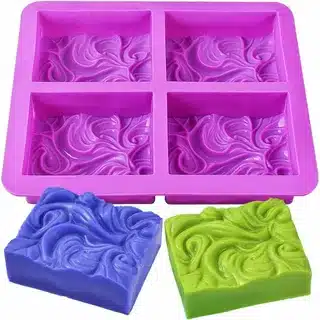
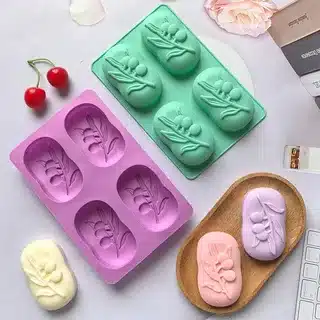
Baking moulds need to be heat resistant and food contact material. For candy, chocolate and gummy molds, precision cavity detail and releaseability are key. Flexibility, shape stability and surface cleanliness are required for soap molds. Depending on the type of resin, clay, plaster or craft material, DIY molds might require more detail accuracy. Ice and beverage molds prioritize easy demolding, high performance in the freezer, and branding opportunities, while promotional molds focus on this visual appeal and opportunity.
custom silicone molds solutions are available for brands that want to bake, produce candy, soap, or even create a line of their own products and can help transform an idea into a mold design that considers function, branding, production and packaging requirements.
| Product Application | Key Requirement | Why It Matters |
| Baking Molds | Heat resistance and food-contact material | Supports oven use and safer food applications |
| Candy & Chocolate Molds | Fine detail and easy release | Helps maintain product shape and surface appearance |
| Soap Molds | Flexibility and shape stability | Improves demolding and finished soap appearance |
| DIY Craft Molds | Detail accuracy and durability | Supports resin, clay, plaster, or craft kit use |
| Ice Cube Trays | Freezer flexibility and easy removal | Improves user experience for beverage products |
| Promotional Molds | Logo clarity and visual appeal | Supports brand recognition and gifting value |

This is a crucial one to get right, from the beginning, to prevent any misaligned hopes and expectations, and to ensure that any time or cost estimates by the manufacturer are realistic.
Step 2: Confirm Shape, Size and Cavity Layout
The early confirmation of shape, size and cavity layout is important as these factors directly influence tooling costs, production efficiency, ease of demoulding, fit for packaging, and overall user experience.
The overall product size affects functionality, tool size, packaging, and the amount of silicone used. The number of cavities affects production efficiency and production per cycle. The depth of the cavity influences the demoulding, cleaning, and product shape. The thickness of the wall will affect the flexibility, durability, cost and feel of the material. Corner radius is advantageous to minimize tearing and it also enhances the release performance. Surface detail is important for logos, patterns, chocolate shapes, soap designs and DIY molds. Retail packaging fit should be thought of in conjunction with product size.
| Design Element | What Buyers Should Consider |
| Overall Size | Affects product function, tooling size, packaging, and silicone usage |
| Cavity Number | Impacts production efficiency and product output per cycle |
| Cavity Depth | Influences demolding, cleaning, and final product shape |
| Wall Thickness | Affects flexibility, durability, cost, and product feel |
| Corner Radius | Helps reduce tearing risk and improves release performance |
| Surface Detail | Important for logos, patterns, chocolate shapes, soap designs, and DIY molds |
| Packaging Fit | Product size should be considered together with retail or ecommerce packaging |
It is the experienced teams who review these at the initial concept stage to be sure that the design is both functional and economically viable to manufacture at scale.
Step 3: Choose the Right Silicone Material
To ensure the product’s performance and conformity, the choice of silicone material should be tailored to the specific application, environment, and market requirements.
Generally food-grade silicone is used for baking, candy, chocolate and ice molds.For soap, candle, resin or homemade products, silicone that is appropriate to the use might focus on flexibility and detail reproduction. Peroxide-cured silicone is used for many general molded products and peroxide cured silicone is often preferred for lower levels of odors or higher quality food contact applications. Silicone suits are suitable for use in the oven at high temperature. Other important factors include hardness, flexibility, colour stability and odor control. Some markets may have specific documentation needs depending on the material selected and testing needs.
| Material Factor | Why It Matters |
| Food-Contact Requirement | Important for baking, candy, chocolate, ice, and kitchenware molds |
| Temperature Range | Determines whether the mold is suitable for oven, freezer, or general use |
| Silicone Hardness | Affects flexibility, support, demolding, and user feel |
| Curing System | May influence odor, appearance, and material performance |
| Color Requirement | Affects brand presentation and batch consistency |
| Target Market | May require specific testing or documentation |
| Product Use Frequency | Helps determine durability and material performance requirements |
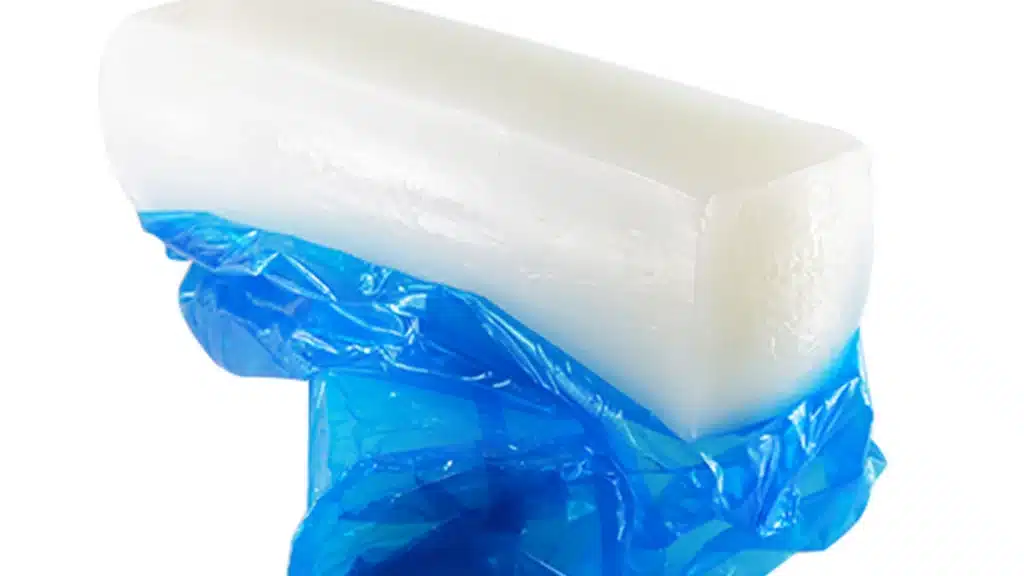
One instance where input from a manufacturer that has had experience with silicone mold manufacturing can help avoid problems down the road is in material selection.
Step 4: Decide Silicone Hardness and Flexibility
The reason for silicone hardness and flexibility is because it impacts on how the mould feels, it holds its shape, it releases products and how it is used over time.
Softer silicone may be easier to demold, but firmer silicone has increased shape support. The right balance between flexibility and durability is key. The effects of hardness vary from baking molds and soap molds to candy molds and homemade molds. Hardness should be confirmed during sampling to assure the product is as hard as buyers require in the field.
| Product Type | Hardness Consideration |
| Baking Molds | Need enough support to hold shape while remaining flexible for release |
| Candy & Chocolate Molds | Usually require good flexibility and fine cavity detail |
| Soap Molds | Need flexible walls for demolding without deformation |
| Ice Cube Trays | Require freezer flexibility and easy twisting or pushing |
| DIY Craft Molds | Hardness depends on material used, such as resin, clay, or plaster |
| Promotional Molds | Should balance user feel, durability, and visual presentation |
The different hardness levels of the samples ensure that buyers are able to determine on which to base their purchase decision for their particular use.
Step 5: Plan Logo, Branding and Surface Details
Early planning of logo, branding and mold detail are critical – branding must be molded in from the start.
They range from embossed logos for raised brand detail to debossed logos for recessed detail to printed logos for cases where surface marking is required. Logo positioning, size, depth, fine pattern detail, surface texture, brand colour match and retail presentation are all factors to consider. The surface texture should complement the appearance but not compromise the cleaning or release.
| Branding Option | Best Use | Buyer Note |
| Embossed Logo | Raised brand detail on the mold surface | Needs enough space and depth for clear visibility |
| Debossed Logo | Recessed brand detail | Often used for subtle branding |
| Printed Logo | Brand color or surface marking | Suitability depends on surface, use, and durability needs |
| Surface Texture | Decorative or functional effect | Should not affect cleaning or release performance |
| Custom Color | Brand identity or product line matching | Pantone or sample-based matching should be confirmed during sampling |
| Retail Packaging | Private-label and ecommerce sales | Should be planned before mass production |
These elements can be combined during design to assure uniformity for each production run.
Step 6: Prepare Drawings, Samples or Reference Images
Accurate feasibility review, quotation, tooling and sampling in custom silicone mold projects which are prepared by drawing, samples or reference images.
Include 2D drawings, 3D CAD, product sketches, existing samples, reference photographs, target dimensions, material and hardness information, logo artwork, packaging concepts, and estimated quantities to be ordered. Improved input information allows manufacturers to quickly assess geometry, tolerances and technical requirements.
| Information to Provide | Why It Helps the Manufacturer |
| 3D CAD File | Allows engineers to evaluate geometry and tooling feasibility |
| 2D Drawing | Defines dimensions, tolerances, cavity details, and technical notes |
| Existing Sample | Helps match feel, size, flexibility, and user experience |
| Reference Images | Communicates design direction when drawings are not available |
| Logo Artwork | Helps evaluate embossing, debossing, printing, or engraving feasibility |
| Color Requirement | Supports material color matching and sample approval |
| Packaging Requirement | Helps estimate total project cost and retail readiness |
| Estimated Quantity | Helps calculate tooling investment, MOQ, and production planning |
Clear documentation eliminates the back-and-forth and helps move the process along.
Step 7: Review Mold Design and Tooling Requirements
Attending a review of mold design and tooling requirements will make sure a product is consistent, efficient in production and stable from a manufacturing standpoint.
Cavity layout, parting line, direction of demoulding, venting, tooling material, and production efficiency are all key factors. The use of multi-cavity tooling can increase production for bulk jobs and mold maintenance can ensure quality for repeat production. First time testing can be done with prototype molds, which is before going into mass production tooling.
| Tooling Factor | Why It Matters |
| Cavity Layout | Affects production output, cost, and product consistency |
| Parting Line | Influences appearance and flash control |
| Demolding Direction | Helps reduce tearing and deformation |
| Venting Design | Reduces trapped air and surface defects |
| Tooling Precision | Supports stable dimensions and repeatability |
| Multi-Cavity Design | Improves production efficiency for bulk orders |
| Mold Maintenance | Helps maintain stable quality during repeat production |
At this point, defects can be minimized and costs controlled by thorough review.
Step 8: Produce Samples and Confirm Details Before Mass Production
One of the most crucial parts of any custom silicone mold project is creating samples and verifying information prior to mass production.
Sample size and cavity check, confirmation of colour, appearance of logo, hardness and flexibility, demoulding test, heat or freezer test (if applicable) and packaging review are all reviewed in the first sample. Adjustments are made based on the buyer feedback and then the final approval is given for mass production.
| Sample Check Item | What to Review |
| Dimensions | Confirm size, cavity depth, and overall fit |
| Appearance | Check color, surface, flash, stains, and finish |
| Hardness | Confirm flexibility and support feel |
| Logo Detail | Review clarity, position, depth, and consistency |
| Demolding | Test whether the product releases smoothly |
| Application Test | Baking, freezing, soap release, or craft use depending on product type |
| Packaging | Confirm retail box, label, insert, or bulk packaging |
| Final Approval | Lock specifications before mass production starts |
Real world testing of samples identifies problems early and guarantees that the product will be satisfactory.
Step 9: Manage Mass Production and Quality Control
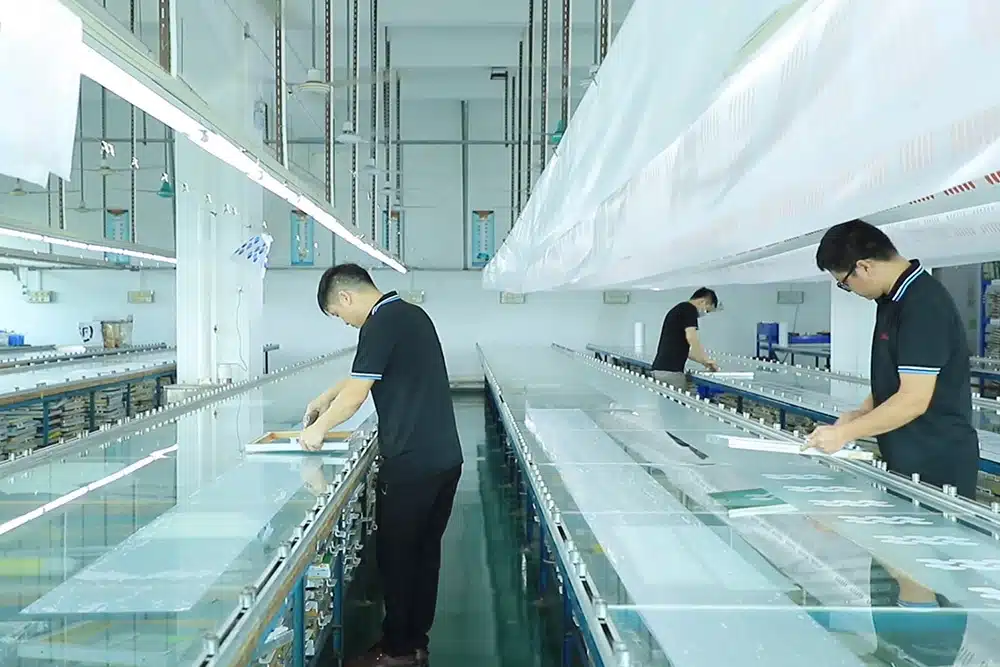
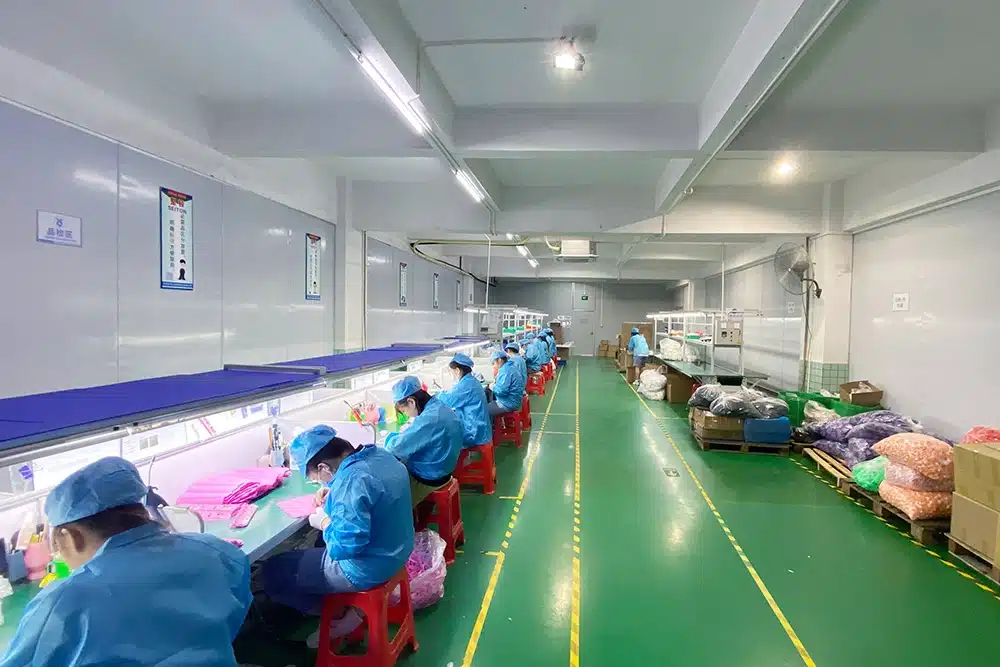
Mass production and quality control is a process used to ensure that each lot is consistent with the approved sample, with stability in the process and inspection.
It refers to the raw material inspection, color consistency check, molding process control, appearance inspection, dimension check, hardness testing, logo and appearance inspection, functional test (if required) and packaging inspection. In-process and final checks are used to ensure that the consistency is maintained in a batch.
| Quality Control Area | What It Helps Prevent |
| Raw Material Inspection | Wrong material, unstable performance, or color issues |
| Process Control | Deformation, incomplete molding, or inconsistent quality |
| Appearance Check | Flash, stains, bubbles, or surface defects |
| Dimension Check | Poor fit, cavity inconsistency, or packaging mismatch |
| Hardness Check | Products that feel too soft, too stiff, or inconsistent |
| Logo Inspection | Unclear, misplaced, or uneven branding |
| Functional Testing | Poor release, weak flexibility, or use-related problems |
| Packaging Inspection | Label errors, poor presentation, or shipment damage risk |
Generally, quality control ensures a consistent level of quality, which helps maintain the reputation of the brand and minimises returns or complaints.
Customization Considerations by Product Category
The various silicone mold categories have different priorities, as a result of which it is important that the buyer is aware of the specific needs of each category, so that he can make an informed decision.
The baking molds emphasize resistance to heat and structure support. The candy and chocolate molds focus on detail in the cavities and on smooth surfaces. This aligns closely with our broader custom silicone kitchenware capabilities for food-safe applications.Decorative detail and flexible release are stressed in soaps. Adjustments in material, hardness and tooling can be made to benefit each type.
| Product Category | Main Customization Focus |
| Baking Molds | Heat resistance, structure support, food-contact material, easy release |
| Candy & Chocolate Molds | Fine cavity detail, smooth surface, consistent shape, food-contact material |
| Soap Molds | Flexible release, decorative detail, wall support, surface finish |
| Candle Molds | Heat tolerance, cavity shape, demolding, decorative effect |
| Ice Cube Trays | Freezer flexibility, easy removal, lid or cover design |
| Popsicle Molds | Handle structure, lid fit, cleaning convenience, user safety |
| DIY Craft Molds | Detail accuracy, tear resistance, compatibility with craft materials |
| Promotional Molds | Logo clarity, brand color, gift packaging, visual appeal |

When the mold can be designed to suit the category, the result is improved functioning of molds and satisfied end-users.
Common Mistakes When Customizing Silicone Molds
By knowing how to avoid common pitfalls when customizing silicone molds, you can save time, money and frustration in your OEM/ODM projects.
Many buyers look at price first, without verifying specifications; many look at price only, or forget to consider wall thickness or demolding requirements — including important factors such as custom silicone mold MOQ.Other challenges include providing too little information about the logo, failing to sample colors, rushing packaging decisions, approving samples without any application testing or only selecting the least expensive tooling option.
| Common Mistake | Better Approach |
| Asking for a price without specifications | Prepare size, material, color, logo, packaging, and quantity details first |
| Choosing material only by cost | Match material to application, temperature, safety, and target market |
| Ignoring wall thickness | Review flexibility, durability, and demolding needs during design |
| Making logo too small | Confirm logo size, depth, and placement during sample review |
| Skipping color sampling | Approve color using physical samples before mass production |
| Delaying packaging decisions | Plan packaging early to avoid size and cost problems |
| Approving samples too quickly | Test real use conditions before final approval |
| Focusing only on tooling cost | Evaluate tooling accuracy, repeatability, and production stability |
These errors help the buyer to better collaborate with any silicone mold manufacturer.
What to Ask a Silicone Mold Manufacturer Before Starting
By asking the right questions, buyers can determine an silicone mold manufacturer’s technical ability more than just the rate at which they provide quotations or the unit price.
The questions they need to consider are, can they support product design review, recommend appropriate silicone material and hardness, cover in-house mold design and tooling, produce samples before mass production, offer different ways to customize logos, match specific colors, have a full quality control, and support retail or private-label packaging, etc. and give them clear lead time. It’s also crucial to know what information they require to obtain an accurate quote.
| Question to Ask | Why It Matters |
| Can you review my product design? | Helps identify manufacturing risks early |
| Which silicone material do you recommend? | Ensures the material fits the application and market |
| Can you make the tooling in-house? | Improves tooling communication and control |
| Can you provide samples? | Allows testing before mass production |
| What logo methods do you support? | Helps plan branding and surface details |
| Can you match specific colors? | Supports brand consistency |
| What inspections are performed? | Reduces quality risk during bulk production |
| Can you support packaging? | Helps prepare retail or ecommerce-ready products |
| What is the lead time? | Supports launch and procurement planning |
These questions enable buyers to have a positive feeling that the partner can provide them with reliable outcomes in the custom silicone mold manufacturing process.
Conclusion — Custom Silicone Mold Projects Start With Clear Requirements
It is easier to customize silicone moulds if the customer sets its requirements early on. Our OEM/ODM silicone manufacturing process supports this from initial design review through to mass production. A good project begins with understanding how the product will be used, what it requires in terms of material, how it will be molded out and how the brand will be reflected in the product and how the product will be packaged and sold. Good design review, material selection, tooling, sampling, production control, and inspection can create silicone molds that are useful and profitable in the baking, candy, soap, DIY, retail and promotional industries.
The basics are the same, from baking to candy making to soap and DIY, begin with the application and test all of the details with samples, and use strict quality control measures throughout the process. Saving time at the beginning lowers the risk of development and results in molds which are likely to meet the requirements of real-life applications.