
Custom silicone mold MOQ is the minimum quantity required for a manufacturer to achieve an efficient manufacturing process for your particular project. This number is not a figment of imagination, but a true cost figure based on setup costs for the mould, material preparation, colour matching, cavity layout, packaging costs, labour, inspection, machine time and more. To the brand owners, importers, Amazon sellers, and private-label teams that are creating molds for candy, soap, ice cube trays, or kitchenware, the MOQ is not the only metric to keep in mind when deciding to invest in mold production, but also the total unit price, the stock risk, and the stability of the source of supply.
There are also ready-made silicon molds which are used for small quantity production due to the fact that the hard tooling is already available. Fully custom OEM silicon moulds require MOQ to help amortize the design, sampling and production set-up. A lower MOQ can minimize the initial risk, but typically increases unit cost. Increased MOQ can help to achieve higher efficiency and cost per piece, but only when it aligns with the sales projections. Always take a look at the custom silicone mold MOQ in the context of the overall project plan and not as a stand alone number. While many buyers are obsessed with the lowest price ever, in reality MOQ is directly related to the minimums of materials purchased, mold setup time, color preparation batches, packaging runs, and even whether or not a batch allows the for consistent, quality output.
Quick Answer: What Affects Custom Silicone Mold MOQ?
For buyers planning baking, candy, soap, ice, beverage, or DIY mold projects, silicone mold MOQ is used to balance between start-up cost, unit price, tooling value, packaging cost, and repeat order planning for buyers who plan to use the mold for baking, candy, soap, ice, beverage or do their own mold projects. The ultimate number is influenced by a number of interrelated factors. The higher the product size or the heavier the silicone, the higher the MOQ.Of course, the more raw material used per cycle, the higher the MOQ will be. The Factory’s set up costs include the complexity of the tool, custom color options, Shore hardness, multi-cavity layouts, branding details and packaging type, all of which are recovered through minimum production runs. The logic behind trial orders is different from repeat order, and your annual forecast might get you more flexible terms later.
Here is a good summarization of the key factors:
| MOQ Factor | How It Affects Minimum Order Quantity |
| Product Size | Larger molds use more silicone, so MOQ may be planned differently |
| Silicone Weight | Higher material usage affects unit price and production planning |
| Material Grade | Food-grade, high-temperature, or specialty silicone may require material MOQ |
| Custom Color | Pantone matching or special pigments may require minimum material preparation |
| Shore Hardness | Specific hardness may require dedicated material preparation |
| Cavity Layout | Multi-cavity molds affect production output and order efficiency |
| Tooling Setup | Custom tooling requires setup time before production starts |
| Logo / Branding | Embossing, printing, or engraving may add setup requirements |
| Packaging Type | Custom boxes, labels, inserts, or retail packaging may have separate MOQs |
| Testing Requirements | FDA, LFGB, or retailer testing may affect sample and production planning |
| Production Efficiency | Very small orders may not cover machine setup, labor, and QC work |
| Repeat Order Plan | Stable repeat orders may allow better long-term MOQ planning |
What Does MOQ Mean in Custom Silicone Mold Manufacturing?
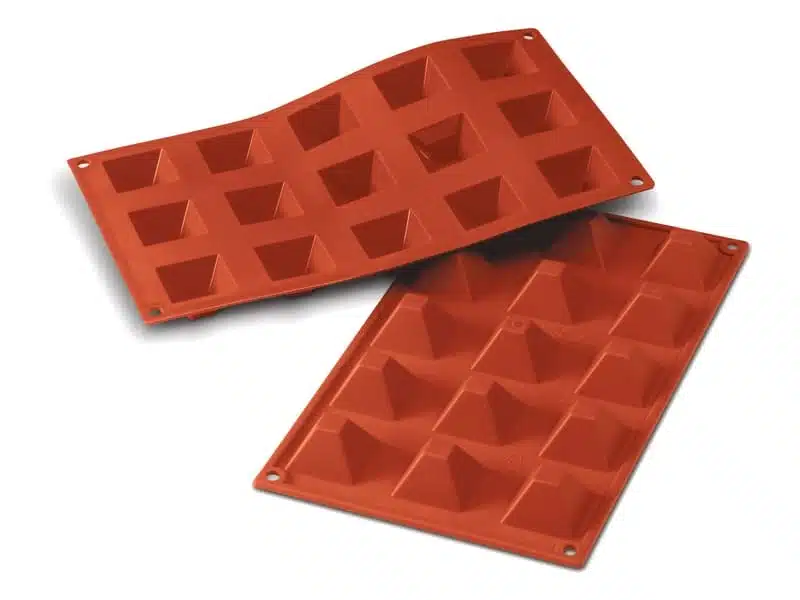
MOQ is a term that refers to the lowest order volume a factory can accept to be profitable without compromising on quality and cost. It can be used for finished products, raw silicone compounds, custom colors, packaging components or even the tooling project itself when it comes to custom silicone mold manufacturing. It is not just a factory whim, it is the real limitation that encompasses mold setup, material batching, color mixing, machine preparation, trimming, inspection and packaging.
Various MOQ types are found in various stages of your project:
| MOQ Type | What It Means for Buyers |
| Product MOQ | Minimum finished product quantity for production |
| Material MOQ | Minimum silicone compound or color material quantity required |
| Color MOQ | Minimum quantity needed for a custom Pantone or special color |
| Packaging MOQ | Minimum order required by packaging suppliers for boxes, labels, or inserts |
| Tooling MOQ | Minimum production quantity expected after custom mold investment |
| Trial Order MOQ | Smaller first order used to test market or product performance |
| Repeat Order MOQ | Standard quantity for future bulk production runs |
Why Ready-Made Molds Usually Have Different MOQ Than Custom OEM Molds
The MOQ logic is completely different when working with existing mold components or making brand new components. The biggest cost of production is the mold, and ready-made molds eliminate that expense, allowing factories to sometimes turn to smaller production runs. Fully custom silicone moulds need to be designed, validated, manufactured, sampled and approved, and this can only be economical for a certain volume.
| Project Type | Typical MOQ Logic | Buyer Consideration |
| Ready-Made Silicone Molds | May allow smaller orders because tooling already exists | Limited customization and product differentiation |
| Existing Mold With Custom Color | MOQ may depend on color material preparation | Good for faster market testing |
| Existing Mold With Custom Packaging | Packaging MOQ may become the main constraint | Useful for private-label sellers |
| Prototype Silicone Mold | MOQ may focus on sample quantity and validation | Not optimized for bulk unit price |
| Fully Custom OEM Mold | MOQ usually reflects tooling, material, setup, and production efficiency | Better for long-term brand products |
| Multi-Cavity Production Mold | MOQ may be higher but supports better bulk efficiency | Suitable for repeat orders and larger volumes |
How Tooling Cost and MOQ Work Together
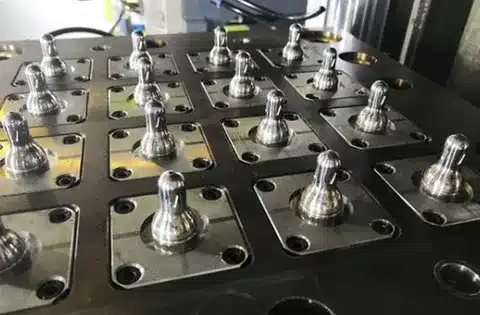
The manufacturing of custom tooling is a considerable investment, and manufacturers expect enough production volume to pay for that investment, by distributing the cost across the units. Prototype tooling can be used for small runs to be validated, and production-grade multi-cavity molds are manufactured for production in higher MOQ and lower unit price in the long term. The smart way to do this is to consider total project economics, such as tooling amortization, sample approval, first bulk order, and repeat runs.
| Tooling / MOQ Factor | Why It Matters |
| Custom Tooling Cost | Needs enough order volume to make the project commercially reasonable |
| Prototype Tooling | Useful for validation but not always suitable for large bulk output |
| Production Tooling | Better for repeat orders and stable mass production |
| Single-Cavity Tooling | May support smaller or more complex projects but lower output |
| Multi-Cavity Tooling | Higher tooling cost but better production efficiency for larger orders |
| Unit Cost | Usually becomes more competitive when order quantity increases |
| Repeat Orders | Help spread tooling investment across a longer product lifecycle |
| Market Testing | Helps buyers avoid overcommitting before product demand is clear |
How Silicone Material and Color Affect MOQ
Silicone compounds and pigments are usually bought in batches and many grades demand minimum order quantities from raw-material suppliers. Planning minimums may also apply to specialty or food-grade or high-temperature formulations. This is an additional layer when using custom Pantone colours as they require pigment mixing and sample approval. Standard colors and hardness levels are faster with smaller MOQ.
| Material / Color Factor | MOQ Impact |
| Standard Silicone Material | May be easier to arrange for smaller production runs |
| Food-Grade Silicone | May require specific material planning and documentation |
| High-Temperature Silicone | May have higher material preparation requirements |
| Custom Shore Hardness | May require dedicated material selection or preparation |
| Standard Color | Usually easier to produce than custom Pantone colors |
| Custom Pantone Color | May require minimum pigment mixing and sample approval |
| Multi-Color Design | Increases setup complexity and production planning |
| Translucent or Special Effect Color | May require more sample confirmation |
| Color Matching for Repeat Orders | Requires approved sample and batch control |

How Packaging Requirements Affect MOQ
Of course, packaging can often also have its own MOQ, as there are printing plates, box dies and label runs that require setup costs. Often packaging is the limiting factor, not the silicone product, when it comes to private-label or retail-ready programs. Simple polybags ensure low MOQ’s, custom colour coded boxes or display packaging increase MOQ’s.
| Packaging Type | MOQ Consideration |
| Bulk Packaging | Usually simpler and more flexible |
| Polybag | Often lower complexity for trial orders |
| Custom Label | May have separate label printing MOQ |
| Barcode / SKU Label | Adds setup and labeling work |
| Color Box | Printed box suppliers often have MOQ requirements |
| Kraft Box | MOQ depends on box structure, printing, and supplier |
| Instruction Card | Printing quantity may affect cost and MOQ |
| Product Insert | Adds material and assembly planning |
| Retail Display Packaging | Usually requires higher development and printing MOQ |
| Ecommerce-Ready Packaging | Needs balance between protection, cost, and packing quantity |
MOQ and Unit Price: Why Lower MOQ May Mean Higher Unit Cost
Reduces MOQ spreads: The per-unit cost of each set-up will increase as the set-up cost will be shared among less MOQs; including machine changeover, material preparation, color mixing, trimming, inspection, and packaging. Medium and large orders are more efficient and will lower the price. Selling on trial orders can be beneficial for testing, but is not always the most profitable unit economics.
| Quantity Situation | Cost Impact | Buyer Decision |
| Very Small Order | Higher unit cost due to setup and labor | Useful for testing but not ideal for long-term cost |
| Trial Order | Reduces inventory risk | Good for market validation |
| Medium Order | Better balance between cost and risk | Often suitable for first bulk order |
| Large Bulk Order | Better production efficiency and unit cost | Suitable when sales demand is clearer |
| Repeat Order | More stable material and production planning | Helps improve long-term supply consistency |
| Too Low MOQ Request | May limit customization or increase price | Buyers should compare total project value |
MOQ for Different Silicone Mold Product Categories
Each product category has its own set of requirements regarding size, detail, material and packaging, all of which can impact MOQ. A fine surface finish on a delicate chocolate mold is different than a heavy-duty baking mold or multi-part popsicle set.
| Product Category | MOQ Factors Buyers Should Consider |
| Baking Molds | Size, food-grade material, wall thickness, packaging, heat-use testing |
| Candy Molds | Small cavity detail, food-contact material, color, retail packaging |
| Chocolate Molds | Surface finish, cavity detail, release performance, food-contact material |
| Soap Molds | Material flexibility, cavity depth, logo detail, packaging style |
| Ice Cube Trays | Freezer flexibility, lid fit, food-contact material, color |
| Beverage Molds | Food-contact use, odor, packaging, lid or accessory assembly |
| Popsicle Molds | Multi-part structure, handles, lids, freezer testing, packaging |
| DIY Craft Molds | Material compatibility, tear resistance, detail accuracy |
| Promotional Molds | Logo, color, seasonal timing, gift packaging |
| Private-Label Sets | Custom packaging, SKU planning, color matching, label MOQ |

Trial Orders vs Bulk Orders: How Buyers Should Plan
Trial orders are an excellent way to test and validate design, collect actual feedback from customers, and determine market interest without needing to go to full production volume. With the data in, you can safely proceed to first bulk order and then repeat runs. The break-even usually occurs when sales volume warrants the reduced per-unit cost of the higher quantity.
| Order Stage | Purpose | Buyer Strategy |
| Prototype / Sample Stage | Validate design, material, color, and function | Do not treat sample price as bulk price |
| Trial Order | Test market demand and customer feedback | Use practical packaging and manageable inventory |
| First Bulk Order | Support launch or initial distribution | Balance MOQ, unit price, and cash flow |
| Repeat Order | Replenish proven products | Improve planning and negotiate based on stable demand |
| Seasonal Order | Support holiday or promotional products | Confirm MOQ and lead time earlier |
| Retail Program Order | Meet retailer quantity and packaging requirements | Align MOQ with packaging and documentation needs |
Can MOQ Be Negotiated?
The MOQ may be adjusted from time to time when buyers make some practical deals. Standard material or color, simple packaging, using the existing mold, placing a trial order first, sharing an annual forecast can all give the factory more flexibility and room to maneuver while not compromising the quality and consistency of the product.
| MOQ Negotiation Option | Possible Trade-Off |
| Use Standard Material | Less customization but easier production planning |
| Choose Standard Color | Reduces color matching and pigment MOQ |
| Use Existing Mold | Lower tooling risk but limited differentiation |
| Simplify Packaging | Lower packaging MOQ but less retail presentation |
| Accept Higher Unit Price | Lower quantity may be possible but unit cost rises |
| Place Trial Order First | Reduces inventory risk but may not get best bulk pricing |
| Provide Annual Forecast | Helps manufacturer plan material and production |
| Combine SKUs Strategically | May help reach material or packaging MOQ |
| Confirm Repeat Order Plan | Can support more flexible project discussion |
What Buyers Should Prepare Before Asking About MOQ
When it comes to quoting the MOQ, the manufacturer can only provide a realistic figure once they have all the details of the project. Avoiding back and forth messages, accurate planning can be done with drawings, preferences for materials, colour, packaging, testing, target quantity and annual forecast.
| Information to Prepare | Why It Helps MOQ Planning |
| Product Application | Determines material, testing, and structure requirements |
| Existing Mold or Custom Tooling | Changes MOQ and tooling planning |
| 3D CAD File / Drawing | Helps estimate product size, tooling, and production efficiency |
| Product Dimensions | Affects material usage, packaging, and production planning |
| Silicone Material | Determines material MOQ and cost |
| Shore Hardness | Helps select proper silicone compound |
| Color Requirement | Custom colors may have pigment or material MOQ |
| Logo Requirement | Branding may add tooling or finishing setup |
| Packaging Style | Custom packaging may have separate MOQ |
| Testing Requirement | FDA, LFGB, or retailer tests may affect production planning |
| First Order Quantity | Helps evaluate whether trial or bulk order logic applies |
| Annual Forecast | Helps plan long-term supply and possible flexibility |
| Launch Timeline | Helps align tooling, sampling, packaging, and production schedule |
Common MOQ Mistakes Buyers Should Avoid
To some extent, even the more veteran sourcing teams can fall into the MOQ trap. The most common mistakes are asking for numbers without including full specification, not looking at the total landed cost if you want the absolute lowest MOQ, not considering the packaging requirements and/or the colour minimum, and not considering repeat orders.
| Common MOQ Mistake | Better Approach |
| Asking MOQ without product details | Share design, material, color, packaging, and quantity needs first |
| Choosing only the lowest MOQ | Compare material, tooling, QC, packaging, and unit price |
| Ignoring higher unit cost | Understand that lower MOQ often means higher unit price |
| Forgetting packaging MOQ | Check box, label, insert, and barcode requirements early |
| Ignoring color MOQ | Confirm Pantone and pigment preparation requirements |
| Not considering tooling cost | Evaluate MOQ together with tooling investment |
| Ordering before sample approval | Approve sample first to avoid bulk quality risk |
| Ordering too much too early | Use trial orders if demand is uncertain |
| No repeat order plan | Forecast demand to improve long-term pricing and planning |
| Comparing different scopes | Make sure suppliers quote the same material, packaging, and QC requirements |
How to Choose a Manufacturer for Bulk Custom Silicone Mold Orders
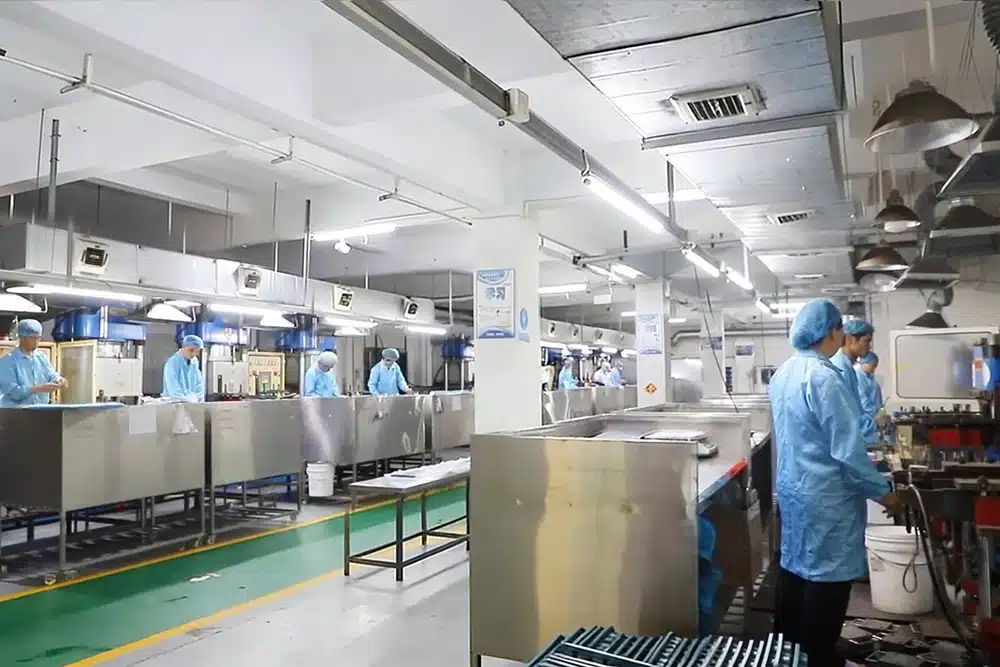
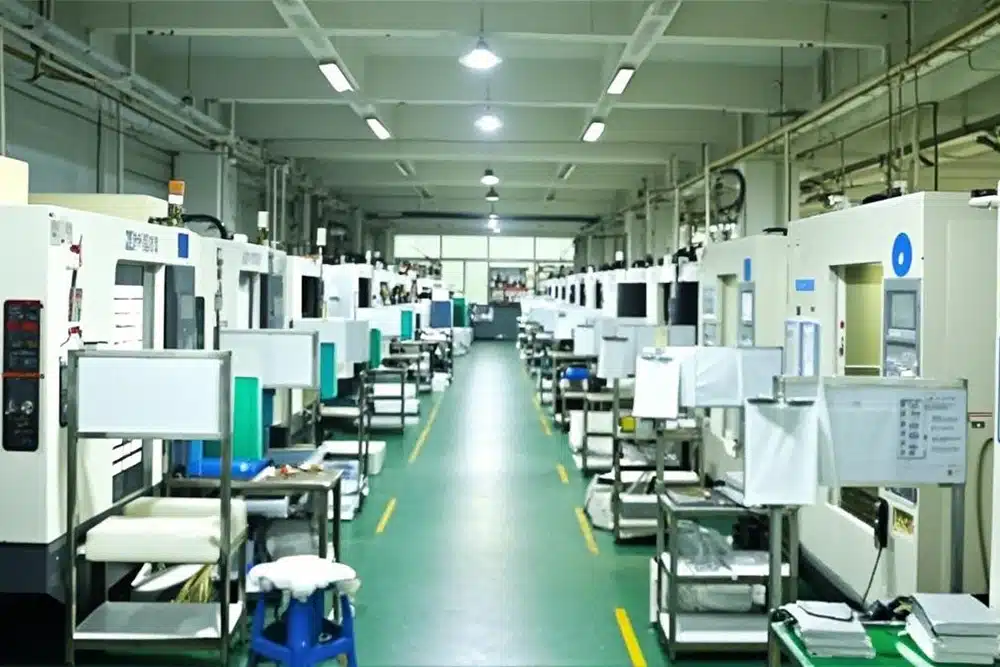
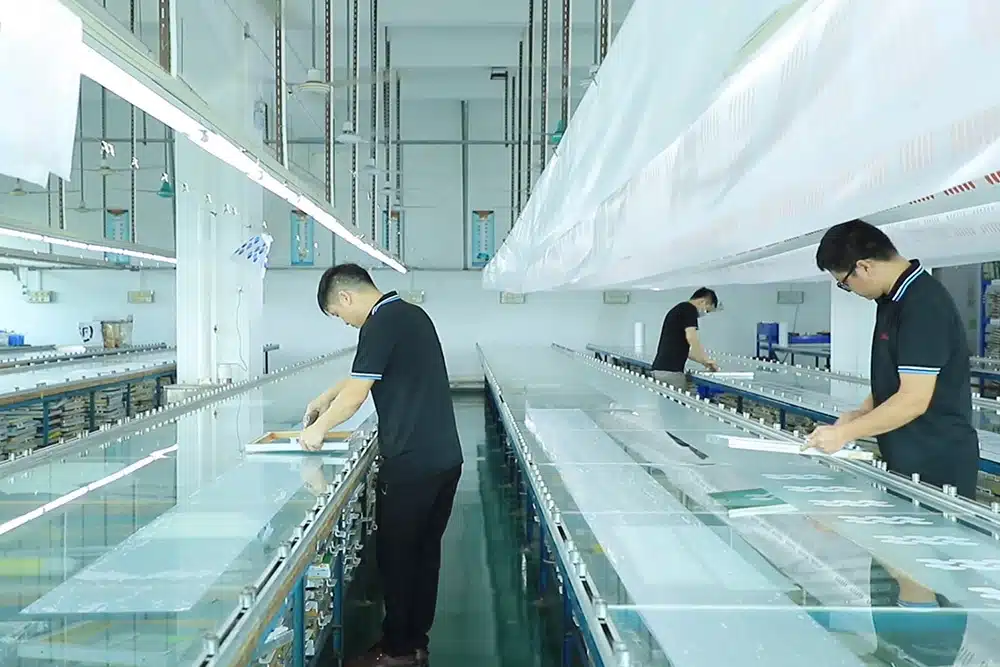
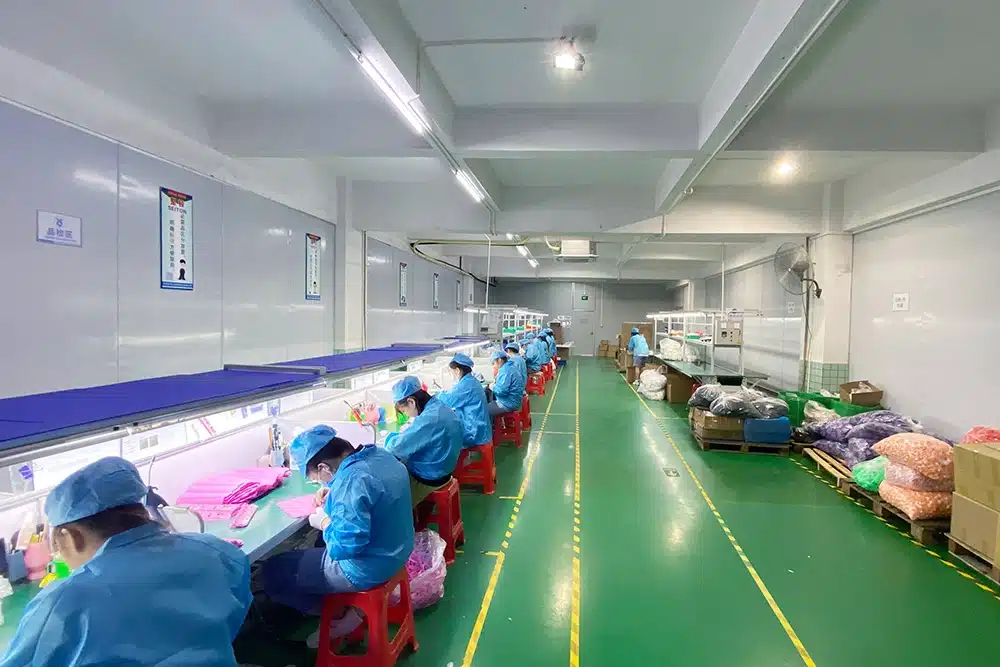
Search for a partner with excellent engineering assistance, a reliable production capacity and an understandable quality system. A good manufacturer should be able to provide in-house product design and structural development, silicone material selection and optimization, recommendations for Shore hardness, molding of in-house molds, compression molding (co-injection if necessary), production of prototypes and samples, surface finishing services including silk screen printing, spray coating, oil finishing, or laser engraving, dust-free production lines for assembly and packaging, raw material inspection, in-process quality control, and final product testing. An export experience and the flexibility in project review further facilitate the transition from trial to repeat bulk supply.
| Manufacturer Capability | Why It Matters for MOQ and Bulk Orders |
| Engineering Review | Helps confirm whether the project fits custom tooling or existing mold options |
| Material Planning | Helps manage material MOQ, hardness, color, and batch consistency |
| In-House Tooling | Supports mold development, sample revision, and long-term repeat orders |
| Production Capacity | Helps meet MOQ, bulk order timing, and repeat supply needs |
| Sample Development | Reduces risk before committing to larger production quantities |
| Quality Control System | Keeps bulk orders consistent across batches |
| Branding Support | Helps manage logo, color, surface finishing, and packaging setup |
| Packaging Capability | Supports retail, ecommerce, or private-label order requirements |
| Export Experience | Supports documentation, communication, and international delivery planning |
| Flexible Project Review | Helps buyers choose between trial order, bulk order, and repeat order plans |
Final Buyer Checklist: Is the MOQ Reasonable for Your Project?
If you’re considering placing a MOQ, take this practical checklist through first. It guarantees that you have the right amount of quantity, design readiness, market plan, budget, and long-term supply.
| Checklist Question | Why It Matters |
| Is the product ready for bulk production? | MOQ should not be confirmed before sample approval |
| Is this an existing mold or new custom tooling? | Tooling status strongly affects MOQ |
| Is the material standard or special? | Material MOQ may affect order quantity |
| Is the color standard or custom Pantone? | Color matching can affect MOQ and cost |
| Is packaging bulk or custom retail packaging? | Packaging MOQ may be separate from product MOQ |
| Is the unit price acceptable at this MOQ? | Low MOQ may increase unit cost |
| Does the MOQ fit your launch plan? | Quantity should match sales channel and inventory strategy |
| Is there a repeat order forecast? | Forecasts help improve long-term production planning |
| Are testing requirements confirmed? | Testing may affect sample quantity and production timing |
| Are QC standards agreed? | MOQ should still support consistent quality inspection |
| Are lead time and cash flow manageable? | MOQ should fit budget and delivery needs |
| Are all quote scopes comparable? | Compare material, tooling, packaging, testing, and QC together |
Conclusion — MOQ Should Match Product Strategy, Not Just Budget
The MOG of custom silicone mold is related to product design, tool investment, material and color selection, packaging demand, production efficiency, testing and inspection and your order quantity. It should be considered in conjunction with unit price, tooling amortization, sample approval, lead time, repeat order possibilities. Lower MOQ may lead to lower inventory risk but higher unit cost or options may be limited. Higher MOQ levels can enhance efficiency and cost – only if it is right for your actual sales plan and cash-flow.
A practical MOQ provides a degree of security for your market strategy, and a level of stability and consistency for the manufacturer to provide you with bulk custom silicone molds. By taking a straightforward approach, specifying your requirements, making realistic predictions and putting the emphasis on the overall cost of the project instead of a single figure, you can pave the way for a seamless, efficient and sustainable supply partnership.