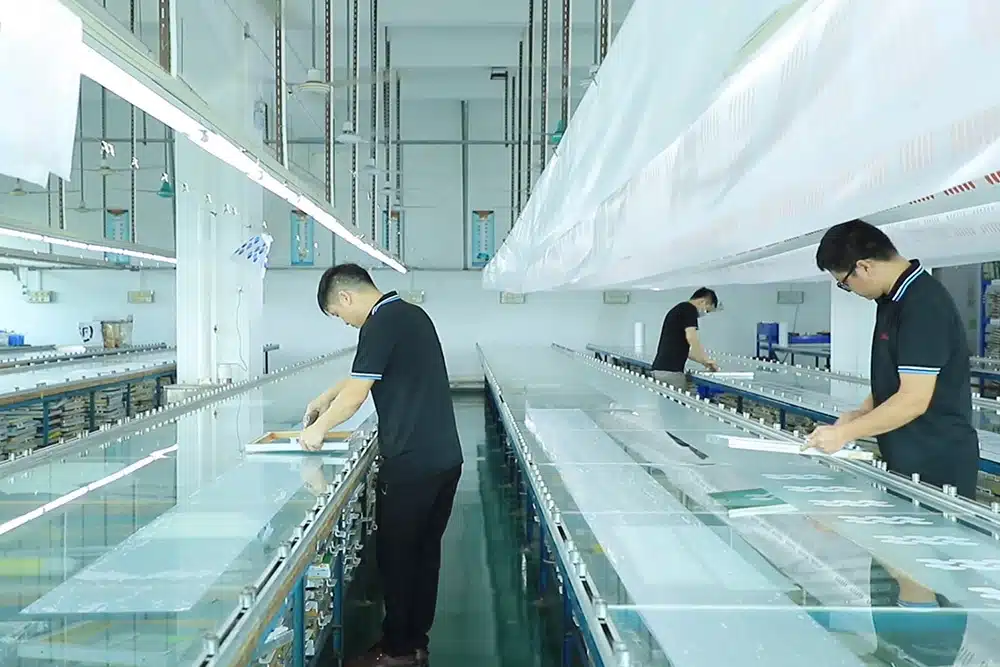

There are so many aspects of the product design, mold tooling complexity, silicone material, size, weight, cavity layout, wall thickness, logo details, color matching, finishing, packaging needs, test and scope of overall quality control etc are all variables that affect the cost of custom silicone mold. Custom silicone mold cost is never a one-time figure, it comprises of different costs that include one-time tooling investment, sample development, per-unit production pricing, packaging, compliance testing (if required), logistics, etc.
Many consumers start by providing just a picture or a concept sketch of what they are looking for and manufacturers require a complete specification of the product, including dimensions, 3D CAD file, material grade, Shore hardness, cavity layout, logo artwork, target quantity, end market specifications, etc., to arrive at an accurate estimate of the custom silicone mold cost. The total project costing, and not the lowest unit price or tooling fee, is the most effective way to prevent any nasty surprises and to ensure the product ultimately performs, looks and is compliant as expected.
Quick Answer: What Affects Custom Silicone Mold Cost?
The most important factors that affect the cost of custom silicone mold are: complexity of tooling, silicone material grade and weight, product geometry (size, wall thickness, cavity layout), branding elements, packaging specifications, testing and documentation requirements, minimal order quantity (MOQ), and production lead time. For buyers planning baking, candy, soap, ice, beverage, or DIY mold projects, custom silicone mold cost helps compare tooling, material, packaging, MOQ, and production quality more accurately before placing a bulk order.
Here’s a quick overview of the main factors:
| Cost Factor | How It Affects Pricing |
| Product Size | Larger molds require more silicone, larger tooling, and bigger packaging |
| Silicone Weight | More material increases unit cost and shipping weight |
| Material Grade | Food-grade, high-temperature, or specialty silicone may affect cost |
| Shore Hardness | Different hardness requirements may affect material selection and testing |
| Wall Thickness | Thicker walls increase silicone usage; thin walls may need design review |
| Cavity Layout | Multi-cavity molds may improve output but increase tooling complexity |
| Tooling Complexity | Complex shapes, deep cavities, and fine details increase mold development cost |
| Logo / Texture | Embossed, debossed, printed, or detailed designs add tooling or finishing cost |
| Color Matching | Pantone matching and multi-color designs may require sampling and process control |
| Packaging | Retail boxes, inserts, labels, and ecommerce packaging affect total cost |
| Testing | FDA, LFGB, or finished product testing can add cost and lead time |
| Order Quantity | Higher quantities may reduce unit price but require stronger production planning |

Main Cost Components in a Custom Silicone Mold Project
The cost of custom silicone mold is not always a simple cost quote, and unless a buyer understands each category on a cost breakdown basis a proposal from a supplier will not be fairly compared. This approach to the project highlights the value and can help avoid the temptation to only consider the lowest quoted price.
| Cost Component | What It Includes | Buyer Note |
| Design Review Cost | Engineering review, drawing check, manufacturability feedback | May be included in project service depending on supplier |
| Tooling Cost | Mold design, mold machining, cavity layout, logo tooling | One-time or project-based cost before production |
| Sample Cost | Material, machine setup, color matching, sample production | Helps verify design before mass production |
| Unit Price | Silicone material, molding, trimming, inspection, labor | Depends heavily on quantity and product complexity |
| Packaging Cost | Polybag, color box, kraft box, label, insert, carton | Should be confirmed before final quote |
| Logo / Finishing Cost | Embossing, debossing, printing, engraving, coating | Depends on branding method and durability needs |
| Testing Cost | FDA, LFGB, material, or finished product testing | Depends on market and buyer requirements |
| Shipping Cost | Carton size, weight, shipping method, destination | Usually quoted separately or after packing details are confirmed |
| Mold Modification Cost | Adjustments after sample feedback | Can be reduced by clear design review before tooling |
How Tooling Cost Is Calculated
The single biggest capital expense of a custom silicone mold project is the tooling cost and it is far more dependent on the complexity of the design than it is on the size of the mold. For repeat orders, the cost of an engineered production mold is well compensated for by the number of cycles it can produce.
| Tooling Cost Factor | Why It Matters |
| Product Geometry | Complex shapes require more mold design and machining work |
| Cavity Depth | Deep cavities may require more careful tooling and release review |
| Number of Cavities | More cavities usually increase tooling complexity and mold size |
| Tooling Precision | Higher accuracy supports better repeatability and product consistency |
| Parting Line Design | Affects flash, trimming workload, and appearance |
| Logo / Texture Detail | Fine details require accurate mold machining |
| Mold Durability | Production molds for repeat orders may require stronger tooling |
| Prototype vs Production Tooling | Prototype tooling is for validation; production tooling is for repeat manufacturing |
| Mold Trial | Testing and adjustment help confirm sample quality before bulk production |
How Product Size, Weight and Wall Thickness Affect Unit Price
The raw material pieces used and the efficiency of molding, trimming and inspection are the major factors to influence the unit price in the custom silicone molding production process. A simple change in wall thickness or in overall dimensions can make a significant change in the amount of material and cycle time.
| Product Design Factor | Pricing Impact |
| Larger Overall Size | Increases mold size, silicone usage, packaging, and shipping weight |
| Higher Silicone Weight | Directly increases material cost |
| Thick Wall Sections | Increase material usage and may affect cycle time |
| Very Thin Walls | May require more careful tooling, handling, and QC |
| Deep Cavities | Can increase demolding difficulty and sample testing needs |
| Complex Geometry | May increase tooling, trimming, and inspection workload |
| Large Flat Areas | May require structure review to prevent deformation |
| Support Rims / Reinforcement | Improve function but add material cost |
| Packaging Size | Larger products increase box and carton cost |
How Silicone Material Choice Affects Cost
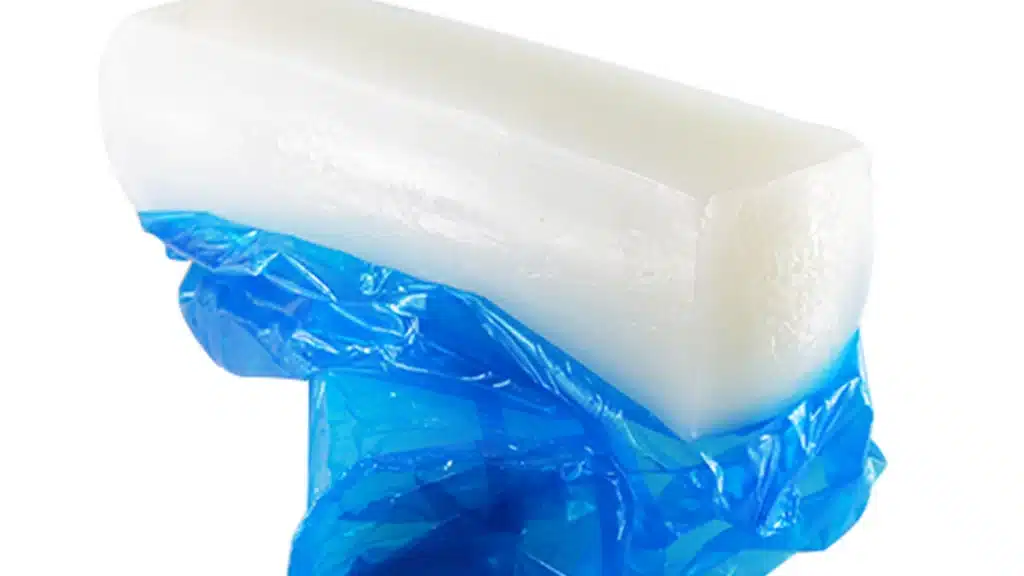
There are different silicone compounds with varying performance characteristics, and the one that’s used depends on how well it performs, how compliant it is, and what its cost is. We assist our clients in choosing and optimizing compounds to meet their specific end use applications without specification.
| Material Choice | Cost Consideration |
| Food-Grade Silicone | May cost more depending on material and testing requirements |
| General Silicone | May be suitable for non-food applications where food-contact testing is not needed |
| Industrial-Grade Silicone | Cost depends on performance needs such as tear resistance or heat resistance |
| Platinum-Cured Silicone | May be preferred for lower odor or higher material expectations |
| Peroxide-Cured Silicone | Common for many general molded silicone products |
| High-Temperature Silicone | May increase cost for demanding heat-related applications |
| Freezer-Use Silicone | Requires flexibility and release performance review |
| Shore Hardness | Affects material selection, user feel, and release performance |
| Pigments / Colorants | Color matching and approved pigments may affect cost |
| Testing Requirement | FDA, LFGB, or retailer tests may increase total project cost |
Cavity Layout, MOQ and Production Efficiency
Both the cost of tooling and the unit economics are affected by cavity layout decisions. Initially, a single-cavity mold is less expensive, and the multi-cavity mold is more attractive when order quantities are high.
| Layout / Quantity Factor | Cost Impact |
| Single-Cavity Mold | Lower layout complexity but slower output for large orders |
| Multi-Cavity Mold | Higher tooling cost but better output for repeat bulk orders |
| Cavity Number | More cavities can improve efficiency when volume supports it |
| MOQ | Custom projects often require MOQ to justify setup and tooling |
| Order Quantity | Higher volume can reduce unit price through better production efficiency |
| Repeat Orders | Tooling cost becomes more reasonable across repeated production |
| Cavity Consistency | Multi-cavity tools require more inspection and tooling precision |
| Low-Volume Trial | May be better suited for prototype tooling or simpler layouts |
| High-Volume Production | May justify multi-cavity production tooling |
Logo, Color and Surface Finishing Cost Factors
Logos, colors, and surface finishes are also features that contribute to the perceived value, but also affect the tooling, sampling, and secondary processing costs. These early decisions will help to ensure budget and visual consistency for retail or private label runs.
| Branding / Finishing Option | Cost Impact |
| Pantone Color Matching | Requires color sampling and approval |
| Multi-Color Design | Increases process complexity and QC needs |
| Embossed Logo | Requires tooling detail review |
| Debossed Logo | Requires mold cavity or surface detail planning |
| Logo Inside Cavity | May increase tooling complexity and release testing |
| Silk Screen Printing | Adds printing process, setup, and durability review |
| Laser Engraving | Adds marking process where suitable |
| Surface Texture | May increase tooling and inspection requirements |
| Spray Coating / Oil Finishing | Adds surface process and quality checks where relevant |
| Private-Label Branding | Requires consistency across product and packaging |
Packaging Cost: Bulk, Retail and Ecommerce Options
Packaging can be a significant land cost for any goods, particularly for private label and ecommerce sellers. When selecting format, it is important to do so early, because it will ensure that the quote will meet the actual shipping and retail presentation requirements.
| Packaging Type | Best For | Cost Consideration |
| Bulk Packaging | Wholesale or B2B distribution | Usually lower cost but less retail presentation |
| Polybag | Simple product protection | Cost-effective for basic packing |
| Color Box | Retail and ecommerce products | Adds printing, design, and box material cost |
| Kraft Box | Natural or gift-style positioning | Cost depends on box structure and printing |
| Label / Barcode | SKU tracking and retail inventory | Adds label printing and application work |
| Instruction Card | Consumer-use products | Adds printing and packing steps |
| Product Insert | Gift sets or organized sets | Adds structure and material cost |
| Ecommerce Packaging | Online sales and shipping protection | Needs protection and presentation balance |
| Export Carton | International shipment | Affects shipping volume and product protection |

Testing, Documentation and Compliance Cost
Some compliance tests and/or documentation can be required depending on the target market and the product application. These requirements are identified in advance so that there is no last minute delay or retesting costs.
| Testing / Documentation Item | When It May Affect Cost |
| FDA-Related Testing | Food-contact products for U.S. market where required |
| LFGB Testing | Germany or EU-related buyers may request it |
| Finished Product Testing | Retailers or importers may require actual molded product reports |
| Color-Specific Testing | Colored silicone products may need additional review |
| Material Declaration | Some buyers require material information before import or retail approval |
| Retailer Testing | Private-label or chain retail programs may have specific requirements |
| Third-Party Lab Testing | Adds testing cost and lead time |
| Retesting | May be needed if material, color, or formulation changes |
Why Quotes From Different Manufacturers Can Vary So Much
The price disparity between suppliers is generally due more to the difference in scope quoted, as opposed to margin. Comparing two brands of the same quote item with different material grades, tooling quality, package, testing, and QC standards can be a significant difference.
| Quote Difference | What Buyers Should Check |
| Material Grade | Are suppliers quoting the same silicone material and hardness? |
| Tooling Scope | Is the mold structure, cavity number, and logo detail the same? |
| Sample Cost | Is sampling included or charged separately? |
| Unit Price | Is the quantity, packaging, and finishing scope the same? |
| Packaging | Are boxes, labels, inserts, and cartons included? |
| Testing | Are FDA, LFGB, or finished product reports included if needed? |
| QC Standard | What inspection items are included before shipment? |
| Lead Time | Is the timeline realistic for tooling, sampling, and production? |
| Revision Policy | What happens if samples need adjustment? |
| Export Support | Are documentation and communication included? |
How to Reduce Custom Silicone Mold Cost Without Sacrificing Quality
Smart cost control is not just about picking the lowest possible cost material or doing the job with the fewest steps – it’s about accurate communication, optimal design, and realistic specifications. Veteran manufacturers may be able to recommend some sensible changes that will keep costs low and performance as it is.
| Cost Optimization Method | Why It Helps |
| Simplify Unnecessary Details | Reduces tooling complexity and defect risk |
| Optimize Wall Thickness | Controls material usage while maintaining function |
| Choose Practical Cavity Layout | Balances tooling cost and production efficiency |
| Match Material to Actual Use | Avoids paying for unnecessary specifications |
| Confirm Testing Needs Early | Prevents delays and unexpected lab costs |
| Standardize Packaging | Reduces custom packaging development cost |
| Approve Color Early | Avoids repeated color sampling |
| Plan Repeat Orders | Spreads tooling cost across larger volume |
| Provide Complete Drawings | Improves quote accuracy and reduces revisions |
| Avoid Late Design Changes | Prevents tooling modification cost |
What Information Buyers Should Provide for an Accurate Quote
The more complete the project brief, the more likely that the quotation will be accurate and competitive. Providing the correct information first will remove guesswork and multiple passes at revisions.
| Information to Provide | Why It Helps Pricing |
| Product Application | Determines material, hardness, testing, and structure needs |
| 3D CAD File | Helps evaluate geometry and tooling cost |
| 2D Drawing | Defines dimensions, tolerances, and critical features |
| Product Dimensions | Helps estimate mold size, silicone usage, and packaging |
| Wall Thickness | Affects material weight and structural review |
| Cavity Layout | Determines tooling complexity and output efficiency |
| Material Requirement | Affects unit cost and testing needs |
| Shore Hardness | Helps select suitable silicone compound |
| Color Requirement | Supports pigment and sampling cost estimation |
| Logo Artwork | Helps calculate tooling or finishing cost |
| Packaging Style | Affects retail cost and shipping volume |
| Testing Requirement | Helps include FDA, LFGB, or other testing costs |
| Order Quantity | Helps calculate unit price and MOQ |
| Annual Forecast | Helps evaluate tooling value and long-term cost |
| Shipping Destination | Helps estimate logistics and export requirements |
How to Choose a Manufacturer Based on Value, Not Only Price
A good silicone mold manufacturer should be able to provide good engineering support, possess in-house tooling capability, material knowledge and have clear quality management systems. We offer you product development and structure optimization, selection and optimization of silicone materials, mould design and mould manufacture, prototype and sample production, compression molding, surface finishing (silk screen printing, spray coating, oil finishing, laser engraving), dustfree assembly and packing lines at HT Silicone. These features enable businesses to manage costs and ensure uniformity and quality in the results they produce.
| Manufacturer Capability | Why It Affects Real Project Value |
| Engineering Review | Helps avoid costly design and tooling mistakes |
| Material Selection Support | Helps match silicone grade and hardness to actual use |
| In-House Tooling | Improves control over mold cost, timing, and revisions |
| Sample Development | Allows buyers to verify quality before bulk production |
| Production Capability | Supports stable unit cost and delivery planning |
| Quality Control System | Reduces defect risk and hidden replacement costs |
| Branding Support | Helps control logo, color, and finishing quality |
| Packaging Capability | Supports retail-ready or ecommerce-ready product planning |
| Testing Awareness | Helps buyers plan food-contact or retailer documentation |
| Export Experience | Supports communication, documentation, and international delivery |
Final Buyer Checklist: Are You Comparing Quotes Correctly?
The best way to choose a supplier is to use this practical checklist before you pick an offer. If you get the same response from every category, it’s likely that you are dealing with a partner who is the most reliable and cost-effective in the long term.
| Quote Comparison Question | Why It Matters |
| Are all suppliers quoting the same material grade? | Material differences can change cost and performance |
| Is the Shore hardness the same? | Hardness affects feel, release, and material choice |
| Is the cavity layout identical? | Cavity number affects tooling and unit price |
| Is tooling quality and mold lifespan clear? | Cheaper tooling may not support repeat orders |
| Are samples included? | Sample cost affects total project budget |
| Is packaging included? | Retail packaging can significantly affect cost |
| Are logo and finishing costs included? | Branding may require tooling or extra processes |
| Are testing costs included if required? | FDA, LFGB, or retailer tests may add cost |
| Is QC scope defined? | Inspection reduces hidden defect risk |
| Is lead time realistic? | Fast quotes may not include full tooling and testing time |
| Are revision terms clear? | Design changes can create extra cost |
| Are shipping terms clear? | Logistics cost may change total landed cost |
Conclusion — Custom Silicone Mold Cost Depends on the Full Project Scope
The customized silicone mold cost is not fixed, due to various design, material, tooling, packaging, testing, quantity requirements. Buyers can better inform themselves when deciding on the sourcing by making a comparison in terms of the entire project scope and not just the unit price. Product size, CAD files, material needs, cavity design, logo requirements, packaging, target market and order quantity are all factors that can be clearly understood, thereby giving manufacturers the chance to give a more precise quotation and help cut down on unnecessary expense before the production.
We are committed to clear collaboration: looking at your designs, proposing material and tooling options, and providing dependable OEM/ODM assistance, your custom silicone molds are sure to meet your expectations and remain within budget throughout the mold’s lifetime.