
Selecting the proper silicone materials for freezer, oven and dishwasher-proof shapes begins with knowing the specific conditions your product will encounter in everyday use. The buyer must match the silicone compound, curing system, pigments, hardness, wall thickness and overall geometry to real temperature ranges, requirements for food contact, cleaning cycles and usage patterns. This hands-on approach avoids warping, smell problems or early failure and yields molds that function predictably for end users.
A freezer-, oven-, or dishwasher-safe silicone mold should be evaluated as a complete material and design system and not a silicon grade label. Food-grade silicone is often thought of as being suitable for all applications. In reality, the product does not end up as intended unless it is formulated correctly, contains the proper pigments, has the required hardness, wall thickness, exposure time, temperature cycling, odor, surface design and meets the testing requirements.
Quick Answer: How Should Buyers Choose Silicone Materials?
When choosing silicone models for freezing, dishwashing and the oven, it is important to choose those that have been tested in the real world, not just declared as dishwasher and oven safe. Molds for use in freezers must have high low-temperature flexibility, shape recovery and easy release. Oven-safe molds should be heat resistant, food-contact safe, have structural strength and have little to no post-heating smell. Materials used for dishwasher molds should be able to withstand the hot water, detergent and mechanical forces multiple times without distortion or changes to the surface. Support all claims with sample testing before engaging in mass production or making claims on pack or list.
For baking and kitchenware brands, oven safe silicone molds should be developed with suitable food-contact silicone, heat performance evaluation, wall thickness control and sample testing prior to the start of the bulk production.
| Use Condition | Main Material Requirement | Buyer Review Point |
| Freezer-Safe Molds | Low-temperature flexibility and shape recovery | Test release after freezing |
| Oven-Safe Molds | Heat-resistant food-contact silicone where applicable | Confirm working temperature and exposure time |
| Dishwasher-Safe Molds | Hot-water, detergent, and repeated-cycle durability | Test cleaning cycles and deformation risk |
| Freezer-to-Oven Use | Temperature cycling resistance | Review material and structure together |
| Food-Contact Use | Suitable food-contact silicone material | Confirm FDA, LFGB, or retailer requirements if needed |
| Colored Silicone Molds | Pigment suitability for intended use | Review colorants and sample performance |
| Large or Deep Molds | Support and wall thickness control | Confirm hardness and structure before tooling |
| Retail Products | Reliable documentation and realistic claims | Avoid unsupported packaging statements |
What Does Freezer-Safe Mean for Silicone Molds?
The term freezer-safe indicates more than just ‘surviving the freezer’, it focuses on flexibility, ease of removal of the frozen contents and shape recovery to make it easy for the user to remove frozen contents without frustration and damage to the mold.
| Freezer-Safe Factor | Why It Matters |
| Low-Temperature Flexibility | Allows users to bend or push the mold after freezing |
| Shape Recovery | Helps the mold return to its original shape after release |
| Release Performance | Important for ice cubes, popsicles, frozen desserts, and beverage molds |
| Cavity Depth | Deep cavities may make frozen products harder to remove |
| Bottom Push Design | Improves user experience for ice trays and frozen products |
| Wall Thickness | Affects flexibility and support during freezing and release |
| Shore Hardness | Should balance easy release with stable handling |
| Odor Control | Important for food, beverage, and freezer storage products |
| Freezer Testing | Confirms real performance before mass production |
When it comes to creating ice cube trays and popsicle moulds, the most effective approach is to examine the cavity design along with the hardness of the moulds side-by-side, which is what we do when assisting brands with their designs. Moulds that are stiff at room temperature can become very brittle in the freezer, yet a mould that is soft at room temperature may not set when filling. Always testing the prototypes directly out of the freezer gives the true picture.
What Does Oven-Safe Mean for Silicone Molds?
Just one temperature rating is not enough for oven-safe performance. It encompasses the behavior of the material and structure in real use under heat, withstanding exposure times and during repeated use, and ensuring food contact safety and shape stability.
| Oven-Safe Factor | Why It Matters |
| Working Temperature | Defines the normal heat condition the mold must tolerate |
| Peak Temperature | Helps evaluate occasional higher heat exposure |
| Exposure Time | Long baking cycles may be more demanding than short contact |
| Food-Contact Material | Important for baking, candy, and kitchenware products |
| Wall Thickness | Affects shape support, flexibility, and material use |
| Support Rim | Helps larger molds maintain structure during baking |
| Odor After Heating | Important for food-contact products and customer acceptance |
| Pigment Stability | Colorants should be reviewed under heat-use conditions |
| Repeated Heat Cycles | Helps evaluate long-term durability |
| Oven Testing | Confirms performance under intended use conditions |
For large cake or muffin molds, we suggest checking thickness of the wall and the strength of the rim at an early stage. Thin edge can sag due to heat, and very thick parts can keep heat from flowing evenly. The best way to be sure is to test your recipe in your oven, using the exact type of oven you intend to use.
What Does Dishwasher-Safe Mean for Silicone Molds?
Dishwasher-safe use means more than heat resistance; it means repeated exposure to hot water, detergents, mechanical moving, and drying cycles that can impact surface quality, color, and shape over time.
| Dishwasher-Safe Factor | Why It Matters |
| Hot Water Exposure | Tests whether the mold maintains shape and flexibility |
| Detergent Contact | May affect surface feel, odor, or long-term appearance |
| Repeated Cycles | One cleaning test may not represent long-term use |
| Drying Heat | Can affect softer or thinner silicone structures |
| Surface Texture | Deep texture may trap residue or be harder to clean |
| Cavity Depth | Deep cavities may require better cleaning design |
| Color Stability | Important for retail products and brand consistency |
| Deformation Risk | Soft or thin molds may bend under repeated cleaning |
| User Instructions | Retail products should provide realistic care guidance |
| Dishwasher Testing | Supports product claims and sample approval |
More than many buyers realize, surface texture and cavity design have more of an impact. Patterns that are deep or complicated may catch detergent residue which can cause odors or stains from multiple detergent washers. Full dishwasher runs are always done on prototypes as recommended.
Food-Grade Silicone for Freezer, Oven and Dishwasher Use
Although food-grade silicone is critical to all molds that come into contact with food, drinks, ice, and ingredients, it still needs to be tested separately for freezer, oven and dishwasher use.
| Food-Grade Material Factor | Buyer Consideration |
| Food-Contact Use | Required for molds that contact food, drinks, ice, or ingredients |
| FDA-Related Requirements | May apply for U.S. food-contact products depending on buyer needs |
| LFGB-Related Requirements | May be requested by Germany or EU-related buyers |
| Finished Product Testing | May be needed for importers, retailers, or private-label brands |
| Pigments and Colorants | Should match food-contact and temperature-use requirements |
| Curing System | May affect odor, appearance, and performance expectations |
| Odor Review | Important after heating, freezing, or packaging |
| Target Market | Helps determine testing and documentation needs |
| Application Fit | Food-grade material still needs freezer, oven, or dishwasher performance review |
Not all uses are created equal and some food products referred to as food grade may not be suitable for all applications. The full formulation, including pigments and curing agents is discussed and tested with the buyer’s own temperature and cleaning requirements.
Silicone Grade, Curing System and Pigments
There’s more to material selection than just “silicone.” Flexibility, odor, color stability and durability are all affected by the base compound, curing process, and pigments used.
| Material Element | Why It Affects Performance |
| Silicone Compound | Determines base flexibility, durability, and application suitability |
| Food-Grade Material | Needed for food-contact freezer, oven, or kitchenware products |
| Curing System | May affect odor, surface feel, and performance expectations |
| High-Temperature Silicone | May be needed for demanding heat-related applications |
| Pigments | Must be reviewed for intended use, color stability, and testing needs |
| Color Masterbatch | Affects color consistency across production batches |
| Odor Control | Important for food, beverage, and kitchenware products |
| Material Documentation | Helps support buyer, retailer, or importer review |
| Sample Testing | Confirms performance before mass production |
There are two types of curing (platinum or peroxide) that each have their own advantages for different uses. We help our clients narrow down the field based on side-by-side evaluations of different systems based on their odor, flexibility and cost requirements.
How Wall Thickness, Hardness and Geometry Affect Material Choice
Material performance is never isolated from product structure. Wall thickness, shore hardness, cavity depth, and overall geometry work together with the silicone compound to determine real-world success.
| Design Factor | Material Selection Impact |
| Wall Thickness | Affects flexibility, support, heat response, and material use |
| Shore Hardness | Balances release performance and shape stability |
| Cavity Depth | Influences freezer release, cleaning, and demolding |
| Product Size | Larger molds may need stronger structure or firmer material |
| Support Rim | Helps oven and filled-use stability |
| Bottom Push Design | Important for freezer release and ice cube trays |
| Thin Edges | May require better tear resistance or design adjustment |
| Complex Geometry | Needs material and tooling review before production |
| Surface Texture | Affects cleaning, release, and dishwasher performance |
| Packaging Fit | Soft or thin molds may deform if not packed correctly |
Frequently, during the design process, the hardness of the shore is modified or strategic support ribs added to resolve flexibility/stability compromises.
Material Selection by Product Type
Each category of mold puts different emphasis on silicone material and a one size fits all approach is seldom applicable.
| Product Type | Main Material Priority | Key Test Before Mass Production |
| Baking Molds | Heat resistance, food-contact suitability, shape support | Oven test, odor review, release test |
| Cake / Muffin Molds | Wall support, heat performance, flexibility | Filled-use test and baking simulation |
| Candy Molds | Food-contact material, fine detail, release | Warm-contact and demolding test |
| Chocolate Molds | Smooth surface, odor control, release | Surface and release test |
| Gummy Molds | Flexible release, small cavity accuracy | Release and cleaning test |
| Ice Cube Trays | Freezer flexibility, push-out release, odor control | Freezer release test |
| Popsicle Molds | Freezer performance, lid or handle fit | Freezer and accessory fit test |
| Beverage Molds | Food-contact material, freezer flexibility, packaging | Odor and release test |
| Kitchenware Molds | Food-contact material, heat and cleaning durability | Heat and dishwasher-cycle review |
| DIY Molds | Tear resistance and material compatibility | Application-specific release test |
Testing Silicone Materials Before Mass Production
A buyer must approve materials on the basis of their actual performance in the material, and not just on the datasheet or supplier statement.
| Test Item | What It Confirms |
| Freezer Test | Low-temperature flexibility, release, and shape recovery |
| Oven Test | Heat performance, support, odor, and surface stability |
| Dishwasher-Cycle Test | Cleaning durability, deformation risk, and surface quality |
| Odor Review | Whether the product is acceptable for intended use |
| Color Comparison | Whether color remains close to approved sample |
| Shore Hardness Test | Whether flexibility and support match requirements |
| Dimensional Check | Whether the mold maintains key dimensions |
| Release Test | Whether food, ice, candy, or other products release smoothly |
| Surface Inspection | Whether texture, stickiness, stains, or defects appear |
| Packaging Test | Whether the mold deforms or changes during packing |
| Food-Contact Testing | Confirms documentation needs when required by market or retailer |
What Buyers Should Prepare Before Requesting Material Advice
When manufacturers are given clear information about the intended use of the product and its needs, they can make much more accurate recommendations for silicone.
| Information to Prepare | Why It Helps |
| Product Application | Determines material and performance priorities |
| Freezer / Oven / Dishwasher Use | Helps identify required testing conditions |
| Working Temperature | Supports heat-resistant material selection |
| Low-Temperature Condition | Supports freezer flexibility review |
| Exposure Time | Helps evaluate long-term performance risk |
| Cleaning Method | Determines dishwasher or hand-wash durability needs |
| Food-Contact Status | Helps define material and documentation requirements |
| Target Market | Affects FDA, LFGB, or retailer expectations |
| Product Dimensions | Helps estimate material use and structure needs |
| Wall Thickness | Affects flexibility, heat response, and durability |
| Cavity Depth | Affects release and cleaning performance |
| Hardness Preference | Helps balance support and demolding |
| Color Requirement | Helps review pigment suitability |
| Packaging Style | Helps prevent deformation and support retail presentation |
| Retail Claims Needed | Helps avoid unsupported freezer/oven/dishwasher statements |
Common Mistakes When Choosing Silicone Materials
Even seasoned sourcing teams tend to miss out on specifics that cause issues in downstream.
| Common Mistake | Better Approach |
| Assuming food-grade means all-use safe | Review freezer, oven, and dishwasher conditions separately |
| Assuming all silicone is dishwasher safe | Test repeated hot-water and detergent exposure |
| Ignoring freezer flexibility | Test release and bending after freezing |
| Ignoring exposure time | Confirm both temperature and duration |
| Ignoring pigments | Review colorants for intended application and testing needs |
| Not checking odor after heating | Include odor review during sample approval |
| Choosing only by price | Compare material, testing, QC, and performance scope |
| Ignoring wall thickness and geometry | Review design and material together |
| Making unsupported retail claims | Support claims with material data or testing |
| Delaying testing until after production | Confirm testing before bulk manufacturing starts |
| Comparing incomplete quotes | Confirm silicone grade, hardness, testing, packaging, and QC scope |
How a Manufacturer Supports Freezer, Oven and Dishwasher-Safe Mold Projects
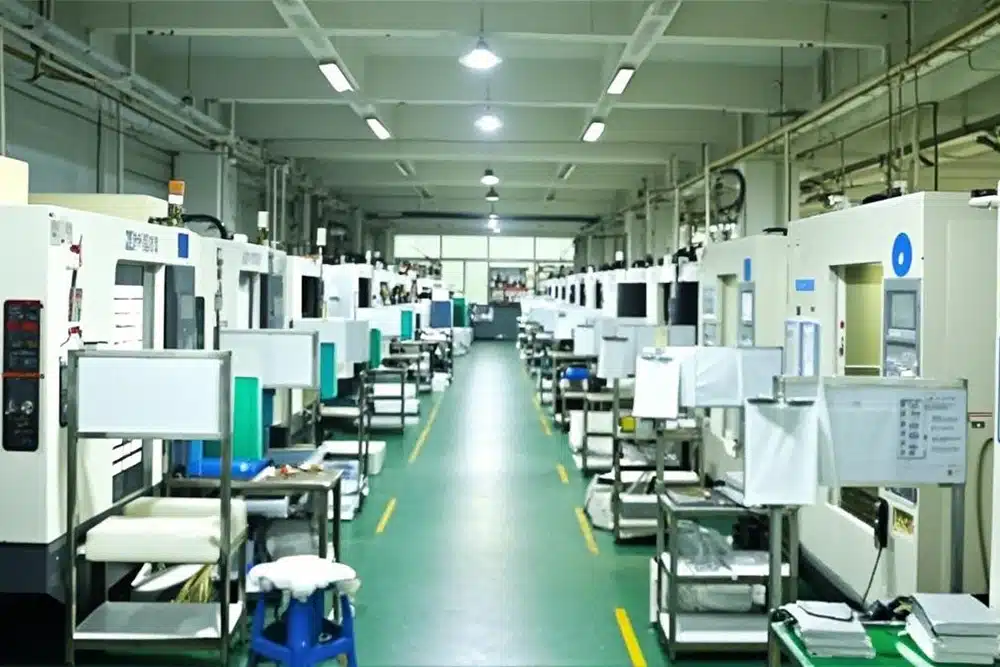
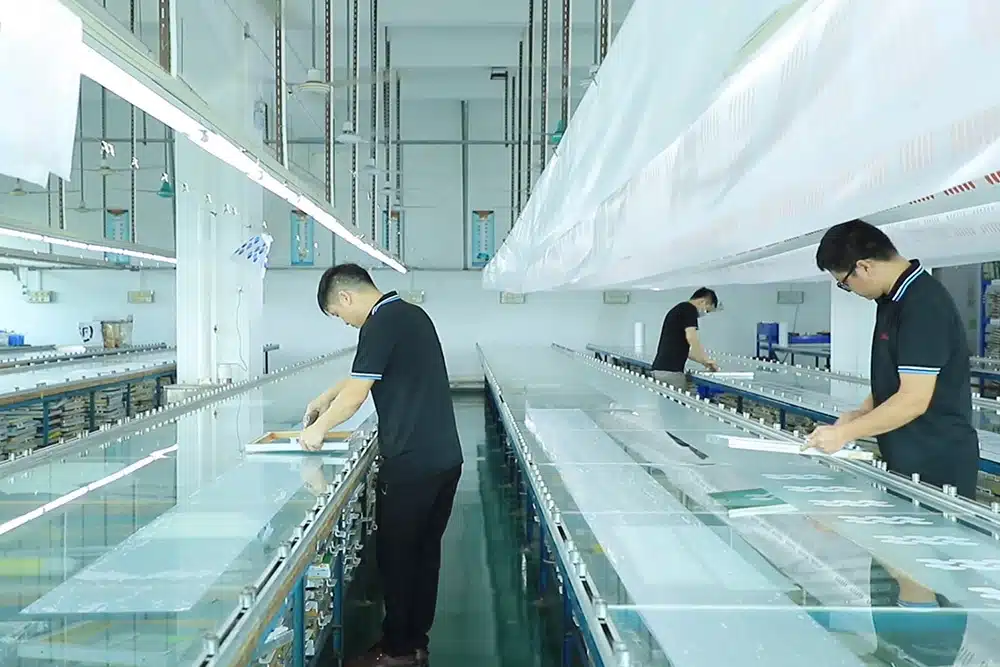
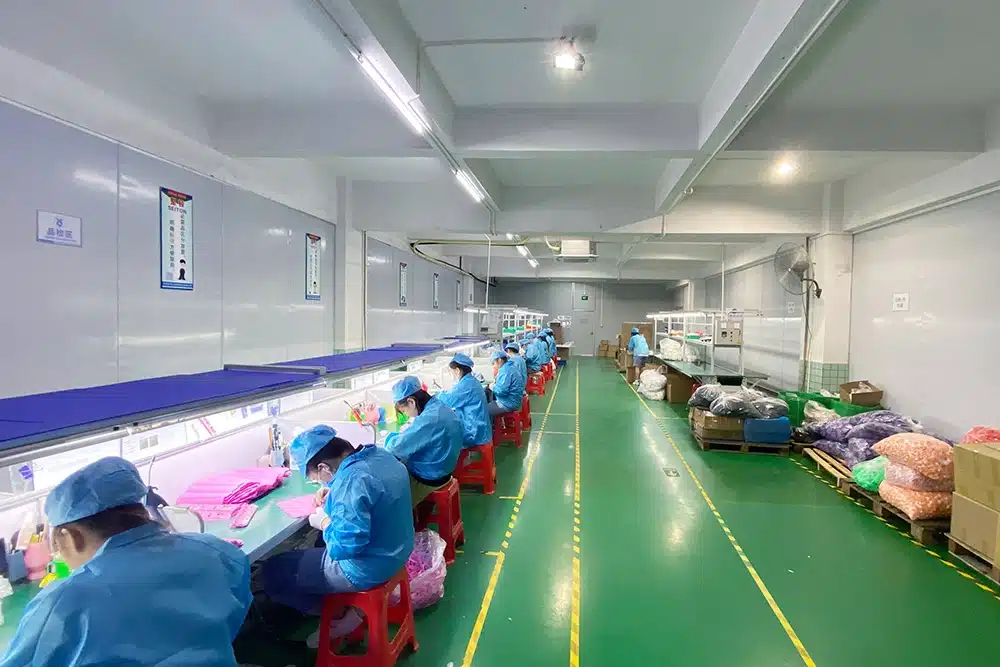
A qualified manufacturer acts as a partner who reviews material options, product structure, testing protocols, tooling, and quality control together with the buyer before production begins. At Dongguan HT Silicone & Rubber Co., Ltd., our experienced team provides material selection and optimization support, food-grade and application-specific silicone review, shore hardness recommendations, product design and structural development assistance, wall thickness and cavity structure evaluation, in-house mold manufacturing, prototype and sample production, compression molding capabilities, raw material inspection, in-process quality control, final product testing, and dust-free assembly and packaging. These capabilities help ensure stable results across freezer, oven, and dishwasher applications.
| Manufacturer Capability | Why It Matters |
| Material Selection Support | Helps match silicone grade to freezer, oven, dishwasher, or food-contact use |
| Food-Contact Knowledge | Supports baking, ice, beverage, and kitchenware material review |
| Design Review | Ensures wall thickness, cavity depth, and geometry fit the application |
| Hardness Recommendation | Balances flexibility, support, release, and durability |
| In-House Tooling | Improves control over mold accuracy and sample revisions |
| Sample Development | Allows freezer, oven, dishwasher, odor, color, and release testing |
| Process Control | Helps maintain stable curing and batch consistency |
| Quality Inspection | Checks dimensions, hardness, appearance, and function |
| Clean Packaging | Supports better handling for consumer and food-related products |
| Export Experience | Supports communication, documentation, and international shipment planning |
Final Buyer Checklist for Material Selection
Before approving tooling or mass production, run through this checklist to confirm all key factors have been addressed.
| Checklist Question | Why It Matters |
| Will the mold be used in a freezer? | Confirms low-temperature flexibility and release requirements |
| Will the mold be used in an oven? | Confirms heat resistance and food-contact material needs |
| Will the mold be cleaned in a dishwasher? | Confirms hot-water, detergent, and repeated-cycle durability |
| What is the working temperature range? | Helps select suitable silicone material |
| What is the exposure time? | Long exposure may require stronger performance review |
| Is the product food-contact? | Determines material and testing direction |
| Which market will the product be sold in? | Affects FDA, LFGB, or retailer documentation |
| What hardness is required? | Affects flexibility, support, and demolding |
| Is the wall thickness suitable? | Structure affects material performance |
| Are pigments suitable for the intended use? | Important for colored silicone molds |
| Has odor been reviewed after heating or packaging? | Important for food and retail products |
| Has real-use testing been completed? | Confirms freezer, oven, or dishwasher performance |
| Are product claims supported? | Prevents unsupported packaging or listing statements |
Conclusion — Material Selection Must Match Real Use Conditions
When it comes to the materials option for freezer, oven and dishwasher-safe molds, it is essential to consider how they will be used. Different material and design priorities may be required for a baking mold, ice cube tray, popsicle mold, or chocolate mold, or even for a product that is destined for use in a dishwasher. Buyers will be more confident in the silicone mold products when confirming the temperature range, exposure time, food-contact requirements, hardness, wall thickness, cavity design and real-use tests before mass production, thereby lowering the risk of development. Collaborating with a manufacturer with experience in these details ensures that ideas are realized into effective, market-ready products that satisfy both practical and commercial requirements.