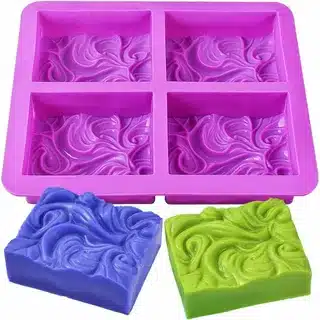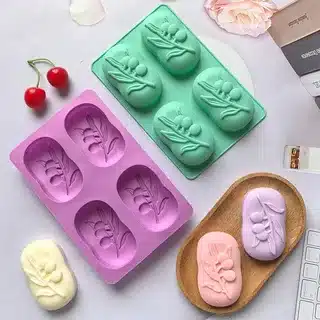

Can silicone molds be used for baking, candy and food contact products? They can be suitable if manufactured using the right silicone for food contact and carefully controlled manufacturing processes. Material grade, curing system, pigments, temperature range, odor performance, finished product testing, production cleanliness and quality control are all factors related to safety. Just because a silicone mold is labeled “silicone” doesn’t mean it is necessarily food-safe.
Safety of silicon moulds is not solely based on silicone, but also on the choice of silicon, formulation of the silicon, the use of colourants, the curing process, production control, testing, packaging and the end use of the product. A lot of consumers think silicone is safe for food use since silicone is used in so many kitchen products. In practice, general and/or industrial silicone, some pigments, additives or un-controlled production processes may not meet all food contact standards. Safety for food-contact should be thought of before, not after, tooling and mass production.
Quick Answer: Are Silicone Molds Safe for Food Contact?
If the food contact safety of a silicone mold is confirmed prior to use, then it may be used for food contact applications. The food-contact products are such as baking molds, candy molds, chocolate molds, gummy molds, ice cube molds, popsicle molds, beverage molds, and kitchenware molds. Purchasing instructions include verification of food-grade material, curing system, pigments, temperature range, odor and market documentation.Purchasing instructions include verification of food-grade silicone, curing system, pigments, temperature range, odor and market documentationSafety needs to be assessed based on the target market, intended use and finished product requirements.
For brands developing baking, candy, ice, beverage, or kitchenware products, safe custom silicone molds for food-contact products should be planned around material selection, testing needs, production cleanliness, and consistent quality control. Here’s a quick reference to common buyer questions:
| Buyer Question | Practical Answer |
| Are silicone molds safe for baking? | They can be suitable when made with food-contact silicone designed for the required temperature range |
| Are silicone molds safe for candy and chocolate? | They can be suitable when the material, pigments, odor, and food-contact requirements are confirmed |
| Are all silicone molds food-safe? | No. Suitability depends on material grade, curing system, pigments, testing, and production control |
| Do buyers need FDA or LFGB testing? | It depends on the target market, retailer, product category, color, and testing scope |
| Does color affect safety review? | Pigments and color masterbatch should be reviewed for intended food-contact use |
| Is finished product testing needed? | Some importers, retailers, or markets may request finished product testing |
| Can industrial silicone be used for food molds? | Not unless the material and testing requirements support food-contact use |

What Makes a Silicone Mold Safe for Baking or Food Contact?
There is a lot more to a silicone mold that makes it safe for baking or food contact than the material label. It relies on an entire system of material selection, formulation controls and manufacturing procedures that are integrated to safeguard the end user and your brand’s reputation.
A combination of rights gives reliable performance of the mold and prevents that it transfers unwanted materials, odors or residues to the food. Elements of interest are food-grade silicone compound, food-contact pigments and colorants, appropriate temperature range, low odor expectations, finished product testing (if required), production cleanliness, proper packaging, quality control and batch consistency. Fit, function and proper product design for the intended use, including baking in the oven or release of candy, also have a significant impact.
| Safety Factor | Why It Matters |
| Silicone Material Grade | Determines whether the base material is suitable for food-contact use |
| Curing System | May affect odor, residue, and material performance expectations |
| Pigments and Colorants | Color materials should match the intended food-contact application |
| Temperature Range | Baking, freezing, and beverage products require different performance review |
| Odor Performance | Important for food, beverage, and kitchenware products |
| Finished Product Testing | May be required by importers, retailers, or specific markets |
| Production Cleanliness | Helps reduce contamination risk during handling and packaging |
| Quality Control | Confirms material, appearance, hardness, dimensions, and batch consistency |
| Packaging | Protects the finished mold during storage, shipping, and retail handling |
Food-Grade Silicone vs General Silicone: Why It Matters
The difference between food-grade silicone and general/industrial silicone can be very important for a food-contact job because not all silicone materials are intended for food contact use.
Silicone used in the food-grade silicone industry is carefully chosen and developed to withstand contact with food or drinks.
However, for soap molds, craft projects, resin casting, or technical components, general or industrial silicone could prove to be effective, but may not offer the necessary controls for food safety.
Price is not the only factor that should be used to decide the material for the purchase. The selection of material should be made prior to starting the tooling process to ensure that all subsequent decisions are in line with the intended use.
| Factor | Food-Grade Silicone | General / Industrial Silicone |
| Intended Use | Baking, candy, ice, beverage, kitchenware, food-contact products | Soap, crafts, resin, technical, or non-food applications |
| Material Requirement | Selected for food-contact suitability | Selected for performance, durability, cost, or function |
| Testing Needs | FDA, LFGB, or retailer testing may apply | Food-contact testing usually not required unless specified |
| Odor Expectation | Often more closely reviewed | Depends on product use |
| Pigment Review | Important for colored food-contact products | Depends on application |
| Cost Impact | May be higher depending on material and testing | May be more cost-effective for non-food uses |
| Buyer Risk | Wrong material can create compliance and market issues | Wrong material can create performance or durability issues |
Are Silicone Baking Molds Safe for Oven Use?
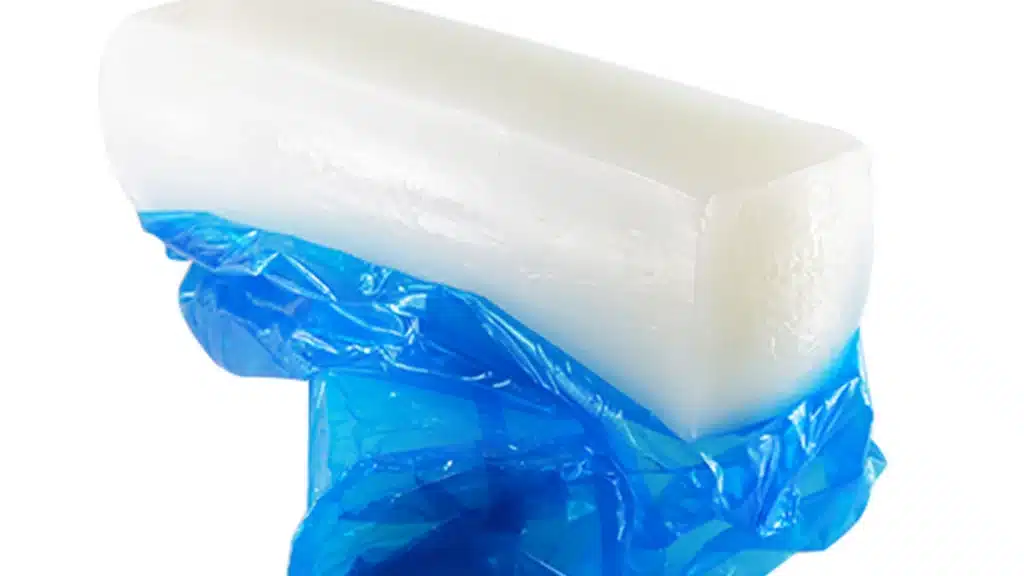
Are silicone baking molds safe to use in the oven?They can be when the proper silicone baking grade is used and the temperature range is suitable for the baking application.
Safety of an oven is dependent on the silicone grade, temperature range, product design, and clearly written instructions for use. To ensure the correct temperature range for the target before production, buyers must confirm. The performance of the mold under heat depends on the wall thickness, support rim and the whole structure. Color and odour should be observed when sampling and testing may be carried out as required for the target market, and the temperature range should be confirmed before production.
Do not assume all temperatures, it needs to be backed up by material data and real-use validation.
| Baking Safety Factor | What Buyers Should Confirm |
| Silicone Grade | Suitable food-contact silicone for baking use |
| Temperature Range | Must match intended oven-use conditions |
| Wall Thickness | Should provide support without making release difficult |
| Support Structure | Larger baking molds may need rims or reinforced edges |
| Odor | Should be reviewed during sample approval |
| Colorant | Pigments should match food-contact and heat-use requirements |
| Testing | FDA, LFGB, or finished product testing may be requested |
| User Instructions | Final retail products may need clear use and care guidance |
Are Silicone Candy and Chocolate Molds Safe?
Is there any danger to using silicone candy and chocolate moulds? They are, if the food-contact material is accompanied by well-planned cavity design and effective release.
Because candy, chocolate, gummy and jelly molds come in direct contact with food products, it is important to use food grade silicone material. Pigment testing, odor and product testing may be important as well. The depth of the cavity, the surface finish and detail design are all factors that affect the ability to easily remove delicate parts from the mold. Smoother durometer options may be useful for clean demolding of complex shapes. Testing of samples of the product is the most effective means to confirm performance prior to mass manufacture.
| Candy / Chocolate Mold Factor | Why It Matters |
| Food-Contact Material | Required because the mold directly contacts edible products |
| Pigment Safety Review | Important for colored candy or chocolate molds |
| Odor Review | Unwanted odor can affect buyer acceptance |
| Cavity Detail | Fine details should not trap material or make cleaning difficult |
| Release Performance | Helps candies, chocolates, or gummies come out cleanly |
| Surface Finish | Affects finished product appearance and cleaning |
| Hardness | Should balance flexibility, support, and demolding |
| Testing Requirement | Depends on target market, retailer, and product category |

FDA, LFGB and Food-Contact Testing: What Buyers Should Know
The FDA, LFGB and food-contact testing should not be a “last minute decision” for a buyer.
Food contact specifications are frequently requested by FDA-related customers and testing to meet the requirements of the LFGB is requested by some customers in the EU-related market, as well as some German customers. Some retailers or importers may request finished product testing on the final molded product. Not all colours or end products will be included in existing material reports. Check testing scope before production and consult with your importer, retailer or compliance advisor for market specific advice.
| Testing / Documentation Item | When It May Matter |
| FDA-Related Testing | Food-contact silicone molds intended for the U.S. market |
| LFGB Testing | Germany or EU-related buyers may request it |
| Finished Product Testing | Retailers or importers may require testing on the actual molded product |
| Color-Specific Review | Colored silicone products may need pigment or finished product review |
| Material Declaration | Useful for buyer, importer, or retailer approval |
| Retailer Requirements | Some sales channels may request additional documentation |
| Third-Party Lab Testing | Needed when formal test reports are required |
| Compliance Review | Buyers should confirm requirements before tooling or bulk production |
What Buyers Should Check Before Ordering Food-Contact Silicone Molds
Smart purchasers verify safety and production-related information prior to tooling even begins.
Begin with the product use and if it has a legitimate need for a food contact rating. Establish target market at the beginning to know about the standards (FDA, LFGB, retailer-specific). Then pass through the silicone material grade, curing system, pigments and color, temperature range, shore hardness, cavity design, odor expectation, packaging style, testing needs, order quantity and lead time. By answering these questions early, costly revisions will be avoided.
| Information to Confirm | Why It Helps |
| Product Application | Determines whether food-contact silicone is needed |
| Food-Contact Use | Helps define material and testing direction |
| Target Market | Affects FDA, LFGB, retailer, or importer requirements |
| Silicone Grade | Ensures the material matches the intended application |
| Curing System | May affect odor and material expectations |
| Pigments / Color | Important for colored food-contact products |
| Temperature Range | Helps match material to baking, freezer, or beverage use |
| Shore Hardness | Affects flexibility, support, and release |
| Cavity Design | Affects cleaning, release, and usability |
| Odor Requirement | Important for food and beverage products |
| Packaging Style | Helps protect products during storage and shipping |
| Testing Needs | Should be confirmed before mass production |
Manufacturing Factors That Affect Food-Contact Mold Reliability
The appropriate material is essential and production control is critical to safe food-contact silicone products projects.
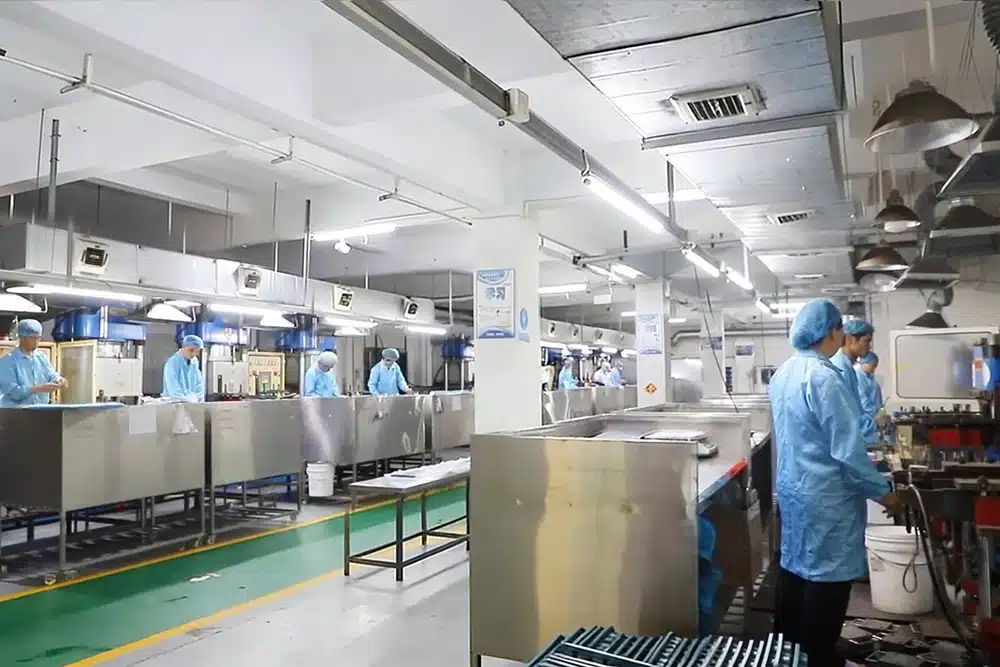
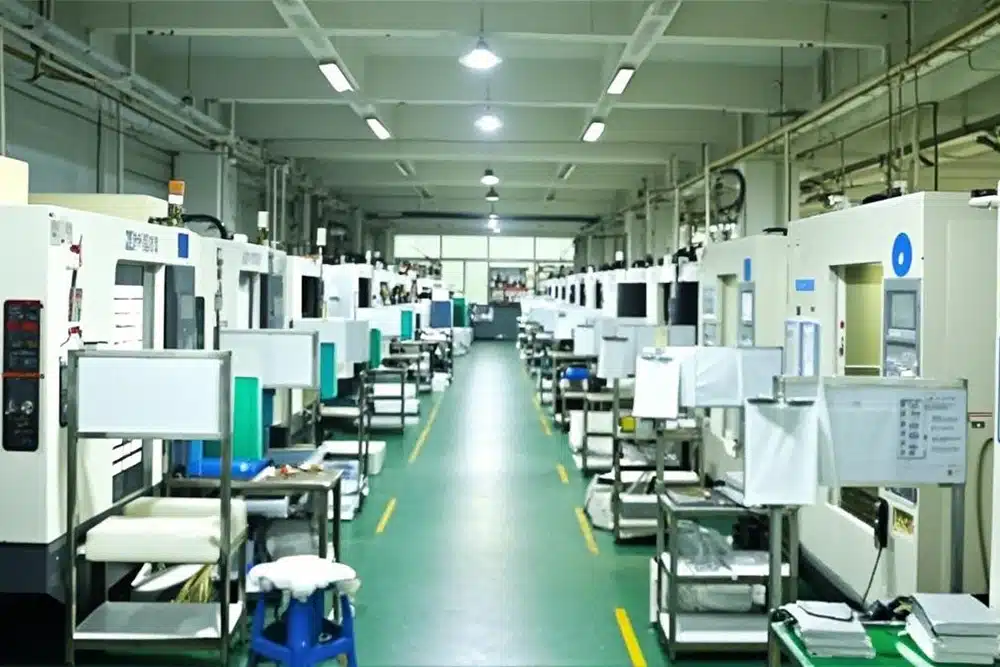
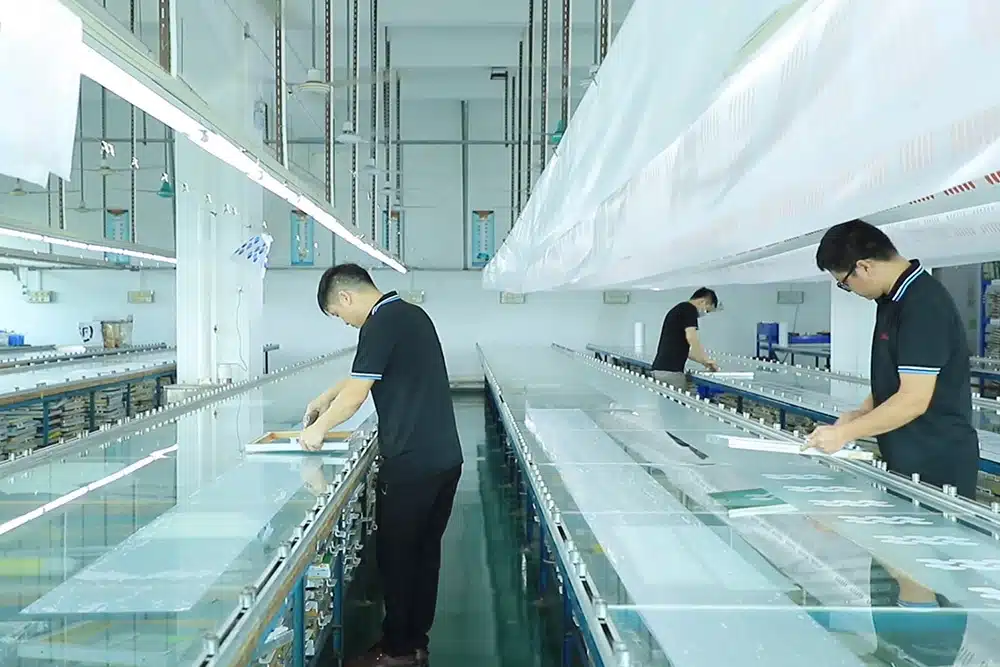
Every stage from raw material inspection to pigment control, the precision of mold tools to the clean assembly all have an impact on the reliability of the product. The consistent results from each batch are provided by the compression molding process control, curing consistency, in-process quality checks, hardness testing, dimension verification, functional testing, and final packaging.
| Manufacturing Factor | Why It Matters |
| Raw Material Inspection | Helps confirm the correct silicone compound is used |
| Pigment Control | Supports color consistency and food-contact review |
| Mold Tooling Precision | Improves cavity consistency, release, and appearance |
| Process Control | Helps reduce defects such as bubbles, flash, or deformation |
| Curing Control | Affects material performance and odor expectations |
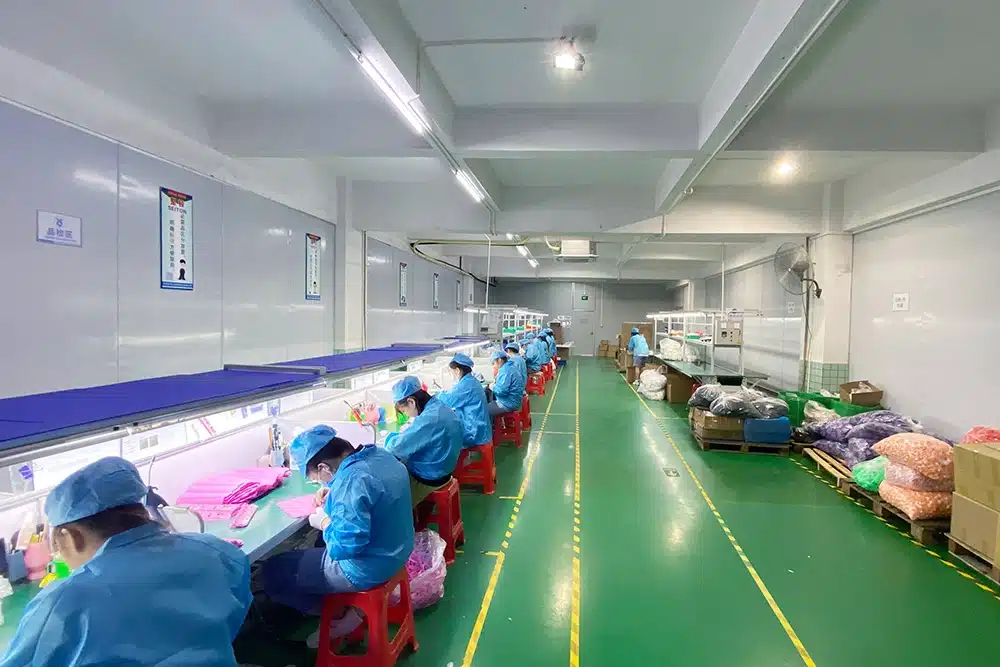
| Clean Handling | Important for consumer and food-related products |
| Hardness Testing | Confirms flexibility and support match approved samples |
| Dimension Check | Ensures product size and cavity layout remain consistent |
| Functional Testing | Confirms baking, freezing, release, or cleaning performance where relevant |
| Final Packaging Inspection | Helps protect products before shipment |
Common Safety Misunderstandings About Silicone Molds
There are a number of common misconceptions that can impact the buyer’s decision-making process and result in compliance or performance issues down the road.
| Misunderstanding | Practical Reality |
| “All silicone molds are food-safe.” | Food-contact suitability depends on material, pigments, curing, testing, and process control |
| “Food-grade means no testing is needed.” | Some markets, retailers, or importers may still require reports |
| “FDA and LFGB are the same.” | They represent different testing expectations and market needs |
| “Color does not matter.” | Pigments and additives may affect food-contact review |
| “A sample that looks good is enough.” | Odor, material, temperature, and testing should also be reviewed |
| “Any silicone can go in the oven.” | Temperature range must match the selected material and intended use |
| “Packaging is only cosmetic.” | Packaging helps protect cleanliness and retail presentation |
Common Mistakes When Ordering Safe Silicone Molds
It’s difficult for any sourcing team, even an experienced one, to miss important details that impact safety, compliance or production success.
| Common Mistake | Better Approach |
| Choosing only by price | Compare material grade, testing needs, QC, and production control |
| Not confirming market requirements | Check target market, retailer, and importer expectations early |
| Testing after production | Confirm testing scope before tooling or mass production |
| Ignoring pigments | Review colorants for intended food-contact use |
| Ignoring odor | Check odor during sample approval |
| Using industrial silicone for food molds | Select suitable food-contact silicone material |
| Skipping real-use testing | Test baking, candy release, freezing, or cleaning where relevant |
| Not checking temperature range | Match material to intended oven, freezer, or beverage use |
| Ignoring packaging | Plan clean and protective packaging early |
| Comparing incomplete quotes | Confirm material, testing, packaging, and QC scope |
How to Choose a Manufacturer for Safe Food-Contact Silicone Molds
When selecting a manufacturer for safe food contact silicone molds, you need to evaluate the manufacturer’s knowledge of the material, awareness of testing, ability to handle clean, and the quality systems in place.
The qualified partner should have a solid understanding of food-grade silicone material selection and optimization, recommendations for Shore hardness, mold design and the manufacturing of mold tools, prototype and sample production, compression molding, in-house mold manufacturing, dust-free production environment, and the final product inspection. These features contribute to the ability to deliver molds that perform as well as they should and comply with requirements from the first mold sample.
| Manufacturer Capability | Why It Matters for Food-Contact Products |
| Material Selection Knowledge | Helps choose silicone compound, curing system, hardness, and pigments |
| Food-Contact Testing Awareness | Helps buyers plan FDA, LFGB, or finished product testing where required |
| Design Review Support | Ensures the mold structure matches baking, candy, ice, or kitchenware use |
| In-House Tooling | Improves control over cavity accuracy and sample development |
| Sample Development | Allows buyers to check odor, color, hardness, release, and function |
| Clean Handling and Packaging | Supports better product cleanliness before shipment |
| Quality Control System | Helps maintain consistency across mass production |
| Documentation Support | Helps coordinate relevant reports or declarations when requested |
| Export Experience | Supports communication, documentation, and international delivery needs |
Final Buyer Checklist: Are Your Silicone Molds Ready for Food Contact?
Pass this practical checklist before the mass production is finalised to ensure that all is in order with food contact specifications.
| Checklist Question | Why It Matters |
| Is the product intended for food, beverage, ice, or kitchen use? | Confirms whether food-contact material review is needed |
| Has the silicone material been selected for food-contact use? | Reduces material mismatch risk |
| Are pigments and colorants suitable for the intended application? | Important for colored silicone molds |
| Is the temperature range confirmed? | Required for baking, freezer, or beverage use |
| Are FDA, LFGB, or retailer requirements confirmed? | Prevents documentation problems after production |
| Is finished product testing needed? | Some buyers or markets may require it |
| Has odor been reviewed during sampling? | Important for food and beverage products |
| Has real-use testing been performed? | Confirms baking, freezing, release, or cleaning performance |
| Is the packaging suitable for clean storage and shipment? | Protects finished products before sale |
| Are inspection standards agreed before mass production? | Supports consistent bulk quality |
Conclusion — Silicone Mold Safety Starts With Material and Process Control
Silicone molds may be a practical solution for baking, candy and chocolate products, ice, beverage products, and kitchenware products, but planning for food-contact safety should be done prior to production. The buyers should be assured on material grade, pigments, curing system, temperature range, test requirements, sample performance, production control, and packaging. Having these pieces of information reviewed at this early stage makes custom silicone mold projects more reliable, consistent, and appropriate to the market they’ll be used in.
We are able to assist our OEM/ODM projects from our in-house material selection to manufacture the mold to the dust-free assembly and rigorous quality control at Dongguan HT Silicone & Rubber Co., Ltd. Dedicated time spent on matching material, design, and process control ensures that brands produce high performance, safe, silicone molds that satisfy regulatory requirements and customer needs.