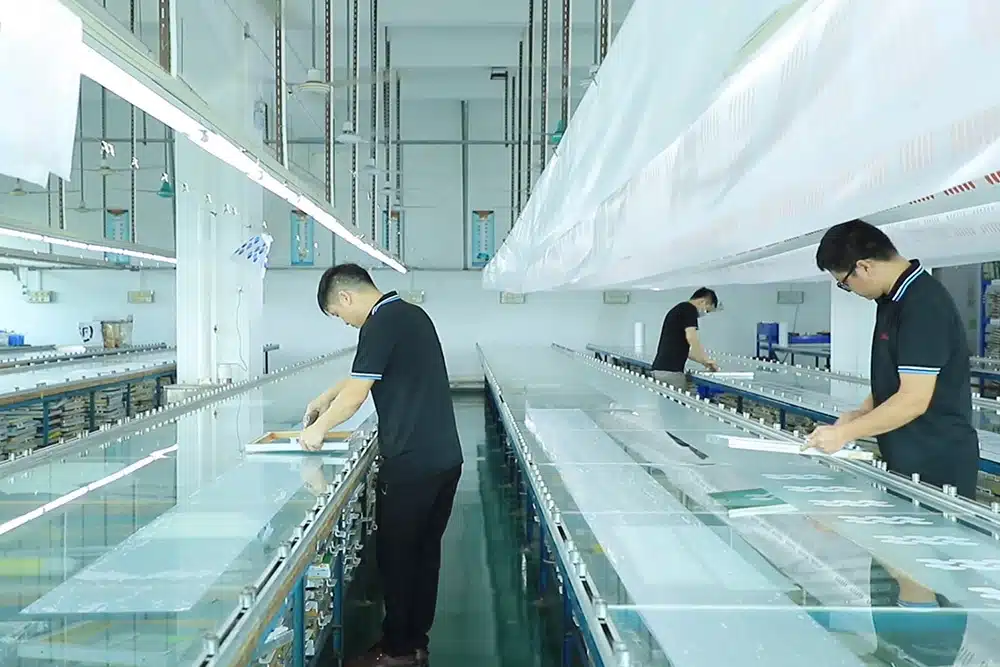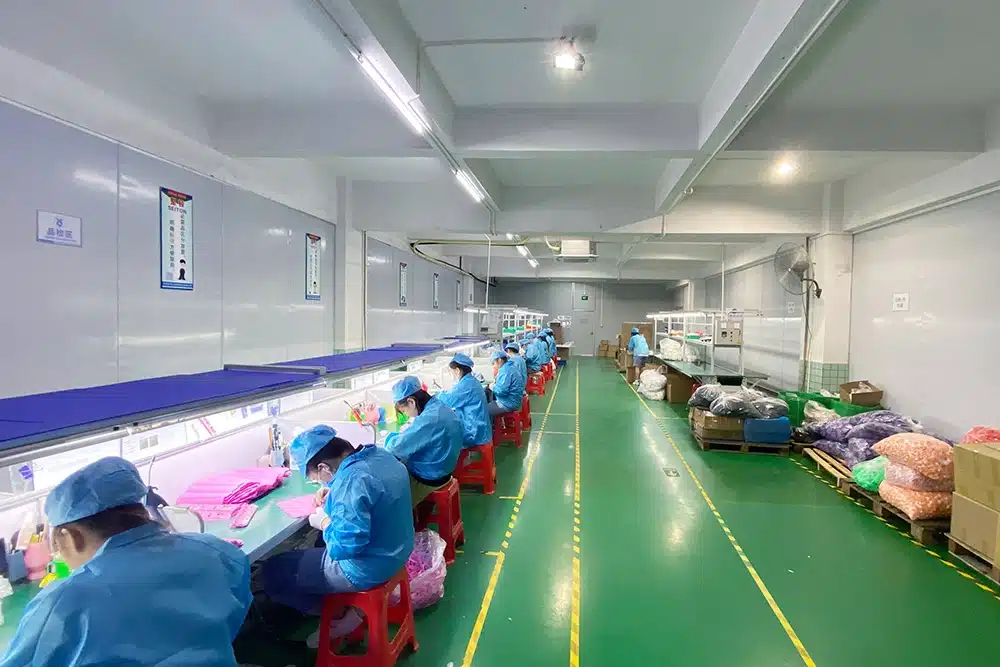

The first step in getting an accurate quote from the silicone mold manufacturer is to give them all the project details in the beginning. The factors of silicone mold quote involve product design, silicone material, tooling complexity, silicone weight, cavity layout, color matching, Logo branding, packaging, testing, order quantities and target markets. Manufacturers use this information to determine the cost of the mold, sample costs, unit pricing, packaging costs, testing fees, lead time and much more.
The more comprehensive the details of the RFQ are, the more precise and useful the silicone mold quote will be. The size, material, hardness, color, logo, package, quantity, and target market are some of the other items a silicone mold manufacturer requires before providing a more realistic quote than the buyer would receive if just a product photo was sent. Inaccurate information leads to a statement of “estimates” or to a delay in a response or to a revision of that information during sampling and production.
Quick Answer: What Should You Include in a Silicone Mold RFQ?
Before contacting a silicone mold manufacturer, quantity, packaging and target market information ready before reaching out to a silicone mold manufacturer to ensure that the quote accurately represents the actual scope of the project.
A properly written RFQ will provide the manufacturer with all the information required to assess feasibility and to put forward a competitive, realistic quotation. This is the vital data that should be included:
| RFQ Information | Why It Matters for Quotation |
| Product Application | Determines material, structure, testing, and performance needs |
| 3D CAD File | Helps evaluate geometry, tooling complexity, and manufacturability |
| 2D Drawing | Defines dimensions, tolerances, and technical notes |
| Reference Sample / Photos | Helps explain appearance, feel, and product expectations |
| Product Dimensions | Affects mold size, silicone weight, packaging, and shipping |
| Wall Thickness | Influences material use, durability, release, and cost |
| Cavity Layout | Affects tooling cost, output efficiency, and MOQ |
| Silicone Material | Determines material cost and performance suitability |
| Shore Hardness | Affects flexibility, support, demolding, and user experience |
| Color Requirement | Helps estimate color matching and pigment preparation |
| Logo / Branding | Affects tooling, printing, engraving, or finishing cost |
| Packaging Style | Impacts packing cost, MOQ, and lead time |
| Testing Requirements | FDA, LFGB, or retailer testing may affect cost and schedule |
| Order Quantity | Helps calculate unit price, MOQ, and production planning |
| Target Market | Affects material, testing, labeling, and documentation needs |
| Lead Time Requirement | Helps evaluate whether the schedule is realistic |
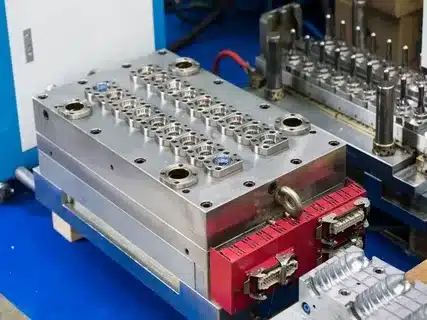
Product Application: Explain How the Silicone Mold Will Be Used
When developing your request, always consider product application as it affects all technical and commercial decisions. If the mold is used for food products or for industrial parts, the user can still provide the manufacturer with clear instructions on how to use the mold, which in turn helps the manufacturer to recommend the appropriate silicone grade and structure from the beginning.
Selecting the appropriate material, wall support, release performance and testing can vary according to the specific application. For instance, baking molds require high heat resistance and soap molds require easy demolding and detail in the cavity.
| Product Application | Key Information to Share |
| Baking Molds | Oven-use temperature, food-contact requirements, wall support, packaging |
| Candy / Chocolate Molds | Food-contact material, cavity detail, release performance, surface finish |
| Soap Molds | Cavity depth, logo detail, flexibility, demolding requirements |
| Ice Cube Trays | Freezer release, lid fit, cavity layout, food-contact material |
| Beverage Molds | Food-contact use, odor expectations, shape consistency, packaging |
| Popsicle Molds | Handle fit, lid or cover design, freezer performance, cleaning |
| DIY Craft Molds | Material compatibility, tear resistance, detail accuracy |
| Promotional Molds | Logo clarity, color, seasonal timing, gift packaging |
| Industrial Molds | Functional requirements, durability, temperature, and material compatibility |
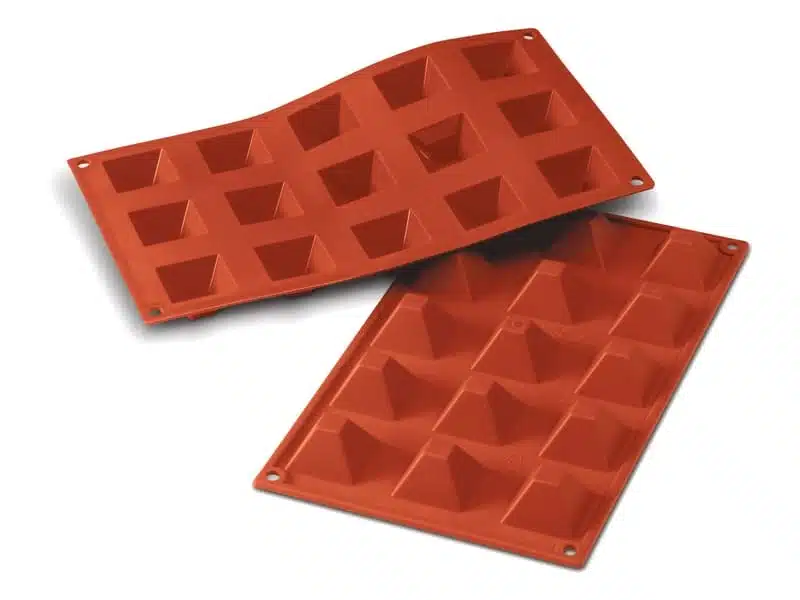
CAD Files, Drawings and Samples: What Should Buyers Send?
Accurate tooling evaluation and cost estimation of design files and reference materials are the base for the design.Design files and reference materials are the basis to make accurate evaluation and estimation of the cost of the tools. If they are not provided, the silicone mold manufacturer can only give a rough quote of the price of the mold, and the price may fluctuate greatly after the final drawings are received.
The most preferred formats are 3D geometry in STEP or STP and 2D drawings that define important dimensions and tolerances. Physical samples or good pictures make intent clear, particularly during early concept phase.
| File / Reference Type | Best Use | Buyer Note |
| STEP / STP | 3D geometry and tooling review | Preferred for many mold engineering discussions |
| IGS / IGES | Surface geometry reference | Useful for complex shapes when STEP is unavailable |
| STL | Prototype or 3D print reference | Helpful but may not be ideal for editable tooling data |
| PDF 2D Drawing | Dimensions, tolerances, material notes | Important for quotation and inspection standards |
| DWG / DXF | 2D profiles or flat layouts | Useful for dimensioned technical reference |
| Physical Sample | Matching size, feel, structure, and function | Useful for reverse engineering or improvement projects |
| Reference Photos | Appearance and concept communication | Helpful but not enough for final tooling quotation |
| Hand Sketch | Early idea communication | Should be supported with dimensions and application details |
Dimensions, Wall Thickness and Cavity Layout
The exact size and cavity configuration are critical variables which directly affect mold size, material usage, production efficiency and final cost. Variations in wall thickness or cavity spacing could impact tooling price and cost per unit.
The overall size of the product, size of the cavities, number of cavities and any supportive details (rims or lids). This information can be used by the manufacturer to design the layout for economical production.
| Design Detail | Why It Affects the Quote |
| Overall Size | Determines mold size, material usage, packaging, and shipping volume |
| Cavity Size | Affects product output size and cavity machining |
| Cavity Depth | Influences release, tooling complexity, and sample testing |
| Cavity Number | Affects tooling cost and production efficiency |
| Cavity Spacing | Impacts mold strength, cleaning, and product layout |
| Wall Thickness | Controls silicone weight, flexibility, durability, and cost |
| Support Rim | Adds material but improves handling and shape stability |
| Lid / Accessory Fit | Requires dimension control and assembly review |
| Critical Dimensions | Helps manufacturer identify inspection points |
| Packaging Fit | Prevents size mismatch after production |
Silicone Material, Shore Hardness and Performance Requirements
Properly defining the silicone material and hardness at the outset of a project will save time and money in making changes later on in the project. This selection will directly impact the food-contact or industrial standards, performance and cost.
There are two kinds of silicone suits, one for food, and one for industrial use, and the latter could be better for promotional or technical use. The Shore hardness determines the ease of release from the mold and the hand feel of the product.
| Material Requirement | Why It Matters |
| Food-Grade Silicone | Needed when the product contacts food, beverage, ice, or ingredients |
| Industrial-Grade Silicone | May suit soap, craft, technical, or non-food applications |
| Heat-Resistant Silicone | Important for baking or warm-contact applications |
| Freezer-Use Silicone | Important for ice trays, popsicle molds, and frozen products |
| Shore Hardness | Affects flexibility, support, release, and user feel |
| Tear Resistance | Important for deep cavities, thin walls, or repeated demolding |
| Odor Requirement | Important for food, beverage, personal care, or retail products |
| Curing System | May affect odor, appearance, and performance expectations |
| Target Environment | Helps select material based on heat, cold, cleaning, or chemical exposure |

Color, Logo and Branding Requirements
Colour and branding specifications impact sample time, completion processes and project cost. Giving Pantone swatches or vector graphics in advance enables manufacturers to color match and integrate the company logo precisely.
Specifications either for embossed or full-color silk-screen printing help to avoid multiple sample rounds.
| Branding / Color Detail | What to Provide |
| Standard Color | Reference color or existing sample |
| Pantone Color | Pantone code and physical reference where possible |
| Translucent Effect | Reference sample or clear visual target |
| Multi-Color Design | Color layout, separation details, and approval sample expectations |
| Embossed Logo | Vector logo and desired location / size |
| Debossed Logo | Vector logo and depth expectation if known |
| Logo Inside Cavity | Logo position and release/cleaning requirements |
| Printed Logo | Artwork file, print color, durability expectation |
| Laser Engraving | Marking area and artwork requirements |
| Surface Texture | Texture sample, image, or technical description |
| Logo Artwork | AI, EPS, SVG, or vector PDF preferred |
Packaging, Labeling and Retail Requirements
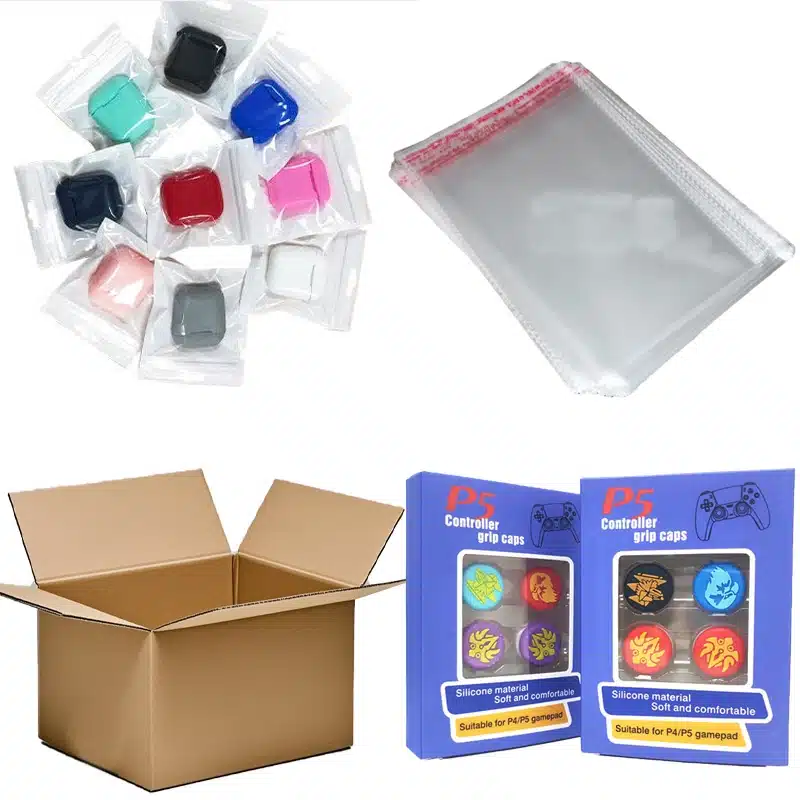
Packaging specifications may have a considerable impact on final quotation, minimum order quantity and lead time. Retail-ready includes color boxes or barcoded labels, which will need extra artwork and coordination.
If you request the package to be bulk or ecommerce, the manufacturer will factor in all associated costs.
| Packaging Information | Why It Matters for Quote |
| Bulk Packaging | Lower packaging complexity, useful for wholesale orders |
| Polybag | Basic protection and simple packing cost |
| Color Box | Requires printing, structure design, and packaging MOQ |
| Kraft Box | Useful for gift or natural-style positioning |
| Label / Barcode | Needed for SKU management and retail channels |
| Instruction Card | Adds printing and packing work |
| Product Insert | Helps organize sets or improve presentation |
| Retail Display Packaging | Adds structure, artwork, and supplier coordination |
| Ecommerce Packaging | Must balance protection, shipping size, and unboxing experience |
| Carton Packing | Affects shipping volume and export preparation |
| Packaging Artwork | Should be prepared early to avoid lead-time delays |
Testing, Compliance and Documentation Needs
Discuss testing and compliance requirements prior to tooling to prevent unplanned expenses or delays. Food-contact products may require FDA or LFGB documentation and retailers are frequently asking for specific reports.
Early mention of your target market and any third party testing requirements will allow the manufacturer to see what quality checks and documentation are needed to make in order to meet your requirements.
| Testing / Documentation Need | When Buyers Should Mention It |
| FDA-Related Testing | Food-contact products for U.S. market where required |
| LFGB Testing | Germany or EU-related buyers may request it |
| Finished Product Testing | Retailers or importers may need reports for the actual product |
| Material Declaration | Useful for buyer or importer review |
| Color-Specific Testing | Colored food-contact products may need review |
| Retailer Testing | Chain retailers or private-label programs may have specific requirements |
| Marketplace Documentation | Some platforms may request product or material information |
| Heat / Freezer Testing | Needed for oven, freezer, or dishwasher-use claims |
| Functional Testing | Important for release, durability, and user performance |
| Third-Party Lab Testing | Should be planned before production if formal reports are required |
Quantity, MOQ, Lead Time and Shipping Information
Commercial aspects like order volume, MOQ expectations and delivery timelines enable the manufacturer to work out the price to be reasonably realistic as well as schedule production capacity. Reservations for an annual forecast or trial order plans can also provide the basis for discussing improved price tiers.
The shipping method and destination further specify the quotation.
| Commercial Information | Why It Helps |
| Sample Quantity | Helps estimate sample cost and preparation time |
| First Order Quantity | Helps calculate unit price and production schedule |
| MOQ Expectation | Helps discuss realistic production planning |
| Annual Forecast | Helps evaluate tooling value and repeat order planning |
| Trial Order Plan | Useful when market demand is still uncertain |
| Repeat Order Plan | Helps manufacturer plan material and production capacity |
| Target Launch Date | Helps assess whether the timeline is realistic |
| Shipping Destination | Affects carton planning, logistics, and delivery estimate |
| Shipping Method | Air, sea, or express shipping affects cost and timeline |
| Delivery Urgency | Helps identify whether rush planning is needed or risky |
How Manufacturers Use Your RFQ Information
Every RFQ is considered from a professional silicone mold manufacturer’s engineering perspective before being costed. This process is internal and considers the feasibility of the design, suitability of materials, complexity of tools and production flow to ensure the quotation is both accurate and practical.
There are several areas of importance such as product weight estimation, process selection and quality planning.
| Manufacturer Review Area | What They Evaluate |
| Product Design | Whether the product can be molded and demolded properly |
| Tooling Feasibility | Mold structure, cavity number, precision, and tooling complexity |
| Material Selection | Silicone grade, hardness, color, and performance needs |
| Product Weight | Estimated silicone usage and unit cost |
| Production Process | Compression molding, co-injection, or other suitable process where relevant |
| Logo / Finishing | Embossing, debossing, printing, engraving, or surface treatment |
| Packaging | Packing method, box type, label, insert, and carton requirements |
| Testing Needs | FDA, LFGB, functional, or retailer testing where applicable |
| MOQ | Minimum production quantity based on setup and material planning |
| Lead Time | Tooling, sampling, production, QC, packaging, and shipment schedule |
| QC Plan | Inspection points for dimensions, hardness, appearance, and function |
How to Compare Quotes From Different Silicone Mold Manufacturers
Every RFQ is considered from a professional silicone mold manufacturer’s engineering perspective before being costed. This process is internal and considers the feasibility of the design, suitability of materials, complexity of tools and production flow to ensure the quotation is both accurate and practical.
There are several areas of importance such as product weight estimation, process selection and quality planning.
| Quote Comparison Item | What Buyers Should Check |
| Tooling Cost | Is the mold structure, cavity layout, and logo detail included? |
| Sample Cost | Are samples included, and how many rounds are covered? |
| Unit Price | Is the quoted quantity and packaging scope the same? |
| MOQ | Does MOQ match the same material, color, and packaging requirements? |
| Material Grade | Are suppliers quoting the same silicone grade? |
| Shore Hardness | Is the required hardness included? |
| Color Matching | Are Pantone matching and sample approval included? |
| Logo / Finishing | Are embossing, debossing, printing, or engraving costs included? |
| Packaging | Are labels, boxes, inserts, and cartons included? |
| Testing | Are FDA, LFGB, or retailer tests included if needed? |
| QC Standard | What inspection items are covered before shipment? |
| Lead Time | Does it include tooling, sampling, production, packaging, and QC? |
| Revision Policy | What happens if the first sample needs adjustment? |
| Shipping Terms | Are logistics costs and responsibilities clear? |
Common RFQ Mistakes Buyers Should Avoid
It’s important to compare quotations fairly by examining the total scope of work and not just the unit price. Two different quotes could mutually be based on different assumptions with respect to material grade, cavity layout, packaging, or testing.
Compare each element to see what it covers and what may give an additional cost down the road.
| Common RFQ Mistake | Better Approach |
| Sending only photos | Add dimensions, drawings, samples, and application details |
| Not explaining use | Tell the manufacturer whether it is for baking, candy, soap, ice, DIY, or other use |
| Missing CAD files | Provide STEP/STP, IGS, STL, PDF drawings, or samples where available |
| No material requirement | State food-grade, industrial-grade, heat-resistant, or ask for recommendation |
| No hardness requirement | Provide Shore A target or ask the manufacturer to recommend |
| No quantity | Share sample quantity, first order quantity, and annual forecast if possible |
| No color details | Provide Pantone code or physical reference |
| No logo artwork | Send vector logo files before tooling quotation |
| No packaging information | Clarify bulk, polybag, box, label, insert, or retail packaging |
| Late testing request | Confirm FDA, LFGB, or retailer needs before production planning |
| Comparing different scopes | Make sure all suppliers quote the same requirements |
| Changing specs later | Lock key details before tooling and sample production |
Complete RFQ Checklist for Buyers
Use this practical checklist to confirm you have covered every essential detail before sending your request. It serves as a quick reference you can copy and complete for each new project.
| RFQ Checklist Item | Confirmed? |
| Product application clearly explained | Yes / No |
| Food-contact or non-food use confirmed | Yes / No |
| 3D CAD file provided if available | Yes / No |
| 2D drawing or PDF specification provided | Yes / No |
| Physical sample or reference photo provided if available | Yes / No |
| Product dimensions listed | Yes / No |
| Wall thickness or structure requirements included | Yes / No |
| Cavity number and layout explained | Yes / No |
| Silicone material requirement confirmed or marked “please recommend” | Yes / No |
| Shore hardness requirement confirmed or marked “please recommend” | Yes / No |
| Color or Pantone requirement included | Yes / No |
| Logo artwork and branding method included | Yes / No |
| Packaging style specified | Yes / No |
| Testing or documentation needs confirmed | Yes / No |
| Sample quantity and first order quantity included | Yes / No |
| Target market included | Yes / No |
| Target launch date or required lead time included | Yes / No |
| Shipping destination included | Yes / No |
How to Choose a Silicone Mold Manufacturer for Your RFQ
After you have a complete RFQ package, pay more attention to the technical review skill of the manufacturers than to the lowest bid, because the lowest bidder may not have the technical understanding to do the job. It is important for the person who is qualified to provide engineering input prior to confirming any quotation, regarding design, material options, optimizing wall thickness and the cavity layout.
Find a China custom silicone product manufacturer that has the ability to manufacture silicone molds in-house, can do compression molding and co-injecting, offers prototype samples, has the ability to surface finish with silk screen printing or laser engraving, and has a dust free environment. The experience of silicone mold development by OEM/ODM, raw material inspection, in-process quality control and packaging for the retail market makes the quotation truly practical for production in the real world.
| Manufacturer Capability | Why It Matters for Quotation Accuracy |
| Engineering Review | Helps identify design, tooling, and production risks before quote confirmation |
| Material Selection Support | Helps recommend suitable silicone grade and hardness |
| In-House Tooling | Improves control over mold cost, timing, and sample revisions |
| Prototype Development | Supports validation before mass production |
| Production Capability | Helps calculate realistic MOQ, unit price, and lead time |
| Quality Control System | Ensures quote includes practical inspection requirements |
| Branding Support | Helps evaluate logo, printing, engraving, or surface treatment cost |
| Packaging Support | Helps estimate retail, ecommerce, or bulk packaging accurately |
| Testing Awareness | Helps plan FDA, LFGB, or retailer documentation where needed |
| Export Experience | Supports communication, documentation, and international delivery planning |
Conclusion — A Better RFQ Creates a Better Silicone Mold Quote
When it comes to silicone mold quotes, it’s not a simple price request. Buyers who describe the uses, dimensions, design files, materials, color, logo, packaging, testing, quantity, and target market of the product are better able to have a manufacturer assess its feasibility of production, MOQ, lead time, unit price and tooling. A full RFQ eliminates unnecessary communication and misunderstandings, and streamlines the process from quotation to sample approval to mass production.
A photo is not sufficient to accurately price a tool and/or product. It is important to compare the project scope rather than the unit price in getting quotes. Engineering, material, tooling, production, QC, packaging and testing needs should be reviewed by a qualified manufacturer before final quotations are confirmed. By taking the time to create an extensive list of RFQs, you save money and time while providing your brand the silicone moulds it requires.