
Flexible molded silicone bottle sleeves are designed to make glass bottles easier to grip, buffer handle usage, protect the glass bottle surface, and bolster visual branding. These are frequently found in glass water bottles, baby bottles, milk bottles, juice bottles, beverage bottles, reusable drinkware and promotional glass bottle products.
While glass bottles are still a popular option for their cleanness and reusability, they tend to be slick when used regularly and can get some scratches when touching. Silicone bottle sleeves for glass bottles are designed to solve these problems by providing a non-rigid protective barrier that maintains the bottle’s high-end look. A good sleeve will fit tightly and securely without sliding or rolling and should suit the bottle dimensions, the correct wall thickness, hardness and texture and have carefully considered logos. When making glass bottles, a silicone sleeve should be thought of as both a protective element and a user experience element. It should contribute to grip and handling performance and to the appearance, brand identity, and real world protection requirements for the bottle. Many people think that any sleeve will fit any glass bottle, but, the most successful ones are made around the actual glass bottle shape, smooth surface, impact points, grip area and installation path.
Why Use Silicone Sleeves for Glass Bottles?
Silicone sleeves enhance a hand’s grip on smooth glass surfaces, prevent slipping caused by wet, cold or frequent handling, protect the bottom or sidewall from daily bumps and minimize contact marks or scratches on the surface. They also provide a way to add colour and brand identity to the glass without altering the glass itself, enhance comfort when drinking hot or cold bottle products, and make it easier to use reusable glass bottle products in retail, ecommerce, and everyday consumption—particularly when both looks and ease of handling is important.
For brands developing reusable drinkware, baby bottles, beverage bottles, or retail glass products, working with an experienced custom silicone sleeve manufacturer ensures silicone sleeves for glass bottles are based on the actual bottle design, grip area, wall thickness, logo placement, and packaging needs.
| Buyer Goal | How Silicone Sleeves Help Glass Bottles |
| Improve grip | Silicone texture and flexibility help reduce slipping on smooth glass |
| Add daily-use protection | Sleeve coverage can cushion common contact and impact areas |
| Protect bottle base | Bottom sleeves help reduce direct surface contact with tables or counters |
| Improve user comfort | Silicone adds a softer touch layer for holding the bottle |
| Add brand identity | Custom colors, logos, and textures support visual differentiation |
| Support product collections | Matching sleeve colors can create product families or seasonal series |
| Increase retail value | A well-designed sleeve can make glass drinkware feel more practical and premium |
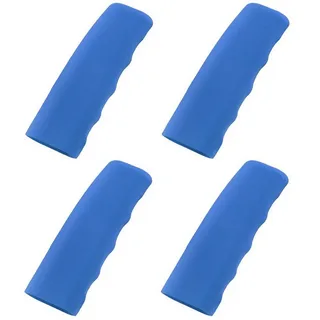
These advantages are most apparent when the sleeve is designed for the end-user. It is possible to make a standard glass bottle more comfortable and more distinctive without sacrificing any of the qualities of the bottle by selecting an appropriate sleeve.
Common Glass Bottle Products That Use Silicone Sleeves
Each glass bottle product has a distinct set of handling requirements, expectations at retail stores, and usage patterns, or how it is used, which necessitates different sleeve structures. The right configuration from the outset prevents subsequent fit and cost problems.
| Glass Bottle Type | Common Sleeve Purpose | Design Notes |
| Glass water bottle | Grip, base protection, and brand color | Secure fit and anti-slip texture are important |
| Baby bottle | Soft grip and easier handling | Material safety and cleaning should be considered |
| Milk bottle | Surface protection and vintage-style branding | Sleeve height and logo placement matter |
| Juice bottle | Brand differentiation and handling comfort | Colors and retail presentation are important |
| Tea / cold brew bottle | Grip and temperature handling comfort | Thickness and coverage should be tested |
| Smoothie bottle | Wet-hand grip and daily-use handling | Texture and cleaning practicality matter |
| Promotional glass bottle | Logo visibility and cost control | Simple sleeve shapes may be practical |
| Retail drinkware set | Appearance and packaging consistency | Color matching and packaging should be planned early |

Knowing these differences can assist brands in customizing the design for their particular product offering and target audience.
Key Design Factors for Silicone Sleeves on Glass Bottles
Glass bottle sleeves should not be based on assumptions about the bottle shape or handling patterns, but on actual bottle geometry and handling patterns. Any variation in diameter, taper or bottom radius will have a significant impact on the tightness of the sleeve and its performance over time.
| Design Factor | Why It Matters for Glass Bottles |
| Bottle diameter | Determines sleeve inner fit and stretch requirement |
| Bottle taper | Affects whether the sleeve stays in place or slides |
| Bottom radius | Important for base sleeve fit and edge stability |
| Sleeve height | Defines protection area, grip area, and visual style |
| Wall thickness | Affects cushioning, material cost, and hand feel |
| Shore A hardness | Influences flexibility, grip, and shape retention |
| Surface texture | Helps improve grip on smooth glass |
| Edge design | Reduces rolling, lifting, or deformation |
| Installation path | Ensures the sleeve can be applied without tearing |
| Logo placement | Must remain visible and undistorted on curved surfaces |
These are all reasons why it’s best to consider them all from the beginning, which will result in less revisions and a more reliable final product.
Full Sleeve, Half Sleeve, Base Sleeve or Grip Band: Which Design Works Best?
You don’t need to always wear full length sleeves when they’re not always necessary, they need to be worn when the protection level, style and finances align with the desired level of coverage. Not all glass bottles require a full body sleeve and selecting the right type will ensure practical material usage, cost, and installing the bottles.
| Sleeve Type | Best For | Buyer Consideration |
| Full sleeve | More body coverage and stronger color identity | Higher material use and more complex installation |
| Half sleeve | Balanced grip, protection, and branding | Practical for many reusable glass bottles |
| Base sleeve | Bottom protection and table contact cushioning | Limited sidewall protection |
| Grip band | Simple handling improvement | Lower coverage and lower material use |
| Open-bottom sleeve | Easier drainage and lighter structure | Less bottom impact protection |
| Closed-bottom sleeve | Better base coverage | Requires careful fit and installation review |
| Reinforced base design | Glass bottle bottom protection | Adds material but improves practical protection |

Demonstration testing of various coverings on real bottles helps to establish most appropriate combinations of coverage for each project.
Material and Shore A Hardness for Glass Bottle Sleeves
The selection of material and hardness should depend on the grip, installation, protection and the use of the product and not on softness or firmness alone. The temperature to which the food is exposed as well as how often it is cleaned contributes as well as food-grade needs.
| Material / Hardness Choice | Practical Effect for Glass Bottles |
| Food-grade silicone | Important when required by product claims, baby bottles, or drinkware use |
| Softer silicone | Better flexibility and grip, easier installation |
| Medium hardness silicone | Balanced grip, fit, and shape retention |
| Firmer silicone | Better structure but may be harder to install |
| Thicker silicone wall | Better cushioning and premium feel |
| Thin silicone wall | Lower material use but less protection |
| UV/weather-resistant silicone | Useful for sports or outdoor glass bottles |
| Easy-clean surface | Supports daily reusable drinkware use |
The only way to be certain that the material and hardness selected will achieve the desired performance on the particular type of glass bottle is to take a real sample of the bottle and test it.
Grip Texture and Surface Finish Options
Grip is particularly crucial for glass bottles with their smooth surfaces which can become slippery when wet or cold. The correct texture enhances handling, but doesn’t complicate cleaning or the overall look. Our surface finishing options help achieve the right balance of grip performance and cleanability.
| Texture / Finish Option | Best For | Buyer Notes |
| Matte texture | Premium feel and improved handling | Good balance of appearance and grip |
| Ribbed texture | Strong directional grip | Texture depth should feel comfortable |
| Dotted texture | Decorative grip surface | Easy to combine with brand style |
| Grooved texture | Anti-slip handling | Deep grooves may be harder to clean |
| Smooth finish | Clean appearance | Fit and hardness become more important |
| Soft-touch finish | Premium hand feel | Durability and cleaning should be tested |
| Raised pattern | Grip and visual differentiation | Must be planned in mold design |
| Wet-use texture | Cold or outdoor bottles | Test with condensation and wet hands |
Texture depth, placement of pattern and type of finish should all be considered in the practical application.
Logo, Color and Branding Options for Glass Bottle Sleeves
Silicone sleeves enable glass bottle brands to put identity into glass bottles without altering the glass bottle. The presentation of the product is cohesive, with the use of color matching, logo methods and texture integration.
| Branding Option | Best For | Buyer Notes |
| Pantone color matching | Brand color consistency | Physical color approval is recommended |
| Embossed logo | Durable molded branding | Must be planned during mold design |
| Debossed logo | Subtle premium appearance | Depth and cleaning should be reviewed |
| Silk screen printing | Simple logo or text contrast | Adhesion and wear should be tested |
| Laser engraving | Precise markings on suitable surfaces | Contrast depends on silicone color and finish |
| Texture branding | Grip plus visual identity | Pattern depth should be comfortable |
| Translucent silicone | Soft visual effect | Color consistency should be checked on real samples |
| Retail packaging | Complete product presentation | Packaging should match sleeve color and product positioning |
The blend of color, texture, and logo creates a cohesive look that makes the sleeve feel like a natural extension of the brand.
Mold Development and Sampling for Glass Bottle Sleeves
The fit and grip of glass bottle sleeves are dependent upon real bottle geometry and are unique to each bottle and each sleeve and therefore should be tested through proper custom mold development. Drawings or photos can not show how the sleeve will perform after installation.
| Development Step | What Happens | Buyer Checkpoint |
| Bottle review | Manufacturer checks diameter, shape, taper, and surface | Provide real bottle sample if possible |
| Sleeve design | Coverage, thickness, texture, and logo are planned | Confirm design before tooling |
| Mold design | Tooling is designed around sleeve geometry | Review critical fit and logo areas |
| Trial molding | First silicone samples are produced | Test real material behavior |
| Fit testing | Sleeve is installed on actual glass bottle | Check tightness, sliding, and edge stability |
| Grip testing | Users handle the bottle in real-use conditions | Confirm texture and comfort |
| Sample approval | Buyer confirms fit, color, logo, and packaging | Approved sample becomes production reference |
Taking the time to get it right with sampling will save time and money on adjustments during production.
Quality Control for Silicone Sleeves for Glass Bottles
Fit, appearance, grip, consistency of material and packaging should be priorities for quality control for custom silicone products, as they each play a role in what the sleeve will do when it comes in contact with the glass bottle.
| Quality Check | Why It Matters |
| Material verification | Confirms correct silicone grade, color, and hardness |
| Hardness testing | Ensures approved flexibility and grip are maintained |
| Dimensional inspection | Helps ensure consistent bottle fit |
| Glass bottle fit test | Confirms sleeve retention on smooth glass |
| Edge stability check | Reduces rolling, lifting, or sliding risks |
| Surface inspection | Checks bubbles, stains, marks, or uneven finish |
| Texture inspection | Confirms grip pattern consistency |
| Logo inspection | Ensures branding is clear and correctly positioned |
| Trimming check | Prevents rough edges and improves user experience |
| Packaging inspection | Ensures products are ready for retail or ecommerce delivery |
Strict QC procedures ensure consistency between batches.
Common Mistakes When Designing Silicone Sleeves for Glass Bottles
Some things are sometimes overlooked even by experienced buyers that cause the problem downstream. These are common pitfalls to avoid to save time and not require redesigns.
| Mistake | Better Approach |
| Designing from photos only | Provide drawings, measurements, or physical bottle samples |
| Ignoring bottle taper | Design around the actual bottle shape |
| Making fit too loose | Test sleeve retention on smooth glass surfaces |
| Making fit too tight | Review installation path and stretch requirements |
| Over-thinning the sleeve | Balance cost with grip, protection, and edge stability |
| Claiming breakproof protection | Describe realistic grip and cushioning benefits |
| Ignoring bottom radius | Review base fit and edge stability |
| Choosing texture visually only | Test grip, comfort, and cleaning |
| Skipping sample approval | Check real fit, grip, logo, color, and packaging before production |
These mistakes learned can streamline the development process.
What Buyers Should Prepare Before Requesting a Quote
Comprehensive project details enable manufacturers to give more effective design suggestions and accurate quotes. The better you can give them the information before they start, the easier the process will be.
| Information to Prepare | Why It Helps |
| Glass bottle sample | Allows real fit and grip testing |
| 2D/3D drawing | Helps evaluate dimensions, taper, and mold feasibility |
| Bottle diameter and height | Defines sleeve size and coverage |
| Bottom radius | Helps design base sleeve or edge fit |
| Sleeve coverage area | Determines material use, protection, and appearance |
| Wall thickness target | Affects cushioning, cost, and installation |
| Hardness preference | Guides grip, flexibility, and structure |
| Color requirement | Supports Pantone matching and product branding |
| Logo file | Helps evaluate embossing, debossing, printing, or engraving |
| Surface texture | Affects anti-slip performance and user comfort |
| Quantity estimate | Helps evaluate tooling, MOQ, and unit price |
| Packaging requirement | Ensures sleeve and bottle fit final sales channel |
The earlier this information is ready, the sooner the feedback and more realistic timelines will be available.
How to Work With a Manufacturer on Custom Glass Bottle Sleeves
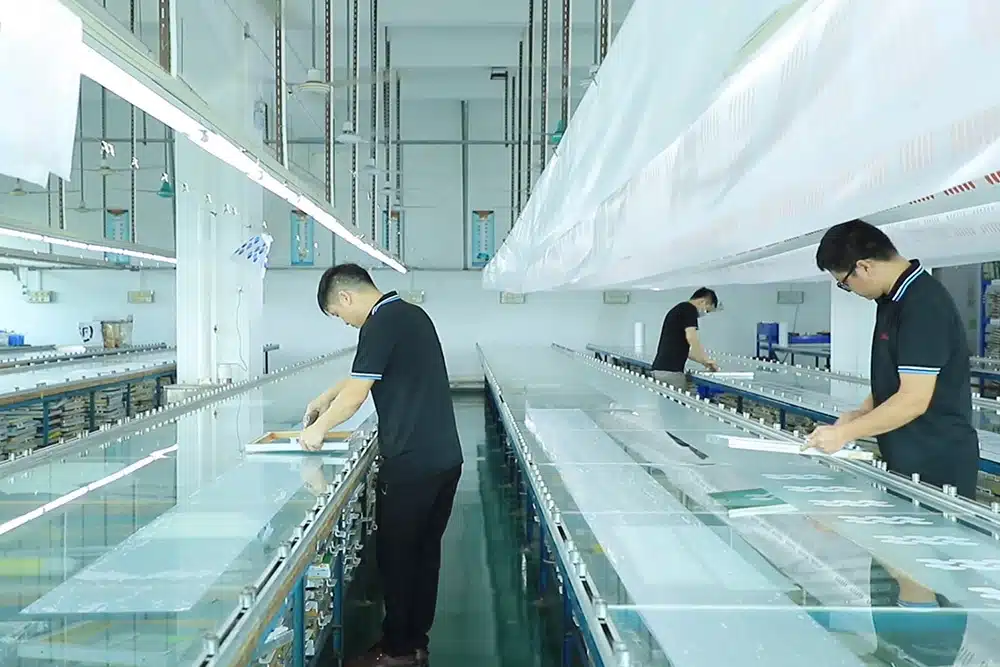
The buyer should look for a manufacturer experienced in OEM & ODM silicone manufacturing that has experience in silicone molding, bottle fit, material selection, mold development, sample testing, finishing and quality control. The qualified partner provides engineering review to avoid fit or installation issues, silicone selection advice to address drinkware usage, Shore A hardness recommendations, in-house mold capability, compression molding experience and logo customization via silk screen printing, laser engraving, embossing, debossing and surface finishing. Other benefits include surface texture development, extensive sample approval and quality control from raw material to product, and packaging for retail or ecommerce channels.
| Manufacturer Capability | Why It Matters for Glass Bottle Sleeves |
| Engineering review | Helps prevent fit, taper, thickness, and installation problems |
| Material selection support | Matches silicone performance with drinkware use and target market |
| Hardness guidance | Balances grip, flexibility, protection, and sleeve retention |
| In-house mold capability | Improves control over fit, texture, logo, and production stability |
| Silicone molding experience | Supports consistent quality for custom molded sleeves |
| Surface finishing options | Enables logo, texture, color, and touch-feel customization |
| Sample development | Confirms real glass bottle fit before mass production |
| Quality control system | Reduces risks related to size variation, sliding, defects, and poor appearance |
| Packaging support | Helps prepare products for retail, wholesale, or ecommerce channels |
Partnering with an established manufacturer results in a more predictable and efficient process from conception to production.
Conclusion — Glass Bottle Sleeves Should Balance Protection, Grip and Brand Value
With a good design, a silicone sleeve could make a glass bottle more functional and convenient to use. If fit and thickness, hardness and texture are planned correctly, and the planned logo is applied correctly and sample testing is planned, the sleeve can have a double function of daily use and better brand presentation. Silicone sleeves for glass bottles offer enhanced grip, cushioning, protection of surfaces, comfort for the user and a more natural feel of the bottle in use, while maintaining the authentic feel of the bottle in everyday use. Bottle design will depend on bottle shape, sleeve coverage, wall thickness, hardness, texture, logo, mold design and packaging. Testing the final glass bottle to ensure the desired results is still necessary prior to mass production. The best time for buyers to benefit is when they work with a custom silicone molds manufacturer who can assist them in the design review process, material selection, tooling, molding, finishing, quality control and packaging throughout the process.