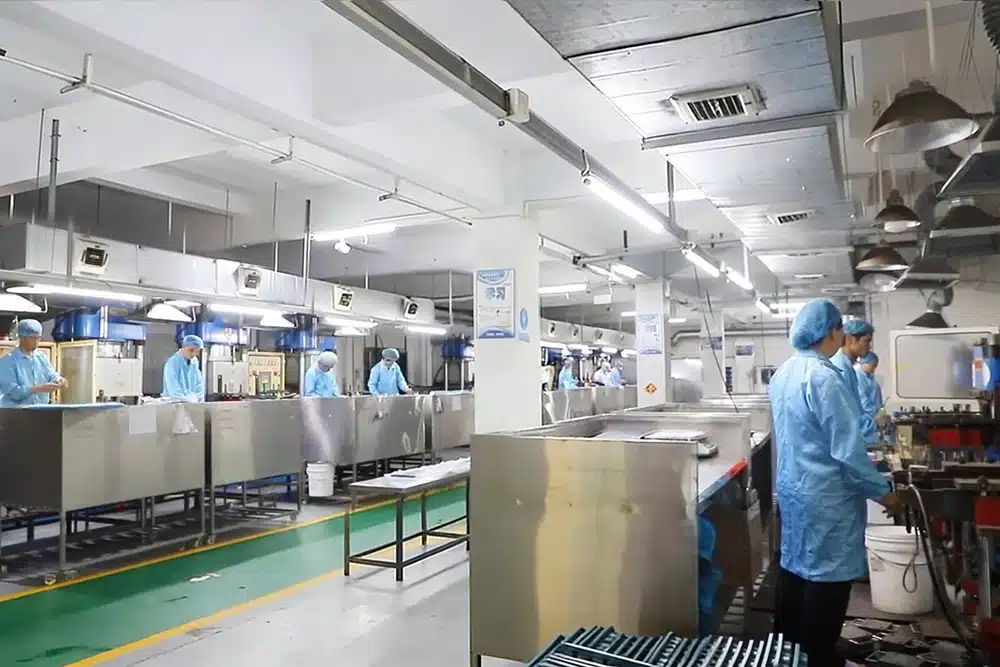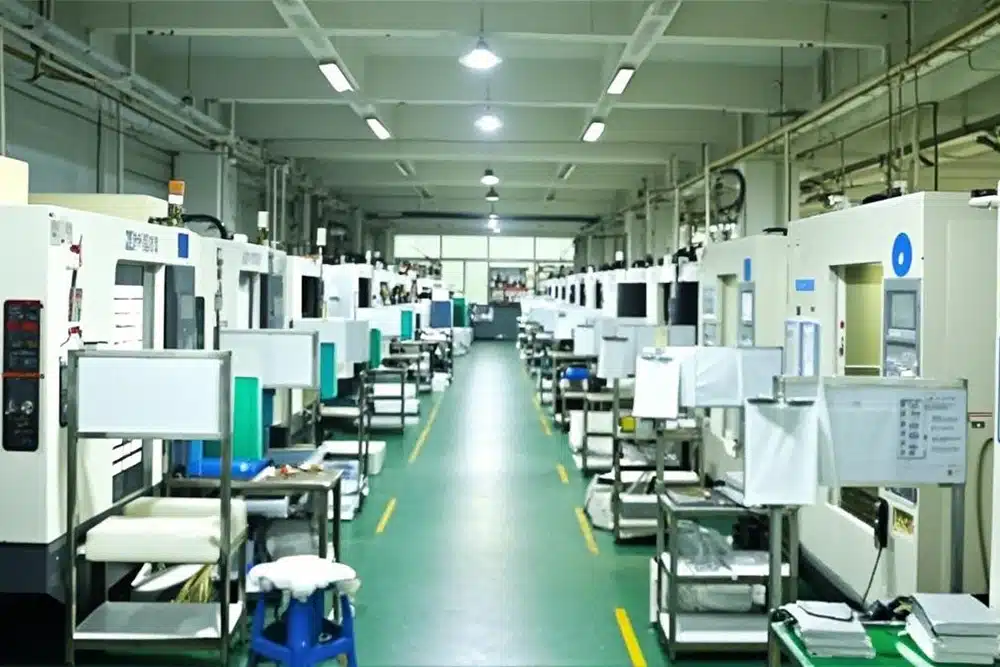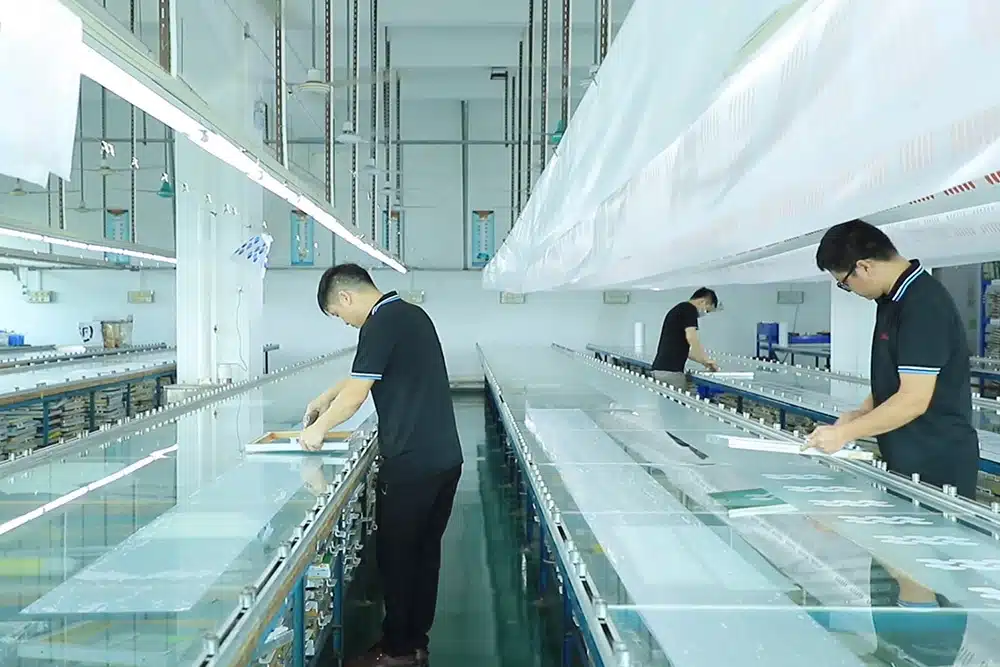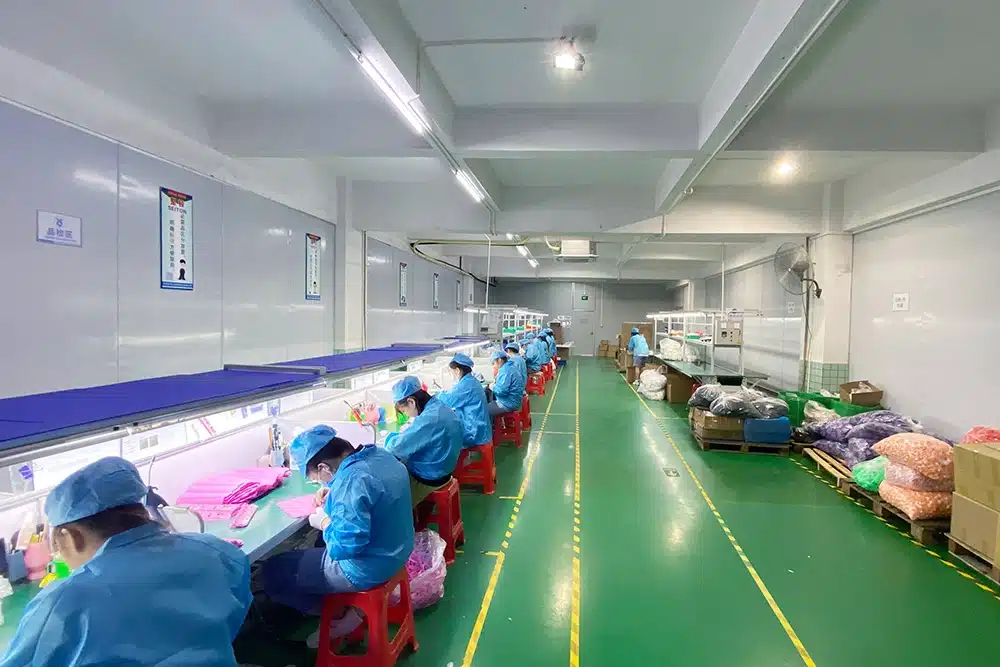

MOQ (Minimum Order Quantity) is the lowest quantity of custom silicone sleeves that a manufacturer can economically make for a given project. The silicone sleeve MOQ is influenced by various practical factors in the process of custom silicone sleeve production, including the setup of the silicone mold, preparation of silicone material, color matching, product size, logo printing method, material surface coating, packaging and inspection requirements. It’s not just a chance policy for suppliers, but a representation of the efficiency and cost distribution in production.
When considering custom silicone sleeve projects, MOQ is considered as part of the production planning process. The appropriate MOQ will vary based on the complexity of the design, material configuration, color and logo utilization, packaging volume, inspection requirements, and the production frequency. Many buyers take silicone sleeve MOQ for granted as a business choice, but it is actually directly related to the actual production factors such as mold set-up time, silicone material preparation, color mixing, machine scheduling, finishing set-up, and package labor.
What Does MOQ Mean in Custom Silicone Sleeve Manufacturing?
MOQ is the minimum order quantity and is the smallest quantity that a silicone sleeve manufacturer can reasonably accept, and remain viable for both parties. Custom Silicone Sleeves have the possibility of MOQ being applied to the entire project, each color, each size, each variation, each version of the logo, and/or each packaging configuration. It varies from prototype to trial order to mass production run and directly effects unit price, due to 1 time set up cost being evenly distributed by the number of pieces ordered. It is always necessary to ask the buyer whether the MOQ is per colour, per size or for the entire order.
| MOQ Term | Meaning for Buyers |
| Project MOQ | Minimum total order quantity for the full project |
| Color MOQ | Minimum quantity required for each custom color |
| Size MOQ | Minimum quantity required for each sleeve size or mold |
| Logo MOQ | Minimum quantity for each logo version or marking process |
| Packaging MOQ | Minimum quantity required for custom packaging materials |
| Trial Order | Smaller first run, usually with higher unit cost |
| Mass Production MOQ | Practical quantity for stable and efficient production |
Why Custom Silicone Sleeves Have MOQ Requirements
The MOQ requirement of custom silicone sleeves is due to the fact that each project requires initial setup prior to achieving an effective mass production. If the minimum run is not practical, the engineering costs for reviewing, the cost of the mold, the cost of batching materials, the time involved in quality checks, and the time spent by the factory in producing the product would make it unprofitable for the factory and make it more expensive per unit for the buyer.
| Production Factor | Why It Creates MOQ |
| Engineering review | Custom designs require technical evaluation before production |
| Mold setup | Molds must be installed, tested, and adjusted for production |
| Material preparation | Silicone must be mixed, weighed, and prepared for the project |
| Custom color mixing | Pigments and silicone compounds require batch preparation |
| Machine setup | Production equipment must be scheduled and configured |
| Logo process setup | Printing, engraving, or molded logo work requires setup time |
| Surface finishing | Coating, oil finishing, or texture control may add process steps |
| Inspection | Even small orders require fit, appearance, and quality checks |
| Packaging | Labels, bags, boxes, and cartons may have their own MOQ |
Key Factors That Affect Silicone Sleeve MOQ
The MOQ of silicone sleeves is not solely an absolute value but involves the production process as a whole. MOQ needs to be looked at with mold cost, material setup, color requirement, logo method, packaging, and long term order plans for buyers who are designing OEM silicone sleeves for special projects. Obviously, a simple bottle sleeve (from a pre-made mold) will have other points in consideration than a fully custom bottle sleeve.
| MOQ Factor | How It Affects Minimum Order Quantity |
| Fully custom mold | Usually requires a practical production run to justify tooling and setup |
| Existing mold | May allow lower-complexity sampling or smaller production discussions |
| Product size | Larger sleeves use more material and may affect production planning |
| Custom color | Each color may require separate material preparation |
| Multiple sizes | Each size may require a separate mold and MOQ discussion |
| Logo method | Printing, engraving, or molded logos may have setup requirements |
| Surface finishing | Coating or special finishing may increase process complexity |
| Packaging requirement | Custom boxes, labels, or inserts may have their own MOQ |
| Testing requirement | Reports and inspection may be more practical at certain quantities |
| Repeat order plan | Long-term volume can make MOQ and tooling more reasonable |
MOQ for Existing Mold vs Fully Custom Silicone Sleeves
There are significant differences between the MOQ count for both existing moulds and fully custom silicone sleeves depending on the need for new tooling. Sometimes molds already made can make the initial talk easier and reduce the amount of product needed to start, and in other cases, they can be the custom-made molds that require more engineering, sampling, set-up time.
| Project Type | MOQ Tendency | Buyer Consideration |
| Existing mold sleeve | Usually easier to discuss smaller quantities | Limited size, shape, and branding flexibility |
| Semi-custom sleeve | May allow some color/logo customization | Fit and design options may still be limited |
| Fully custom sleeve | Usually requires more practical production quantity | Best for exact fit, unique design, and brand differentiation |
| Custom protective cover | Often requires higher planning due to complexity | Buttons, ports, openings, and tolerances affect setup |
| Multi-size project | MOQ may apply per size | Each size may need separate tooling or production setup |
| Multi-color project | MOQ may apply per color | Each color requires separate material preparation |
How Color, Logo and Surface Finishing Affect MOQ
Sometimes buyers are not aware of the effects of colour, brand and surface finishes on silicone sleeve MOQ. The standard colours are simple, however the use of custom Pantone matching, multiple colours, or special finishes all have additional preparation and set-up steps that affect the practical minimum run.
| Customization Detail | MOQ Impact |
| Standard color | Usually easier than custom color matching |
| Pantone color | May require separate material preparation and approval |
| Multiple colors | MOQ may apply to each color |
| Embossed/debossed logo | Requires mold integration but may avoid printing setup |
| Silk screen printing | Printing setup may affect minimum production quantity |
| Laser engraving | Adds processing time and cost per piece |
| Soft-touch coating | Adds post-processing and inspection requirements |
| Multi-color molding | More complex setup and production control |
| Multiple logo versions | May require separate setup, inspection, and packaging control |
How Packaging Requirements Affect MOQ
Beyond the silicone sleeve, there can be additional MOQ requirements due to packaging needs. Bulk packing is flexible, whereas retail-ready boxes, branded inserts and Amazon-ready labels may have their own requirements for minimum volumes and print runs.
| Packaging Requirement | MOQ Consideration |
| Bulk packaging | Usually simpler and more flexible |
| Individual polybag | Adds labor and material planning |
| Retail box | Packaging supplier may require its own MOQ |
| Hang card | Printing and assembly may affect MOQ |
| Barcode / SKU label | More practical when quantity and SKU plan are clear |
| Instruction insert | Printing MOQ may apply |
| Amazon/ecommerce packaging | Labeling and carton requirements should be planned early |
| Custom branded packaging | Often has separate MOQ, printing setup, and lead time |
| Gift set packaging | More complex assembly may require higher planning quantity |
Prototype Quantity, Trial Order and Mass Production MOQ
The prototype quantity, trial order and mass production MOQ are quite different and should be addressed individually. Prototypes validate fit and function, trial orders validate market response, mass production validates cost and efficiency.
| Project Stage | Purpose | MOQ / Cost Expectation |
| Prototype sample | Confirm design, fit, color, logo, and material | Higher cost per piece; not mass production pricing |
| Trial order | Test market demand or first launch | Smaller quantity may be possible but unit cost may be higher |
| First mass production | Start stable supply after sample approval | MOQ should support efficient production |
| Repeat order | Restock or expand product line | May improve planning and cost stability |
| Annual production plan | Long-term OEM cooperation | Helps evaluate tooling, price breaks, and capacity |
How MOQ Affects Unit Price and Tooling Investment
One of the key financial factors that buyers need to consider is how MOQ impacts on the unit price and tooling costs. Fixed setup and tooling costs are distributed over the fewer number of components produced in smaller quantities, resulting in higher cost per unit, and larger quantities bring higher efficiency and lower price.
| Quantity Situation | Unit Price Impact | Buyer Consideration |
| Very small order | Higher unit cost | Setup cost is spread across fewer pieces |
| Trial order | Higher than mass production price | Useful for market testing but not ideal for long-term costing |
| Standard production MOQ | More balanced unit price | Supports practical factory setup |
| Larger order | Better cost efficiency may be possible | Requires stronger demand planning |
| Repeat order | More stable production planning | Helps supplier manage material and capacity |
| Multiple colors in small quantities | Higher complexity and cost | Simplify colors if MOQ is a concern |
Can Buyers Reduce Silicone Sleeve MOQ?
Even for high MOQ silicone sleeve, buyers can lower its MOQ by smart planning without affecting the quality and production feasibility. Selecting an existing mold, if appropriate, restricting colors and sizes for initial production run, and minimizing logo techniques are effective methods for making smaller initial orders possible, as are realistic annual forecasts.
| MOQ Optimization Method | Why It Helps |
| Use an existing mold if suitable | Reduces tooling and setup complexity |
| Start with one color | Simplifies material preparation |
| Start with one size | Avoids separate mold and size MOQ issues |
| Simplify logo method | Reduces setup and inspection complexity |
| Use practical packaging | Avoids packaging supplier MOQ problems |
| Share annual forecast | Helps manufacturer evaluate long-term potential |
| Plan repeat orders | Makes tooling and setup more reasonable |
| Accept higher unit price for trial order | Allows market testing without forcing large inventory |
| Finalize requirements early | Reduces rework, delays, and production inefficiency |
Common Mistakes Buyers Make When Discussing MOQ
Here are some frequent MOQ pitfalls encountered by buyers that can result in inaccurate estimates, delivery delays, or increased expenses.Here are some frequent MOQ pitfalls that buyers may encounter during discussions that can lead to inaccurate estimates, delays in production or higher overall expenses. Asking for a price before providing full project data, or considering sample pricing as a mass production price are the most common mistakes.
| Mistake | Better Approach |
| Asking MOQ without project details | Share product size, design, material, logo, and packaging first |
| Comparing MOQ only | Compare tooling, unit price, quality, packaging, and lead time too |
| Requesting many colors at low volume | Start with fewer colors or plan phased production |
| Ignoring size-based MOQ | Confirm whether MOQ applies per size |
| Ignoring packaging MOQ | Ask whether custom packaging has separate minimums |
| Treating sample quantity as production MOQ | Separate prototypes, trial orders, and mass production |
| Choosing only the lowest MOQ | Evaluate quality, tooling, communication, and QC capability |
| Changing design after quotation | Finalize requirements before confirming MOQ |
What Buyers Should Prepare Before Asking About MOQ
The MOQ preparation of a buyer is the key to how precise and useful the MOQ response is. Specify all information at the start of the project so that realistic guidance is provided, not general ones.
| Information to Prepare | Why It Helps MOQ Discussion |
| Product drawing or sample | Helps evaluate mold and production setup |
| Sleeve size and coverage | Determines material use and tooling planning |
| Material requirement | Affects material sourcing and preparation |
| Hardness preference | Helps select the right silicone compound |
| Color plan | Clarifies whether MOQ applies per color |
| Number of sizes | Clarifies whether separate molds or MOQs are needed |
| Logo method | Affects printing, engraving, or mold setup |
| Surface finishing | Adds process and inspection requirements |
| Packaging requirement | May create separate packaging MOQ |
| First order quantity | Helps manufacturer propose a practical production plan |
| Annual forecast | Supports better tooling and price planning |
| Timeline | Helps evaluate whether the MOQ and schedule are realistic |
How to Work With a Manufacturer on MOQ Planning
How to work with manufacturer on MOQ planning moves the discussion from the one-line number to a production discussion. A silicone sleeve manufacturer should be able to provide engineering review, material selection assistance, in-house mold design and tooling, compression molding capabilities, logo printing options such as silk screen, laser engraving, embossing, and surface finishing, as well as complete from raw material inspection to testing and clean assembly lines.
| Manufacturer Capability | Why It Helps MOQ Planning |
| Engineering review | Helps determine whether the design needs custom tooling |
| Material selection support | Clarifies material setup and color requirements |
| In-house mold capability | Helps evaluate tooling cost, cavity number, and production efficiency |
| Silicone molding experience | Supports realistic MOQ and cycle planning |
| Logo and finishing options | Helps determine setup requirements for branding |
| Packaging support | Identifies packaging MOQ and assembly requirements early |
| Sample development | Separates prototype needs from mass production MOQ |
| Quality control system | Ensures MOQ does not reduce inspection discipline |
| Export project experience | Helps align MOQ, lead time, documentation, and shipment planning |
Conclusion — MOQ Should Be Planned Around Real Production Needs
MOQ can be better understood when considered as part of the whole system instead of as a single number. The preparation of material, the setup of the mold, the processing time, inspection and packaging are all required for a customized silicone sleeve. These order plans should be specific and realistic, giving the manufacturer enough information to make a more realistic recommendation for the MOQ of a silicone sleeve and reduce any unnecessary costs or development risk. Considering the difference between prototype samples, trial order, and mass production, along with the investment of tools, the unit price, and repeat order potential results in smoother sourcing and better long term value in your brand.