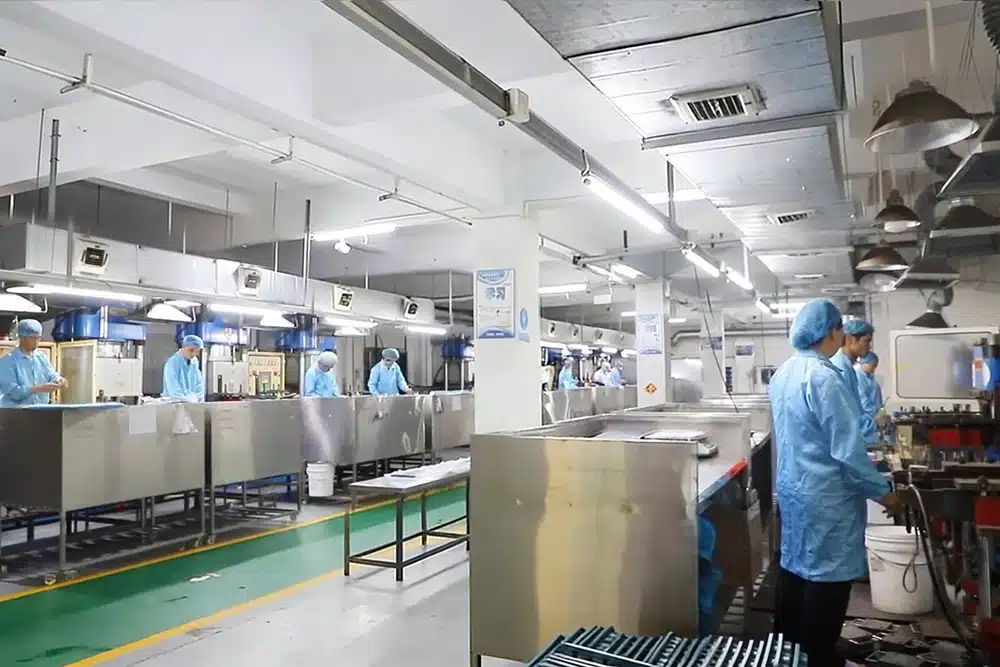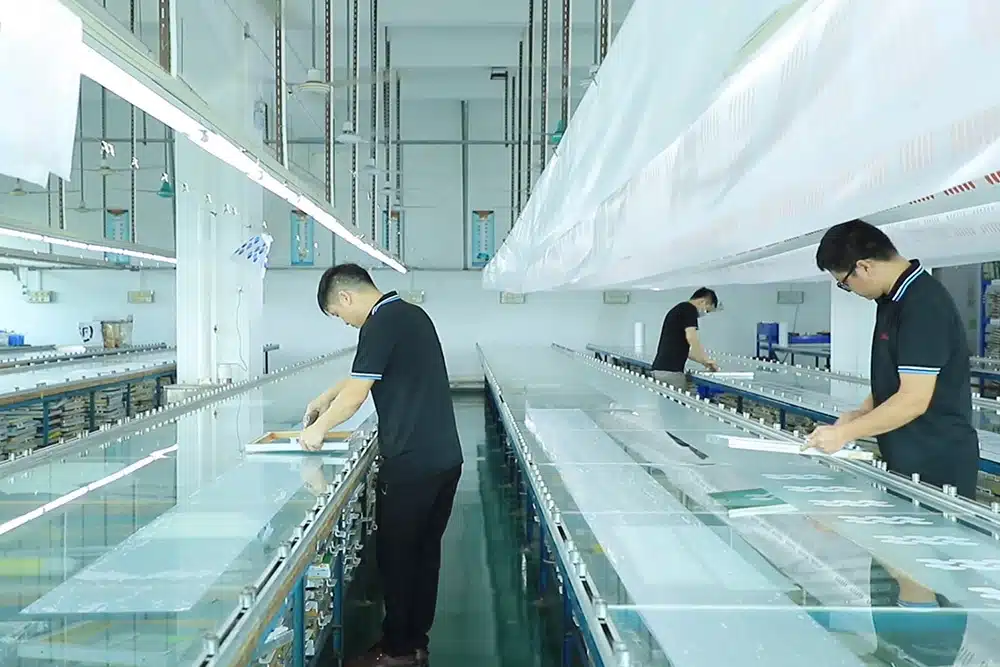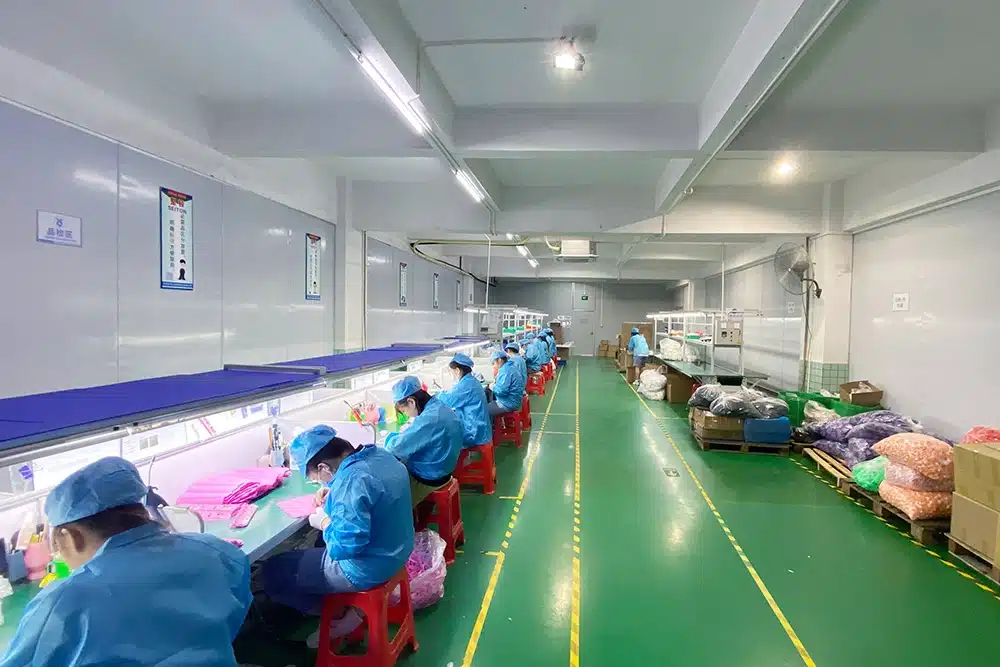

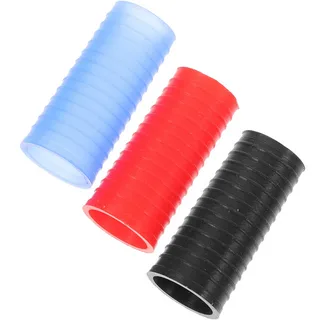
A silicone sleeve prototype is a physical prototype used to test your custom silicone sleeve design to make sure it fits, works properly, stretches and performs well before you start mass production. It is the fundamental link between the concepts of the digital and the product in reality, enabling you to verify key elements such as the wall thickness, Shore A hardness, grip, logo clarity, surface finish and installation on the actual product.
There are many purchasers that think a rendered polish silicone sleeve 3D CAD file is sufficient to approve production. In reality, the characteristics of the silicone material, such as the ability to shrink during cooling, the hardness it has at different temperatures, and how it fits with the tolerances of the product, often reveal the fact that there will be problems with the fit of the sleeve, rolling edges or an uncomfortable texture, which cannot be easily predicted from drawings. Rather than a visual test, using your silicone sleeve prototype as a real functional verification tool helps you discover issues early, minimize tooling changes, and build a solid ground for perfect consistency during silicone sleeve manufacturing.
What Is a Silicone Sleeve Prototype?
A silicone sleeve prototype is a physical, early sample created to test and confirm that the custom silicone sleeve design is viable, that the material will perform as required, and to confirm manufacturability.
Depending on the scope of the project it can be created using prototype tooling, a dedicated sample mold, or even production intent. The purpose of this is to test actual qualities which can not be fully captured in 3D drawings like sleeve flexibility over tapered surfaces, repeatability of the sleeve installation and ‘in the hand’ qualities. This is particularly critical for silicone custom sleeves that are manufactured for use in bottle sleeves, cup sleeves, electronics covers, beauty device protectors, pet products and industrial grips.
| Prototype Item | Explanation | Purpose |
| Verify fit, function, material feel, logo, texture, and manufacturability | Early physical sample | Confirm design works in real use |
| Starting Point | 3D CAD file, 2D drawing, product sample, or concept design | Foundation for accurate development |
| Common Checks | Fit, stretch, hardness, wall thickness, grip, color, logo, and edge quality | Ensure performance and quality |
| Typical Products | Bottle sleeves, cup sleeves, electronics covers, protective grips, beauty device covers | Industry-specific validation |
| Buyer Value | Reduces risk before tooling, mass production, packaging, and shipment | Cost and time savings |
| Production Link | Approved sample becomes the reference for bulk production | Consistency in mass production |
What Information Should Buyers Prepare Before Prototyping?
The silicone sleeve prototype development process is more accurate and efficient, resulting in less revisions in the future.
With full information at the beginning, engineers can determine the moldability of a part, fit risks, and whether production is possible. Incomplete or missing data can result in assumptions that can be seen as issues once the first sample is received.
| Information to Prepare | Why It Helps Prototype Development |
| 3D CAD file | Helps engineers evaluate shape, fit, mold structure, and manufacturability |
| 2D drawing | Defines dimensions, tolerances, and critical notes |
| Physical product sample | Allows real fit and installation testing |
| Sleeve coverage area | Determines material use and product function |
| Wall thickness target | Affects protection, flexibility, cost, and molding |
| Shore A hardness preference | Guides material feel, stretch, and shape retention |
| Material requirement | Supports food-grade, heat-resistant, UV-resistant, or general-use needs |
| Logo file | Allows review of embossing, debossing, printing, or engraving |
| Surface texture | Affects grip, comfort, and mold complexity |
| Quantity estimate | Helps plan prototype approach and future production method |
| Packaging requirement | Ensures the sample can be evaluated for final sales channel needs |
From 3D Drawing to Engineering Review
The first real filter that makes the difference between designs that are feasible and can move forward to mold development and those that will need tuning is a detailed engineering review of your silicone sleeve 3D drawing and supporting files.
Engineers review each piece of information in the 3D CAD model and 2D drawings to ensure manufacturability and to uncover any potential defects or possible solutions for improvement. Brand owners who wish to transition from concept design to approved samples can benefit from a prototype-to-production silicone sleeve service that can bridge the gap between engineering review, material selection, mold development, sample testing, and mass production planning.
Key areas are inner fit, wall thickness uniformity, stretch path, corner radius, port/buttons openings, placement of logo, parting line location, and demolding direction. Early feedback at this stage avoids costly mold changes in the future.
| Engineering Review Item | Why It Matters |
| Inner fit | Determines whether the sleeve stays secure |
| Wall thickness | Affects protection, flexibility, cost, and molding stability |
| Product tolerance | Prevents loose or over-tight fit problems |
| Installation path | Ensures the sleeve can stretch over the product |
| Corners and edges | May need reinforcement or softer transitions |
| Openings and cutouts | Must align with buttons, ports, sensors, or bottle features |
| Logo position | Avoids distortion or poor visibility |
| Texture design | Affects grip, comfort, cleaning, and mold complexity |
| Parting line | Influences appearance and trimming |
| Demolding direction | Affects mold feasibility and defect risk |
Material and Shore A Hardness Selection for Prototype Samples
For material and Shore A hardness selection, it is important to test samples of the actual prototype, not just paper prototypes.
Whether it is silicone that stretches or hardens with each stretch or hardens with use, or if it heats up with each use, depends on the silicone formulation chosen and the grade of the silicone. The appropriate silicone grade and hardness is a direct factor in the performance of the final custom silicone sleeve. Testing prototype samples makes sure that the chosen material will satisfy both functional and aesthetic needs in production.
| Material / Hardness Choice | Prototype Testing Focus |
| Softer silicone | Grip, stretch, installation, and edge stability |
| Medium hardness silicone | Balance of fit, flexibility, and structure |
| Firmer silicone | Shape retention, protection, and installation difficulty |
| Food-grade silicone | Suitability for drinkware, baby products, or food-contact claims |
| Heat-resistant silicone | Performance for hot cups, kitchenware, or warm environments |
| UV/weather-resistant silicone | Outdoor durability and surface stability |
| Soft-touch finish | Hand feel, wear resistance, and cleaning |
| Final production material | Ensures prototype results are meaningful for mass production |

Prototype Mold, Trial Mold or Production Mold: What Is the Difference?
The selection of the most appropriate prototyping technique is related to the design maturity, budget, time and the degree of faithfulness required for the sample to represent the future mass production.
Not all projects need to be produced using full production tooling to obtain the first sample. Early stage projects can sometimes commence with a more basic prototype tooling approach to establish basic fit and feel, whereas more advanced projects may go directly to production intent moulds to minimize the need for adjustments later in the project.
| Prototype Method | Best For | Limitation |
| 3D printed mockup | Visual shape review and early design discussion | Does not show real silicone feel, stretch, or hardness |
| Existing mold sample | Basic material or color reference | May not match final custom sleeve shape |
| Prototype / sample mold | Fit and design verification before full production | May add cost and time |
| Production-intent mold | Confirmed designs moving toward mass production | Design changes after tooling may be costly |
| Trial molding | Testing real silicone behavior from tooling | May require adjustment after first samples |
| Soft tooling | Early validation for some projects | May not fully match long-term production tooling |
What Should Buyers Check in a Silicone Sleeve Prototype?
Prototype approval shall be based on actual functional performance and not appearance alone.
Remove the silicone sleeve sample from the box and perform tests on the product during normal use. Be conscientious when it comes to installation, stability, hand feel and durability after stretching and cleaning over and over again.
| Prototype Checkpoint | What to Evaluate |
| Fit | Sleeve should stay secure without being too tight or too loose |
| Installation | Users should be able to install the sleeve without damage |
| Stretch recovery | Sleeve should return to shape after installation |
| Edge stability | Edges should not roll, lift, or deform easily |
| Wall thickness | Should match protection, comfort, and cost goals |
| Hardness | Should feel and perform as expected |
| Grip | Texture and material should improve handling |
| Logo | Should be clear, correctly positioned, and practical for production |
| Color | Should match approved sample or Pantone target |
| Surface finish | Should match visual and touch-feel requirements |
| Openings/cutouts | Must align with ports, buttons, screens, or product features |
| Packaging fit | Sample should work with planned packaging format |
Sample Approval: What Should Be Confirmed Before Production?
Clear, approved samples provide a documented reference which avoids disputes in mass production.
When you are convinced you have the right silicone sleeve sample, write down all of the crucial specifications. All future production runs are compared to this approved sample.
| Approval Item | What Should Be Locked |
| Material | Silicone grade and performance requirement |
| Shore A hardness | Approved feel, flexibility, and structure |
| Dimensions | Sleeve height, inner size, wall thickness, and key tolerances |
| Color | Pantone target or approved physical sample |
| Logo | Method, size, position, depth/height, and clarity |
| Texture | Pattern depth, feel, grip, and cleaning practicality |
| Surface finish | Matte, glossy, soft-touch, coated, or natural finish |
| Packaging | Bag, box, label, insert, carton, or retail packaging |
| Inspection standard | Fit, appearance, hardness, logo, and packaging criteria |
| Approval record | Written confirmation that sample is production reference |
How Prototype Results Affect Tooling, Cost and Lead Time
One of the most common issues with prototype feedback is that adjustments will be needed directly on the tooling, in the total project cost, and in the delivery timeline.
It is much cheaper to find problems at the sample stage than once the production tools have been cut or in the initial mass production runs. Common adjustments include minimal changes to dimensions, hardness, logo location or texture.
| Prototype Finding | Possible Project Impact |
| Sleeve too loose | Inner size or tolerance may need adjustment |
| Sleeve too tight | Opening size, hardness, or wall thickness may need revision |
| Edges roll up | Edge design, hardness, or thickness may need improvement |
| Logo unclear | Artwork, mold detail, or logo size may need adjustment |
| Color mismatch | Pigment formula or color approval may need another sample |
| Texture uncomfortable | Pattern depth or surface design may need revision |
| Installation difficult | Stretch path, hardness, or opening design may need review |
| Packaging does not fit | Packaging size or folding method may need adjustment |
| Surface finish wears quickly | Finishing process or material compatibility may need testing |
Common Mistakes During Silicone Sleeve Prototyping
Even the most savvy sourcing teams sometimes miss steps that result in additional rounds for samples or modifications to tools.
By steering clear of these potential pitfalls, you can get the prototype developed more quickly and keep the project on budget and on schedule.
| Mistake | Better Approach |
| Starting from photos only | Provide drawings, CAD files, or physical samples |
| Ignoring real fit testing | Test the prototype on the actual product |
| Choosing hardness by guesswork | Compare real samples when needed |
| Approving appearance only | Check fit, stretch, grip, edge stability, and usability |
| Changing design late | Finalize key structure before tooling |
| Ignoring logo feasibility | Review logo method before mold development |
| Skipping packaging review | Confirm packaging with sample dimensions |
| Not documenting approval | Record final material, color, dimensions, logo, and finish |
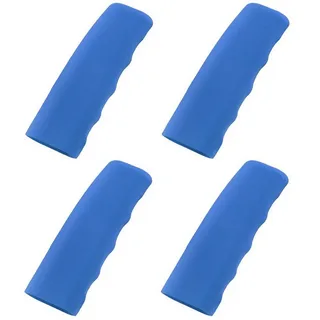
What Buyers Should Prepare for a Smooth Prototype Process
When the buyer provides the manufacturer with well-structured and comprehensive information about the project from its outset, the manufacturer can create and provide a superior prototype for the silicone sleeve.
Documentation can be organized so as to accelerate the engineering review process, lessen back-and-forth communications, and help the team produce a sample that will be closer to the desired final product.
| Information to Prepare | Why It Helps |
| Product sample | Allows real fit and installation testing |
| 3D CAD file | Helps evaluate shape, mold structure, and sleeve geometry |
| 2D drawing | Defines dimensions, tolerance, and technical notes |
| Sleeve coverage | Determines function, material use, and design direction |
| Wall thickness target | Supports protection, comfort, and cost planning |
| Hardness preference | Guides material selection and sample feel |
| Logo file | Helps evaluate embossing, printing, engraving, or debossing |
| Surface texture | Affects grip, appearance, comfort, and mold complexity |
| Color requirement | Supports Pantone matching and sample approval |
| Packaging requirement | Ensures sample matches final sales channel planning |
| Quantity estimate | Helps plan tooling, MOQ, and production strategy |
| Timeline | Helps evaluate prototype, tooling, and production schedule |
How to Work With a Manufacturer From Prototype to Production
The key is to partner with a custom silicone sleeve manufacturer that can help you through the entire process, from initial engineering review to continuous mass production.
When looking for a manufacturer, check if they design and handle molds themselves, have engineers experienced in material and hardness selection, can provide compression molding and co-injection services if necessary, and can provide a full range of surface finishing services, such as silk screen printing, laser engraving, embossing, and soft-touch coating. Encouraging raw material inspection, thorough testing and clean assembly and packing lines optimize the chances of the approved silicone sleeve sample making it to reliable production runs.
| Manufacturer Capability | Why It Matters From Prototype to Production |
| Engineering review | Helps identify fit, wall thickness, and tooling risks early |
| Material selection support | Ensures the prototype uses a realistic production material |
| Hardness guidance | Balances grip, flexibility, protection, and installation |
| In-house mold capability | Supports faster mold adjustment and production planning |
| Silicone molding experience | Helps make prototypes that reflect real production conditions |
| Surface finishing options | Allows logo, texture, and touch-feel validation |
| Sample approval process | Creates a clear production reference |
| Quality control system | Confirms mass production matches approved samples |
| Packaging support | Helps prepare products for retail, ecommerce, or OEM delivery |
Conclusion — A Good Prototype Reduces Risk Before Mass Production
A quality silicone sleeve model confirms the fit, stretch, hardness, wall thickness, logo quality, surface finish, texture, ease of fitting and overall production viability before actual production commences. Although 3D drawings and Cad files are useful points of reference, only an actual test with the product will give an accurate gauge of how the custom silicone sleeve will actually function in everyday use.
Having clear documentation on the approved sample helps to avoid misunderstandings and costly changes later on as it includes all of the specifications, including material grade and packaging. Prototype feedback typically results in a few minor changes in design, tooling or material that can make a huge difference, but it’s always much easier to make these changes in the prototype phase, not in mass production.
In conclusion, the prototype process is a step toward instilling confidence in your final product of custom silicone sleeves that it will fulfill performance and brand specifications. Our team of experienced professionals takes you through the entire process and we have in-house mould making, material optimisation, sample development and quality controlled production capabilities at Dongguan HT Silicone & Rubber Co., Ltd. As soon as you’re ready to take your idea and run with it in a reliable and quality silicone sleeve, we’re here to help make the leap from prototype to production as smooth as possible.