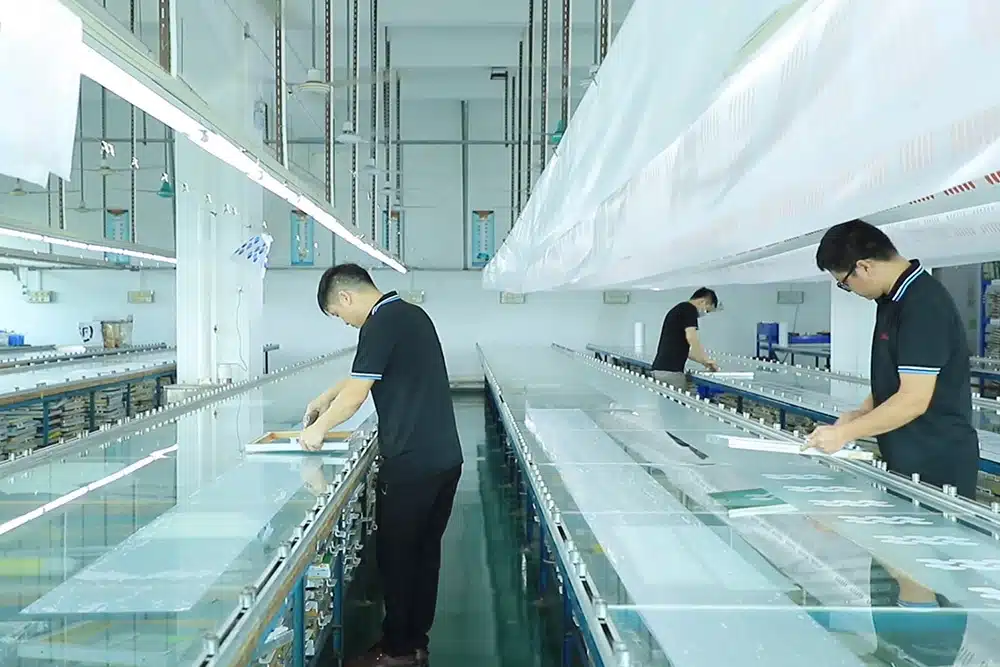

A silicone quality control checklist is a critical guide for OEM buyers and manufacturers to agree on product requirements, inspection criteria, material specifications, sample approval, production process controls, packaging standards, and batch release conditions to ensure the transformation from prototype to mass production of a custom silicone product is smooth and efficient.
Many variables – material hardness, color match, melt flow, wall thickness, curing time, surface finish, fit and application performance – are involved in custom silicone products that can introduce issues such as bubbles, flash, dimensional inconsistencies or contamination if not caught early. A well-implemented silicone quality control checklist helps to avoid these pitfalls, and costly rework, and delivers a high-quality product with batch-to-batch consistency.
When it comes to custom silicone products, quality control should start with prototype and specification reviews, not post-final inspection. Buyers often assume that quality control is only important during mass production, but actually most problems in custom silicone product manufacturing can be avoided in the design review, material selection, mold making and sample approval stages.
A practical silicone quality control checklist will ensure that both buyers and manufacturers agree on material selection, sample approval, inspection, packaging and batch tracking before the product goes to mass production. This helps ensure product quality, and enhances communication across the project team.
What Is a Silicone Quality Control Checklist?
A silicone quality control checklist is a step-by-step document that outlines the entire project, not just final inspection. It is not simply final inspection, but considers risks at each stage of the process, starting with requirements collection and continuing through post-production traceability.
This communication tool ensures buyers, product design, manufacturing, quality control and packaging personnel can share information. Every custom silicone product is different, depending on the application in kitchenware, baby, pet, personal care, automotive and industrial products, so the checklist should be tailored to the specific product and risk assessment.
| Checklist Area | What It Covers | Why It Matters |
| Requirement review | Product use, drawings, tolerance, color, hardness, packaging | Aligns buyer expectations before development |
| Material control | Silicone grade, hardness, safety documents, pigment, inserts | Reduces material-related defects |
| Mold and prototype | DFM, mold structure, venting, sample testing | Prevents tooling and design problems |
| Production control | Molding parameters, curing, in-process inspection | Maintains consistency during mass production |
| Final inspection | Appearance, dimensions, function, packaging, labeling | Confirms shipment readiness |
| Traceability | Material batch, production batch, inspection records | Supports root-cause analysis and repeat orders |
Stage 1: Requirement Review Checklist
Product requirement review is the first and most important quality-control process in a custom silicone product manufacturing project because vague or incomplete product specifications almost inevitably result in inaccurate product quotes, mismatched material options, tooling changes and inspection disputes down the track.
Both buyers and manufacturers should review and document the product’s details. This up-front agreement avoids issues further down the line, and establishes expectations for the overall project.
| Requirement Item | What to Confirm | Why It Matters |
| Product application | How and where the silicone product will be used | Guides material, hardness, and testing decisions |
| 3D CAD file | Product structure and geometry | Supports DFM and mold planning |
| 2D drawing | Dimensions, tolerances, and technical notes | Defines inspection criteria |
| Critical dimensions | Fit, sealing, assembly, thickness, openings | Prevents functional failure |
| Tolerance requirements | Allowed variation on key features | Ensures functional and assembly performance |
| Material hardness | Target Shore A or approved sample reference | Controls softness, flexibility, and performance |
| Color requirements | Pantone, physical sample, or approved color standard | Reduces color mismatch risk |
| Surface finish | Matte, glossy, texture, logo, printing, coating | Affects mold design and cosmetic inspection |
| Logo or printing requirement | Position, method, and durability specs | Ensures branding consistency |
| Assembly or fit requirement | How parts interact with other components | Defines testing and acceptance standards |
| Target market | Regulatory needs and end-user expectations | Determines compliance documents |
| Annual volume estimate | Expected production quantities | Influences process selection and costing |
| Packaging requirement | Inner bag, label, carton, retail packaging, shipment protection | Prevents contamination, deformation, and shipment errors |
Stage 2: Material Selection and Verification Checklist
Selecting the right material for custom silicone products is one of the most important quality control decisions because the final part is directly dependent upon the formulation’s hardness, purity and processability.
Collaborate with your supplier to confirm that the chosen material meets functional, as well as any regulatory, needs for your market. Be sure to request documentation early.
| Material Checklist Item | What to Verify | Quality Risk If Ignored |
| Silicone grade | Suitable material for product function and market | Poor durability or wrong application fit |
| Shore A hardness | Softness, flexibility, stiffness, or sealing requirement | Product may feel or perform incorrectly |
| Heat resistance | Required use temperature or exposure condition | Deformation, odor, or performance failure |
| Tear/tensile strength | Stretching, pulling, or durability needs | Tearing or premature failure |
| Compression set | Shape recovery for seals, mats, or cushioning parts | Poor sealing or long-term deformation |
| Pigment/colorant | Approved color formula and material compatibility | Color variation or contamination |
| Food-contact documents | FDA/LFGB-related documents when required | Compliance or buyer approval risk |
| Material batch record | Lot number, supplier, inspection result | Weak traceability if quality issue occurs |

Stage 3: Mold Development and Prototype QC Checklist
The mold and prototype development stage is an ideal time to detect and eliminate many typical defects in silicone products before commencing production.
During manufacturability reviews, watch out for factors influencing molding. Then the prototype parts offer the first opportunity to prove the design in production.
| Mold/Prototype Checklist Item | What to Check | Why It Matters |
| Wall thickness | Uniformity, thick areas, thin weak sections | Reduces shrinkage, deformation, and curing issues |
| Parting line | Position and cosmetic impact | Reduces visible flash or appearance complaints |
| Venting design | Air release path | Helps prevent bubbles and voids |
| Shrinkage allowance | Material behavior and mold compensation | Improves dimensional accuracy |
| Demolding method | Ease of removing parts without tearing | Reduces deformation and damage |
| Insert positioning | Alignment of plastic or metal inserts where applicable | Prevents bonding or assembly failure |
| Mold surface finish | Texture, polish, or pattern requirements | Affects final appearance and surface defects |
| Prototype testing | Size, color, hardness, function, appearance | Confirms readiness before mass production |
Stage 4: Sample Approval Checklist Before Mass Production
Approval of the sample sets the reference for manufacture, inspection, and acceptance.
This quality gate defines the agreed standards of visual, dimensional, functional and aesthetic parameters before mass production. Keep approved samples at the buyer and manufacturer sites for reference.
| Sample Approval Item | What to Confirm |
| Appearance | Surface quality, texture, shape, flash, burrs, stains, and visible defects |
| Color | Match with approved sample, Pantone, or buyer reference |
| Hardness | Shore A hardness or physical feel standard |
| Dimensions | Critical fit, sealing, thickness, openings, and assembly points |
| Function | Stretching, grip, sealing, flexibility, compression, or bonding |
| Logo/printing | Position, clarity, adhesion, and durability where required |
| Odor/cleanliness | Suitable odor level and no visible contamination |
| Packaging sample | Inner bag, label, carton, retail packaging, and protection method |
| Approved sample retention | Factory keeps reference sample for production and final inspection |

Stage 5: Incoming Material Inspection Checklist
Incoming material inspection ensures accuracy of materials before production.
This is the first barrier against material issues. Check and record raw silicone, pigments, additives, inserts and packaging supplies.
| Incoming Inspection Item | What to Check |
| Silicone material | Grade, batch number, hardness, appearance, storage condition |
| Pigments/colorants | Color code, batch number, approved formula, contamination risk |
| Additives | Type, compatibility, shelf life, document support |
| Inserts | Size, surface cleanliness, coating, material compatibility |
| Packaging materials | Cleanliness, label accuracy, carton strength, size |
| Supplier documents | COA, MSDS, compliance documents when required |
| Material status | Accepted, pending, rejected, or quarantined |
| Storage condition | Clean, labeled, sealed, and separated by batch |
Stage 6: In-Process QC Checklist During Silicone Molding
In-process QC eliminates recurring defects by identifying issues during the process. This helps us deliver consistent quality in custom silicone product manufacturing across every batch.
First piece inspection and continuous monitoring of critical parameters keep the process on track and detect variations as they occur.
| In-Process QC Item | What to Monitor | Defect Risk Controlled |
| First-piece inspection | First molded parts before full production | Wrong settings or sample mismatch |
| Mold temperature | Stability during molding | Under-curing, deformation, surface defects |
| Pressure/material amount | Filling and compression condition | Flash, incomplete filling, bubbles |
| Curing time | Cycle time and curing completeness | Sticky surface or weak performance |
| Mold cleanliness | Mold surface, venting, parting line | Stains, black spots, flash, voids |
| Color consistency | Compare with approved sample | Batch color variation |
| Dimensional sampling | Critical size and fit points | Shrinkage, tolerance drift |
| Functional spot check | Fit, grip, stretch, sealing, bonding | Functional failure |
| Defect logging | Type, time, batch, possible cause | Repeated defects and unclear root cause |
Stage 7: Final Inspection Checklist Before Shipment
Final inspection ensures readiness for shipment but shouldn’t be the last form of QC. We maintain rigorous processes to meet the highest international quality standards for every custom silicone product.
Skilled inspectors assess batches against approved samples and drawings according to sampling plans based on the product risk class.
| Final Inspection Item | What Inspectors Should Confirm |
| Appearance | No unacceptable flash, burrs, bubbles, stains, deformation, scratches |
| Dimensions | Critical measurements match drawing or approved tolerance |
| Hardness | Shore A range matches specification if required |
| Color | Matches approved sample or color standard |
| Function | Product fits, seals, grips, stretches, bonds, or assembles as required |
| Cleanliness | No visible dust, hair, fibers, oil marks, or contamination |
| Packaging | Correct inner bag, carton, label, SKU, and packing method |
| Label and barcode verification | Accuracy and legibility |
| Quantity check | Correct count per bag, carton, and shipment |
| Batch record review | Material, production, inspection, and packaging records are complete |
| Shipment release | Approved batch is released after final QC confirmation |

Stage 8: Packaging and Shipment QC Checklist
Packaging quality ensures the safe storage, handling and transportation of finished silicone products.
Good packaging protects against contaminants, deformities and transportation errors damaging the otherwise quality products.
| Packaging QC Item | Why It Matters |
| Clean inner packaging | Prevents dust, fibers, stains, and contamination |
| Product arrangement | Reduces compression marks, deformation, and scratches |
| Carton strength | Protects goods during storage and transportation |
| SKU/color separation | Prevents mixed shipments |
| Batch marking | Supports traceability after shipment |
| Label/barcode check | Reduces retail, warehouse, and receiving errors |
| Quantity confirmation | Prevents short shipment or overpacking |
| Packing record | Links carton, quantity, batch, and shipment information |
Stage 9: Batch Traceability and Quality Records Checklist
Quality records are used to solve problems, re-order items, and hold people accountable.
Full traceability connects all parts of the process to batches, allowing for rapid investigation in the event of a problem.
| Traceability Record | Why It Should Be Kept |
| Material batch number | Identifies raw material used in production |
| Pigment/color batch | Supports color consistency and repeat-order control |
| Mold number | Helps trace tooling-related problems |
| Machine number | Helps review process variation |
| Production date and shift | Identifies when and where products were produced |
| Operator/QC inspector | Supports accountability and investigation |
| Inspection records | Confirms QC checks were completed |
| Packaging carton number | Helps locate affected cartons after shipment |
| Shipment record | Links production batch to customer delivery |
| Corrective action record | Shows how defects were handled and prevented |
Stage 10: Nonconforming Product and Corrective Action Checklist
A QC checklist needs to cover what to do when defects occur.
Immediate segregation, investigation into root cause and prevention turn an issue into an opportunity to improve the process.
| Corrective Action Step | What to Do |
| Identify nonconformance | Define defect type, severity, quantity, and affected batch |
| Separate products | Prevent defective parts from mixing with accepted products |
| Label product status | Mark pending, rework, rejected, or accepted clearly |
| Investigate root cause | Review material, mold, process, operator, inspection, and packaging records |
| Correct the issue | Adjust process, repair mold, retrain staff, replace material, or improve packaging |
| Re-inspect | Confirm corrected products meet standards |
| Record action | Document problem, cause, action, result, and responsible person |
| Prevent recurrence | Update SOP, inspection checklist, training, or process control if needed |
How OEM Buyers Should Use This Checklist Before Approving Mass Production
The silicone quality control checklist can be used by an OEM buyer as an effective tool to communicate with the manufacturer before pre-approval and mass production.
By having these conversations upfront, buyers can establish mutual expectations and minimise the possibility of confusion or rework.
| Buyer Action | Why It Helps |
| Provide 3D CAD and 2D drawings | Reduces unclear design and tolerance issues |
| Confirm approved sample | Creates a reference for production and inspection |
| Define critical dimensions | Helps supplier focus on functional areas |
| Confirm material hardness | Prevents wrong feel, flexibility, or performance |
| Approve color standard | Reduces color mismatch risk |
| Define functional test | Ensures the part is tested based on real use |
| Confirm packaging method | Prevents deformation, contamination, and shipment damage |
| Ask for QC workflow | Shows whether supplier controls quality before final inspection |
| Confirm traceability | Helps solve future quality issues faster |
| Agree on defect handling | Clarifies rework, rejection, and corrective action expectations |
Common Mistakes When Using a Silicone QC Checklist
For a checklist to be effective, it must be specific, practical and consistent.
Even well-experienced teams can fall prey to these, which can hamper their quality processes.
| Checklist Mistake | Better Practice |
| Using a generic checklist | Adapt checklist to product application, risk, and buyer requirements |
| Starting at final inspection | Begin QC at requirement review and sample development |
| No approved sample | Confirm and retain approved samples before production |
| No tolerance standard | Define critical dimensions and inspection method |
| No material requirement | Confirm silicone grade, hardness, and performance needs |
| No packaging requirement | Define inner packing, cartons, labels, and protection method |
| No defect classification | Agree on critical, major, and minor defect criteria |
| No traceability record | Link material, production, inspection, packaging, and shipment data |
| No corrective action plan | Define how defects are isolated, investigated, corrected, and prevented |
Conclusion — A Silicone QC Checklist Reduces Risk Before Mass Production
An effective silicone quality control checklist provides a common approach for buyers and manufacturers to manage quality of custom products before they go to mass production. Through early confirmation of requirements, materials, molds, samples, inspections, packaging, traceability and corrective actions, OEM quality teams can eliminate preventable defects and contribute to higher consistency in manufacturing silicone products from prototypes through production.
Inspect after you review requirements. By confirming these practical actions, buyers and manufacturers avoid bottlenecks, improve production efficiency and gain confidence in the quality of each batch of products – whether intended for retail or niche industrial applications. Our full-service OEM silicone manufacturing capabilities make this entire quality journey seamless and reliable.