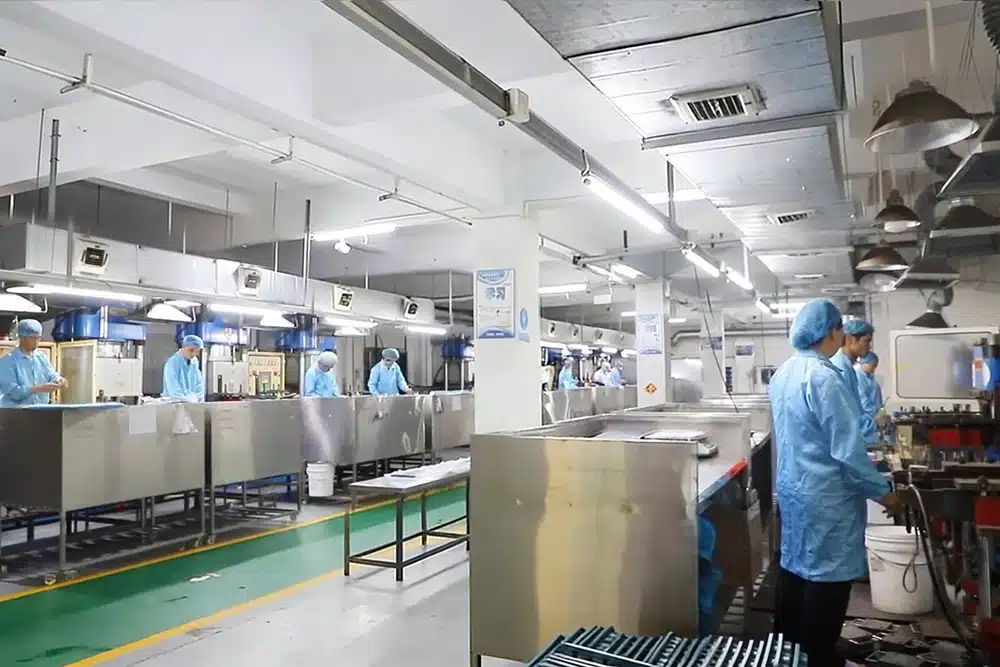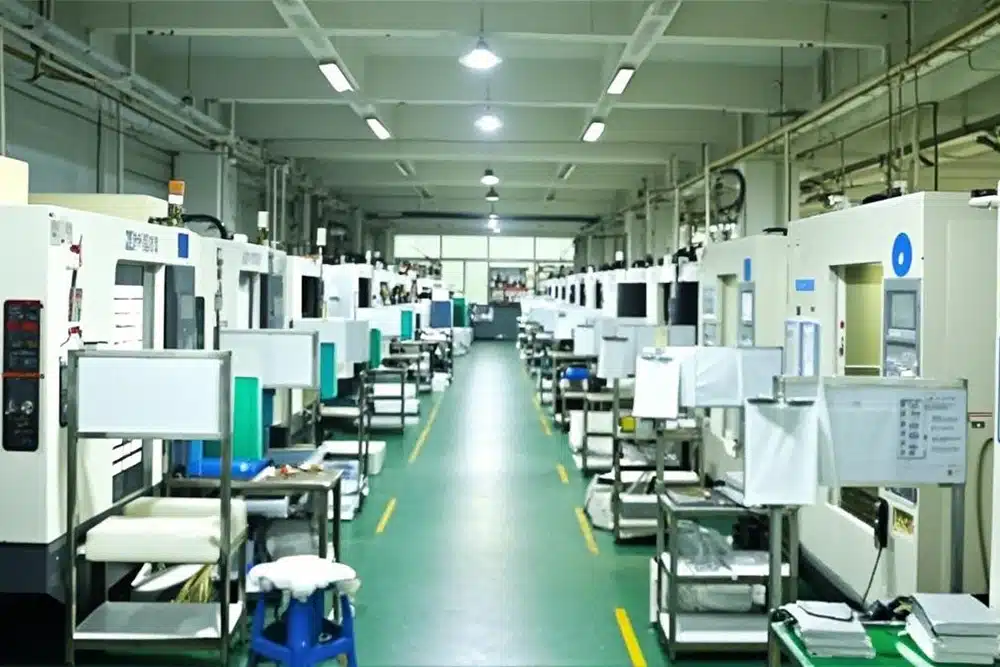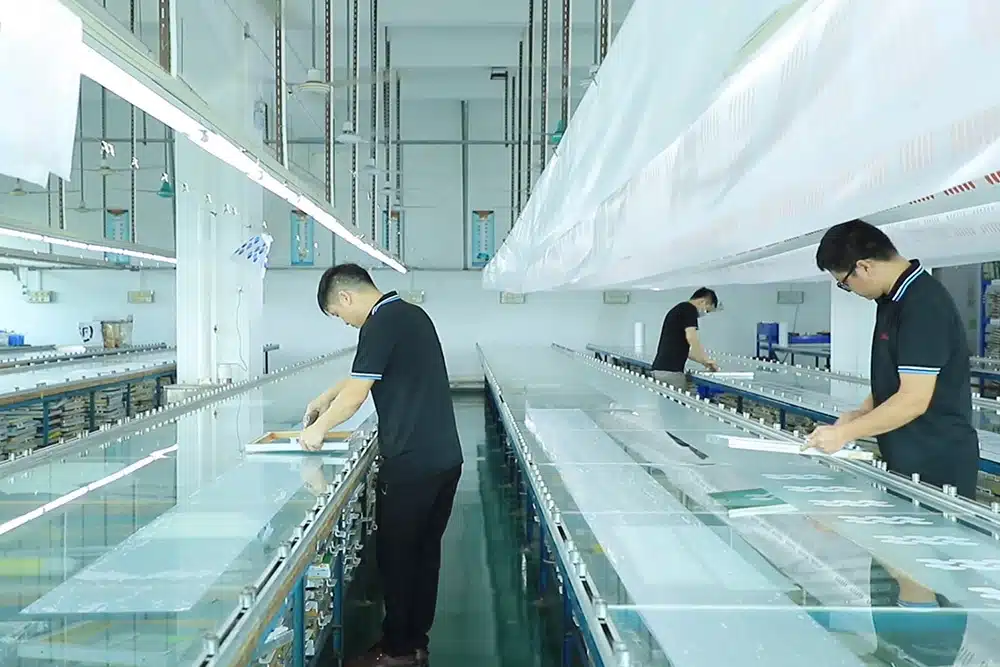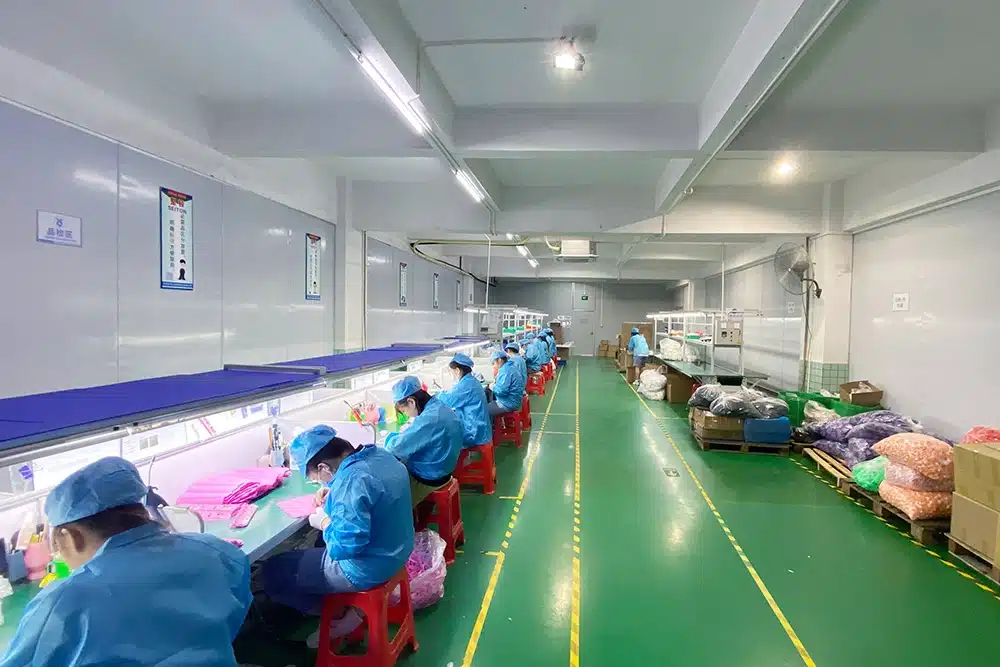

In silicone production, batch traceability is the method of linking raw materials, production parameters, inspection reports, packaging labels, and shipping labels. It enables manufacturers and OEM buyers to track the source of every product batch, how it was produced, and the product batches involved if there’s a quality issue with a product. It’s a vital tool for OEM and ODM projects to support quality assurance, troubleshooting, regulatory compliance, and maintain consistency across multiple batches of production.
In reality, batch traceability allows issues to be traced back to particular batches of raw material, batches of molded parts, or stages in the production process, rather than the whole production run. This feature is crucial for custom silicone products for safety-critical uses such as food-safe kitchenware, baby products or automotive parts. Customers often only look at samples or final inspection certificates. But without solid traceability schemes, it’s difficult to determine whether a quality problem is due to variation in incoming material, mold or machine settings, or handling.
For OEM silicone projects, batch traceability is not an administrative process, but rather a quality control measure that allows manufacturers to pinpoint, isolate and resolve issues before they impact more clients or new orders.
What Is Batch Traceability in Silicone Manufacturing?
A reliable silicone product batch traceability system is more than just batch numbers stamped on the product itself. It establishes a seamless record system from raw material receipt to shipment. In the custom silicone industry, where products can differ for each customer, by colour, hardness and use, this linked documentation system enables quality control and accountability.
Traceability is more than just batch coding – it connects multiple data points. This allows for quick diagnosis when problems arise days or weeks down the track.
| Traceability Element | What It Tracks | Why It Matters |
| Raw material batch | Silicone compound, pigments, additives, inserts | Identifies material-related risks |
| Production batch | Production date, machine, mold, operator, process parameters | Helps locate process-related causes |
| Inspection record | Incoming, in-process, and final inspection results | Shows whether quality checks were performed |
| Packaging record | Packing date, carton information, labels, quantity | Prevents mixed batches and shipment errors |
| Shipment record | Customer order, batch release, delivery details | Helps locate affected goods if an issue occurs |

Why Batch Traceability Matters for OEM Silicone Projects
OEM projects generally require special formulations, multiple production cycles, narrow tolerances and buyer-controlled quality standards, requiring full batch traceability in OEM & ODM silicone manufacturing. These projects run for months to years, and involve multiple production runs.
Good traceability alleviates the concerns that procurement and quality professionals have in practice.
| OEM Concern | How Batch Traceability Helps |
| Repeat order consistency | Links each batch to material, process, and inspection records |
| Defect investigation | Helps identify whether the issue came from material, mold, machine, or handling |
| Rework control | Limits affected quantity instead of questioning the entire order |
| Customer complaints | Provides records to support faster response and corrective action |
| Compliance documentation | Supports audits and regulated product requirements for international quality standards. |
| Color or hardness variation | Helps compare material and production batches |
| Supplier evaluation | Shows whether the factory has disciplined QC management |
| Long-term production | Builds a quality history for continuous improvement |

What Records Should Be Included in a Silicone Batch Traceability System?
When it comes to batch traceability in silicone manufacturing, it’s about more than a label or code – it’s about connection. A full system records information at each step to ensure that data is never lost or inaccessible, starting with robust silicone material selection records that link product quality to incoming materials.
| Record Type | Information to Capture | Quality Value |
| Material record | Supplier, lot number, hardness, color, certificate | Links product quality to incoming materials |
| Color record | Pigment batch, approved sample, color comparison result | Supports color consistency investigation |
| Mold record | Mold number, maintenance status, trial result | Helps detect tooling-related variation |
| Machine record | Machine number, temperature, pressure, cycle time | Supports process stability analysis |
| Production record | Date, shift, operator, quantity, batch number | Identifies when and where products were made |
| Inspection record | Incoming, in-process, final inspection results | Confirms quality checks and acceptance status |
| Packaging record | Packing method, label, carton number, quantity | Prevents packing errors and mixed batches |
| Shipment record | Customer order, release date, batch shipped | Helps locate affected products after delivery |
| Corrective action record | Defect type, cause, action, verification | Supports continuous quality improvement |
How Batch Traceability Supports Quality Control and Root-Cause Analysis
When something goes wrong, whether during final inspection, after the buyer receives the product, or even months down the road, batch traceability can be used to quickly troubleshoot the issue. Rather than guesswork, they can refer to particular records to identify likely suspects.
| Quality Problem | Traceability Records to Review |
| Color difference | Pigment batch, silicone material lot, approved sample record, production date |
| Hardness variation | Material lot, Shore hardness record, curing parameters, batch test results |
| Bubbles or voids | Mold venting record, machine setting, operator record, in-process inspection |
| Flash or burrs | Mold condition, pressure setting, trimming record, final inspection result |
| Surface contamination | Material storage, production environment, handling, packaging record |
| Deformation | Mold design notes, curing/cooling parameters, packing method, carton stacking |
| Wrong label or mixed SKU | Packaging record, label verification, carton number, shipment record |
| Customer complaint | Shipment batch, final inspection record, production batch, corrective action file |
Batch Traceability Across the Silicone Manufacturing Workflow
Traceability should be logical and follow the product from the beginning of the production process to the end to produce a complete chain of custody. For silicones, this includes recording decisions and verifications from the arrival of raw materials to the packed product arriving at the shipping dock.
| Manufacturing Stage | Traceability Focus |
| Material receiving | Supplier, lot number, certificate, receiving date |
| Incoming inspection | Inspection result, material approval or rejection |
| Material storage | Storage condition, material status label, shelf life |
| Material preparation | Color formula, mixing record, batch allocation |
| Mold setup | Mold number, setup approval, trial result |
| Molding production | Machine, operator, date, cycle parameters, output quantity |
| In-process inspection | Sampling results, defect records, corrective actions |
| Secondary processing | Trimming, printing, spraying, assembly, operator record |
| Final inspection | Inspection result, sample comparison, acceptance decision |
| Packaging | Carton number, label, quantity, batch separation |
| Shipment release | Customer order, batch release approval, delivery record |
Common Traceability Gaps That Create Quality Risk
Even competent manufacturers may have traceability gaps. These may not directly result in defects, but they slow down the investigation process, increase costs and add to the risk of the situation.
| Traceability Gap | Possible Risk |
| Missing material lot number | Cannot identify whether a defect came from raw material |
| Mixed material batches | Hard to isolate affected products |
| No mold number recorded | Tooling-related defects become difficult to trace |
| No machine parameter record | Process variation cannot be analyzed accurately |
| No in-process inspection record | Repeated defects may go unnoticed |
| Unclear packaging record | Mixed SKU, mixed color, or wrong label risk increases |
| No corrective action record | Same defect may repeat in future orders |
| No retained sample | Harder to compare complaint products with approved quality |
How Batch Traceability Helps OEM Buyers Reduce Risk
The benefits of a solid traceability system for OEM buyers are peace of mind and convenience. It transforms quality conversations from “he said-she said” to documented truth, allowing effective engagement with suppliers.
| Buyer Benefit | Practical Meaning |
| Faster issue response | Supplier can check records instead of relying on memory |
| Defect isolation | Only affected batches need review instead of all shipments |
| Better repeat-order control | New batches can be compared with previous production records |
| Stronger audit support | Material, production, and inspection records are available |
| Improved supplier accountability | Quality problems can be tied to real production data |
| Reduced business disruption | Problems can be handled with less delay and uncertainty |
| Better quality improvement | Repeated issues can be tracked and corrected systematically |
How to Evaluate a Silicone Supplier’s Batch Traceability System
Savvy OEM buyers evaluate a supplier’s batch traceability program before proceeding with a mass production program, particularly if it is a custom or high-volume application. A series of questions helps determine if the supplier considers traceability a science or an art.
| Buyer Question | What a Qualified Supplier Should Demonstrate |
| Can finished products be traced to raw materials? | Linked material lot and production batch records |
| Are production parameters recorded? | Machine, mold, temperature, pressure, curing time, and date records |
| Are QC records connected to batches? | Incoming, in-process, and final inspection records by batch |
| Are packaging records controlled? | Carton labels, quantities, SKU, color, and batch separation |
| How are defective batches handled? | Quarantine, investigation, corrective action, and re-inspection |
| Can records be provided when needed? | Organized documentation for buyer review or audit support |
| Are repeat orders compared with previous batches? | Historical records and approved samples for consistency control |
Batch Traceability for Different Silicone Product Applications
Silicone products vary in risk levels and regulatory requirements, so traceability requirements can vary across different custom silicone parts. This helps buyers understand what to expect from their suppliers.
| Product Application | Traceability Priority |
| Food-grade silicone kitchenware | Material compliance, cleanliness, color batch, packaging batch |
| Baby silicone products | Safety documents, material purity, batch records, final inspection |
| Pet silicone products | Material strength, color batch, durability records |
| Personal care products | Skin-contact material, cleanliness, odor, packaging records |
| Automotive silicone parts | Material performance, dimensional consistency, process parameters |
| Electronics accessories | Fit, cleanliness, color consistency, production records |
| Silicone seals and gaskets | Hardness, dimensional records, compression-related performance |
| Overmolded components | Insert batch, bonding process, alignment, functional inspection |
| Branded retail products | SKU, color, label, packaging, carton and shipment records |

Conclusion — Traceability Makes Silicone Quality Control More Reliable
Batch traceability transforms silicone quality control from a game of “best guess” to a reliable, documented process. Linking raw materials, molding details, inspection findings, packaging information and shipping data, manufacturers can more quickly trace a problem, pinpoint affected batches, and take corrective action.
For OEM customers in competitive industries, this facilitates consistency with repeat orders, regulatory compliance, and long-term supplier partnerships. Far from being a tedious or needless expense, experienced teams see traceability as a measure of manufacturing discipline and predictability. Assessing supplier practices in batch records and documentation should be a critical element in sourcing custom silicone products and evaluating their overall silicone manufacturing capabilities.