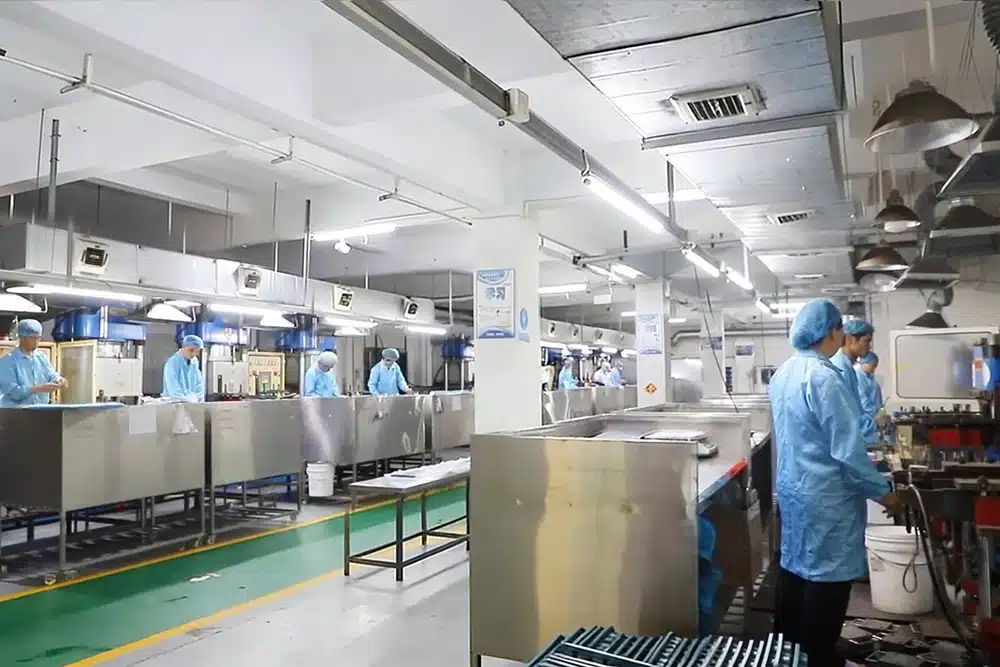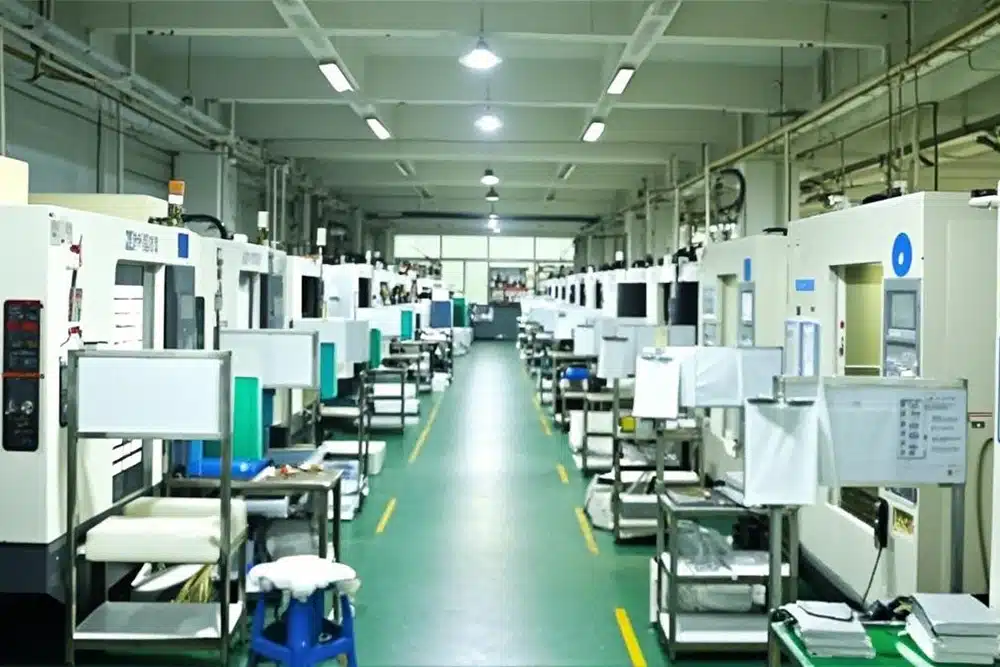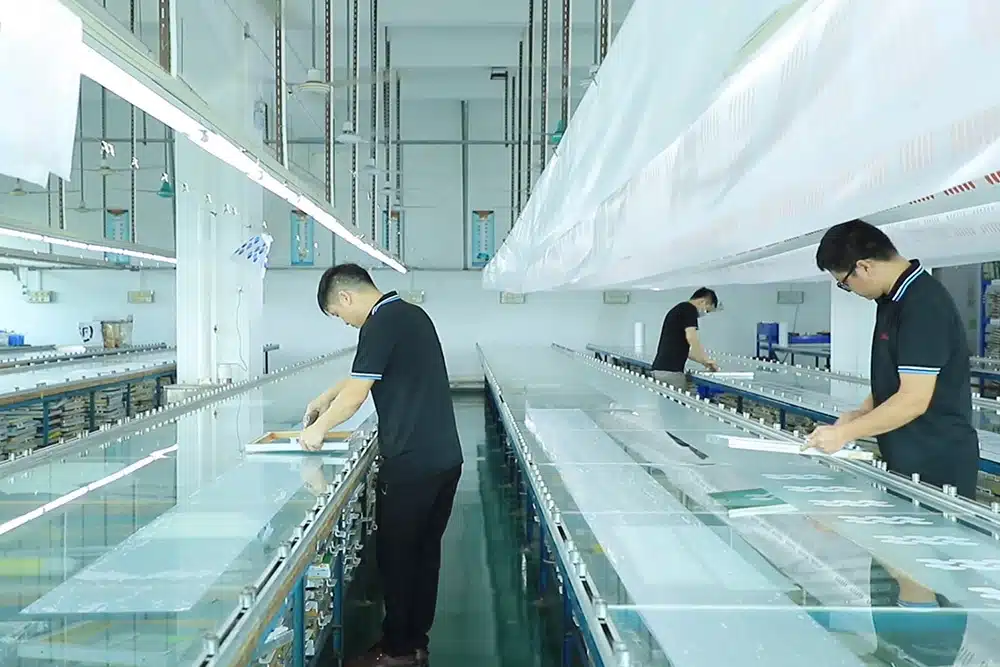

Final inspection is the last quality control step before shipping silicone products. It ensures completed custom silicone products are confirmed against approved samples, drawings, functional and appearance standards, and packaging requirements.This process verifies important parameters including appearance, size, hardness, color, function, cleanliness, packaging, labeling, and counts to ensure that defective, contaminated, mislabeled, damaged or insufficiently packaged silicone products are not shipped to customers – particularly important for OEM/ODM silicone products which require uniform quality from batch to batch.
Final inspection is not just a visual inspection before packaging; it is a verification process to confirm the quality of the silicone products for shipment according to approved quality criteria. Buyers often think final inspection will fix all issues with product quality, but final inspection primarily detects and prevents defects from being shipped. Final inspection certainly cannot guarantee consistent product quality without material control, mold control, in-process QC and traceability before shipment.
A structured final inspection for silicone products helps verify appearance, dimensions, function, packaging, and batch records before goods are released for shipment. final inspection for silicone products.
What Is Final Inspection for Silicone Products?
Final inspection for silicone products is the process of inspecting finished silicone products after all fabrication steps (molding, curing, trimming, secondary processing, etc.) and before they are packaged and shipped. This takes place at the final step in the production process and is used to check if the goods are in line with customer-approved specifications.
While incoming inspection confirms raw silicone compounds, pigments, and inserts used in manufacturing, and in-process quality control identifies problems during the molding and assembly of components, final inspection checks the finished product itself. For a complete overview of our full quality system, see our guide to Quality Control for Custom Silicone Products.This step is important as it offers the final opportunity to match the finished goods against accepted samples and standards. It’s a safety net for the manufacturer and purchaser to ensure that the product is ready to ship.
| QC Stage | When It Happens | Main Purpose |
| Incoming Material Inspection | Before production | Verify silicone material, pigments, inserts, and documents |
| In-Process QC | During molding and secondary processing | Detect defects early and stabilize production |
| Final Inspection | After production and before shipment | Confirm finished products meet approved standards |
| Packaging Inspection | Before goods are released | Check packing, labeling, quantity, and shipment protection |

Why Final Inspection Matters Before Shipment
It is important to inspect before shipping because final inspection provides a chance to identify and resolve problems that may impact customer experience and brand reputation.
Final inspection by examining the final product before shipment helps ensure that only compliant silicone products are shipped to customers. This process is critical in minimising customer complaints, avoiding returns and rework, aligning to approved samples and specifications, ensuring batch consistency, confirming product aesthetics and functionality, confirming packaging and labelling, and ensuring documentation and traceability, and finally brand protection for OEM & ODM silicone manufacturing customers.
| Inspection Purpose | Buyer Benefit |
| Confirm appearance quality | Reduces visible defects and improves customer satisfaction |
| Check dimensions | Helps ensure proper fit, assembly, sealing, or usability |
| Verify function | Confirms the product performs as intended |
| Review color consistency | Reduces batch-to-batch visual mismatch |
| Check cleanliness | Prevents dust, stains, or contamination issues |
| Confirm packaging | Reduces deformation, scratches, or shipment damage |
| Verify labeling and quantity | Prevents wrong shipment, mixed batches, or retail errors |
| Review batch records | Supports traceability and root-cause analysis |
Main Final Inspection Techniques for Silicone Products
Final inspection should be a combination of visual inspection, measurement, functional testing, sampling inspection, packaging inspection and document review depending on the product and customer requirements for custom silicone parts.
An integrated inspection approach guarantees that all aspects of the silicone product are acceptable before shipment.
| Inspection Technique | What It Checks | Typical Tools or Methods |
| Visual inspection | Flash, burrs, bubbles, stains, scratches, deformation, surface defects | Approved sample, light booth, inspection standard |
| Dimensional inspection | Length, width, thickness, critical fit points, tolerance areas | Caliper, gauge, fixture, 2D drawing |
| Hardness testing | Shore A hardness when required | Shore hardness tester |
| Color comparison | Color consistency against approved sample or Pantone target | Approved sample, color reference |
| Functional testing | Sealing, flexibility, grip, elasticity, fit, heat resistance where needed | Manual test, fixture, functional test method |
| Cleanliness inspection | Dust, particles, hair, oil marks, contamination | Visual check, clean area inspection |
| Packaging inspection | Inner bag, carton, label, barcode, batch mark, protection | Packing checklist, label verification |
| Quantity check | Product count and carton quantity | Counting, weighing, packing record |
| Batch record review | Production batch, material batch, inspection records | QC documents and traceability logs |
Visual Inspection: Checking Appearance and Surface Quality
Visual inspection is a common final inspection technique for silicone products, particularly those parts that are in contact with consumers and where surface finish impacts customer satisfaction and brand reputation.
Skilled inspectors use a reference product and controlled lighting conditions to check for even minor defects affecting the final product.
| Visual Defect | What Inspectors Should Check |
| Flash or burrs | Whether edges exceed acceptable trimming standards |
| Bubbles or voids | Whether visible bubbles affect appearance or function |
| Black spots or stains | Whether contamination is present on the surface |
| Color difference | Whether the product matches the approved color sample |
| Mold marks | Whether surface marks are within agreed cosmetic limits |
| Deformation | Whether the part returns to intended shape and fits correctly |
| Poor trimming | Whether edges are smooth and safe for use |
| Printing defect | Whether logo, text, or pattern is clear and correctly positioned |
Dimensional Inspection: Confirming Fit, Tolerance, and Assembly
Dimensional inspection is critical for silicone parts that must fit, seal, grip, cover, assemble or protect another part.
Soft silicone products, in particular, need special measurement methods, which can include fixtures or gauges, to ensure tolerance without stretching the material.
| Dimensional Check | Why It Matters |
| Length and width | Confirms overall product size |
| Thickness | Affects strength, flexibility, sealing, and tactile feel |
| Inner diameter or opening size | Critical for sleeves, caps, gaskets, and protective covers |
| Hole position | Important for assembly or functional alignment |
| Sealing lip or contact surface | Affects sealing performance and fit |
| Flatness or shape recovery | Helps identify warping or deformation |
| Assembly fit | Confirms the silicone part works with mating components |
Functional Testing Before Shipment
Functional testing should be performed for the specific application of the silicone part, not just general testing.
This guarantees the part will work properly when it is installed by the end user – be it in the kitchen, car, or pet grooming product.
| Product Type | Possible Functional Test |
| Silicone seals or gaskets | Fit, compression, sealing surface, shape recovery |
| Silicone sleeves or protective covers | Installation fit, grip, elasticity, protection coverage |
| Silicone mats | Flatness, anti-slip performance, surface quality, thickness |
| Silicone kitchenware | Flexibility, heat resistance if specified, cleanliness, odor |
| Silicone baby or pet products | Softness, durability, cleanliness, bite or pull resistance if required |
| Silicone overmolded parts | Bonding strength, insert position, functional alignment |
| Silicone keypads | Button feel, rebound, print quality, actuation consistency |
Color, Hardness, and Material-Related Final Checks
Final checks can also verify material-related attributes if these are important for product performance or customer acceptance. Proper silicone material selection upfront makes these final verifications much more consistent.
These inspections ensure production consistency from lot to lot and the initial approved sample, and cover aspects that affect performance and customer satisfaction.
| Check Item | Inspection Purpose |
| Shore hardness | Confirms the product meets softness or stiffness requirements |
| Color comparison | Ensures mass production matches approved sample |
| Odor check | Helps identify curing, storage, or material-related issues |
| Surface feel | Confirms tactile quality for consumer products |
| Elastic recovery | Checks whether the product returns to shape after deformation |
| Batch comparison | Reduces visible differences between production lots |
| Approved sample review | Aligns inspection judgment with customer-confirmed standards |
Packaging and Labeling Inspection Before Shipment
The last inspection should include packaging because products can be damaged, contaminated, mixed or mislabeled after the production process.
Thorough packaging inspection ensures the silicone products are safe during shipping and that they are shipped to the right customer.
| Packaging Check | Risk If Ignored |
| Inner bag cleanliness | Dust, hair, or particle contamination |
| Correct quantity | Short shipment or customer receiving error |
| Label accuracy | Wrong SKU, color, model, or batch information |
| Barcode verification | Retail or warehouse scanning errors |
| Carton strength | Product damage during transportation |
| Packing arrangement | Deformation, compression marks, or scratches |
| Batch separation | Mixed batches and traceability problems |
| Export carton condition | Higher risk of damage during international shipment |

Sampling Inspection vs Full Inspection: Which Is Better?
Product risk, order quantity, buyer’s needs, past defect data and criticality determine final inspection method.
Both are valid, and should be agreed with the customer before production starts, often using a standard such as AQL.
Inspection Method
| Inspection Method | Best For | Limitation |
| Sampling Inspection | Large batches with stable production and low defect history | May not catch every individual defect |
| Full Inspection | High-risk products, strict appearance needs, or previous defect issues | Slower and more labor-intensive |
| AQL-Based Inspection | Orders requiring standardized acceptance criteria | Must define defect levels clearly |
| Functional Spot Check | Products with specific performance requirements | May need fixtures or customer-approved test methods |
| Customer-Specific Inspection | Retail, branded, or regulated projects | Requires clear standards before production |
Common Final Inspection Mistakes to Avoid
Clear standards, trained inspectors, and documented inspections are required to make final inspection beneficial.
By avoiding these mistakes, the process will add value, rather than confidence.
| Mistake | Better Practice |
| No approved sample used | Compare finished goods with confirmed sample |
| Unclear defect standard | Define critical, major, and minor defects before inspection |
| Appearance-only inspection | Include dimensions, function, packaging, and traceability where needed |
| Ignoring packaging | Inspect labels, quantity, carton condition, and packing method |
| No batch review | Link finished goods to material and production records |
| Repeated defects only sorted out | Investigate root cause and improve process control |
| Poor documentation | Keep inspection records for future quality analysis |
How OEM Buyers Can Prepare Clear Final Inspection Requirements
It’s possible for buyers to improve final inspection accuracy by specifying acceptance criteria before mass production.
This information can help set expectations and improve the overall quality control of silicone products.
| Buyer Requirement | Why It Helps Final Inspection |
| Approved sample | Provides a physical standard for appearance, color, and feel — developed together with our custom silicone molds and tooling team. |
| 2D drawing | Defines critical dimensions and tolerances |
| Color reference | Reduces disagreement about acceptable color difference |
| Hardness specification | Confirms softness, stiffness, or functional feel |
| Functional test method | Ensures the product is checked based on actual use |
| Cosmetic defect standard | Clarifies what is acceptable and unacceptable |
| Packaging specification | Prevents deformation, contamination, or shipment damage |
| Labeling requirement | Reduces SKU, barcode, and batch identification errors |
| AQL standard | Provides a structured acceptance method for batch inspection |
Conclusion — Final Inspection Protects Shipment Quality
Silicone product final inspection is the final inspection before shipping. This ensures that final silicone products conform to approved samples, drawings, specifications, and packaging using a mix of visual, dimensional, functional, color, hardness, packaging, labeling, and batch traceability (if applicable) inspection.
Although final inspection can help avoid the shipment of non-conforming or defective silicone products to customers, it is best to focus on quality control during manufacturing. When visual, dimensional, functional, packaging and batch inspection are combined, manufacturers can ship silicone products with more confidence. At HT Silicone we maintain this rigor across all stages while meeting international quality standards.For OEM/ODM silicone projects, final inspection should be linked to incoming inspection, in-process QC, traceability, and clean packaging.