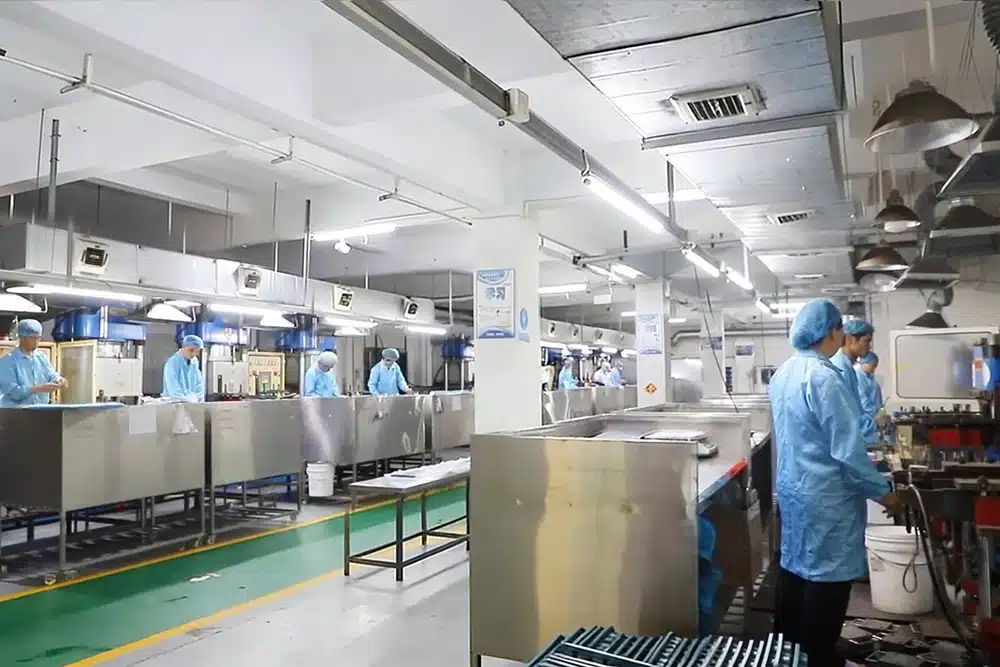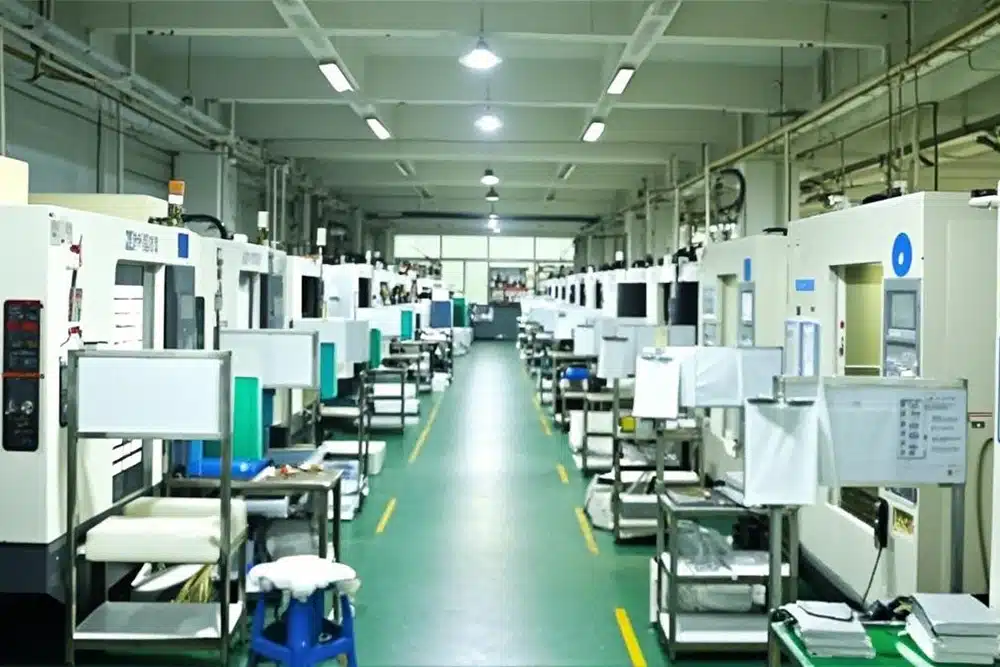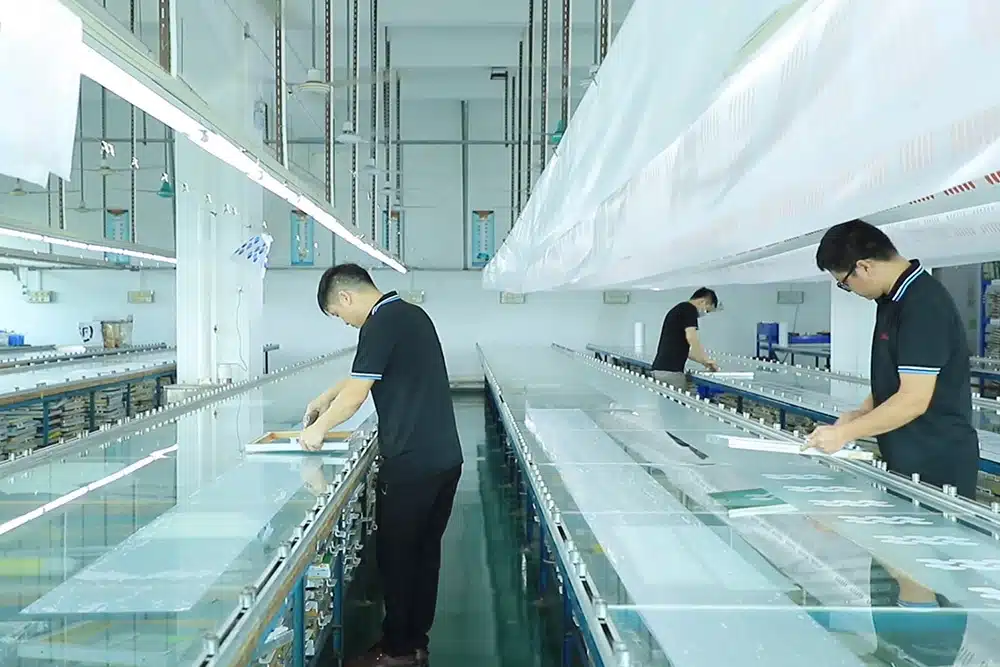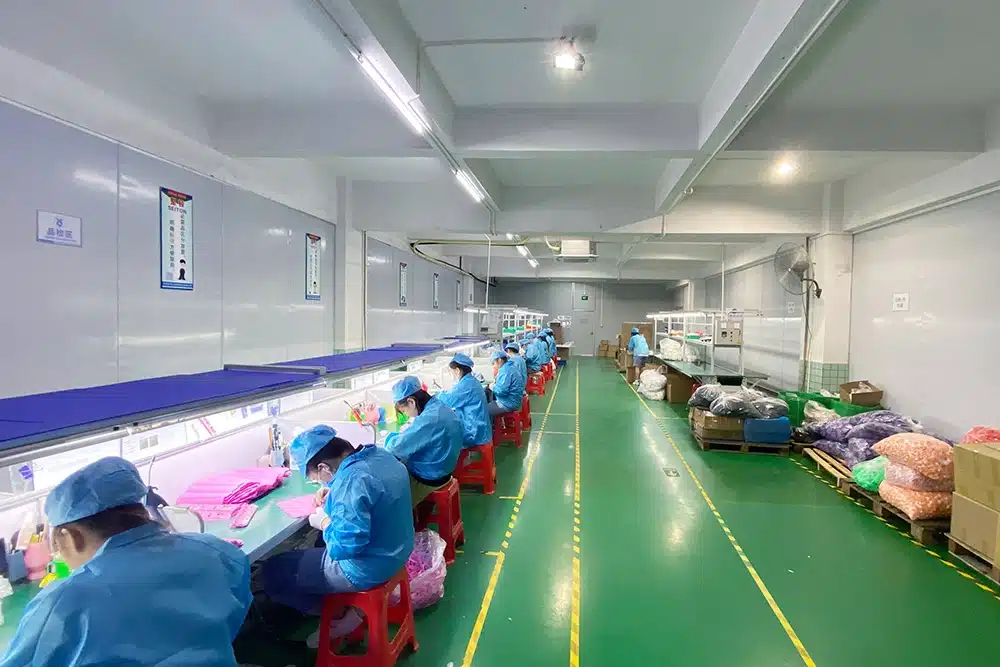

In-process quality control in silicone molding is the ongoing inspection and review of materials, equipment, tooling, curing, dimensions, appearance and run stability during the production of parts. It assists manufacturers to catch issues early and prevent batch failure. This is not the same as pre- and post-production inspections, which only detect variations after the fact, and ensures the integrity of custom silicone parts from the first to the last part in the run.
With silicone molding, final checks can weed out bad parts, but a quality control process can stop problems from recurring during production. Silicone molding is susceptible to variations in temperature, pressure, curing time or mold and material handling, which can easily cause a stable run to go awry. Customers often think QC is end-of-line, but for silicone molding, the critical decisions are made while products are still being molded, cured, trimmed, inspected and packed. A well-structured in-process silicone QC allows manufacturers to control molding conditions, detect recurring issues early in production and ensure quality is maintained during mass production, particularly for custom silicone products that require tight tolerances, consistent colour, hardness or performance.
What Is In-Process Quality Control in Silicone Molding?
In-process quality control in silicone molding covers all the testing and process adjustments made during the active production process, as opposed to only testing the incoming material or final product. This is an additional QC stage that sits between the three main stages and prevents process variations from snowballing into scrap or poor customer feedback.
The following table breaks down these stages:
| QC Stage | When It Happens | Main Purpose |
| Incoming Material Inspection | Before production starts | see our guide on incoming material inspection to verify silicone material, pigments, inserts, and documents. |
| In-Process Quality Control | During molding and production | Monitor process stability and detect defects early |
| Final Inspection | After production is complete | Confirm finished products meet approved standards |
| Packaging Inspection | Before shipment | Prevent contamination, damage, labeling errors, and batch mix-ups |
In custom silicone molding, in-process testing is essential because each batch can be somewhat different due to material lot-to-lot differences, temperature, humidity, or other factors. Without them, an excellent sample batch could result in skips, defects, and inconsistencies in the subsequent full production batches.
Why In-Process QC Matters in Silicone Molding
Silicone molding is precise but prone to variations, which can lead to recurring issues if not identified early — making strong consistent quality in custom silicone manufacturing essential.A change in a few degrees in mold temperature, or a slight change in pressure, will impact on curing, shrinkage and surface finish in hundreds or thousands of parts.
Some of the more common process variations and associated risks include:
| Process Variation | Possible Quality Risk |
| Unstable molding temperature | Under-curing, deformation, weak strength, or surface defects |
| Incorrect pressure | Flash, incomplete filling, dimensional variation, or trapped air |
| Insufficient curing time | Sticky surface, poor elasticity, weak tear resistance |
| Mold contamination | Stains, black spots, surface marks, or poor appearance |
| Poor venting | Bubbles, voids, or incomplete details |
| Material batch variation | Color difference, hardness variation, or curing instability |
| Improper demolding | Tearing, deformation, or surface damage |
| Weak operator control | Inconsistent trimming, handling marks, or mixed batches |

In-process quality control catches these problems before they become a problem for the production batch. It also eliminates scrap material, speeds up production, and ensures that OEM customers are more confident of the parts they receive will be fit for purpose in kitchenware, pet products, baby products, or automotive parts.
Key Inspection Points During Silicone Molding
Process inspection should include both process parameters and parts being produced. This ensures timely adjustments and corrections are made to prevent further problems.
The key points and their significance are outlined below:
| Inspection Point | What to Check | Why It Matters |
| Material preparation | Material batch, color mix, cleanliness, pre-form condition | Prevents material-related defects |
| Mold condition | Cleanliness, wear, venting, parting line | Reduces flash, surface marks, and bubbles |
| Temperature | Mold and curing temperature stability | Supports proper curing and dimensional consistency |
| Pressure | Compression or injection pressure | Affects filling, flash, and part density |
| Curing time | Cycle time and curing completeness | Prevents sticky, weak, or under-cured products |
| Appearance | Surface marks, stains, bubbles, color, flash | Detects visible defects early |
| Dimensions | Critical sizes, thickness, fit points | Ensures assembly and functional consistency |
| Trimming quality | Burrs, edge finish, cut accuracy | Improves appearance and usability |
| Functional check | Fit, flexibility, sealing, grip, or elasticity | Confirms product performance during production |
Periodic inspections at these stages help keep the process in check and ensure the quality required from custom silicone products molding projects.
Common Defects Detected by In-Process Silicone QC
The value of in-process QC is the detection of recurring defects that could impact the whole lot. Many problems with silicone molding occur as process conditions drift, and are best remedied by early intervention rather than post-molding sorting.
Some common defects, probable causes and solutions include:
| Defect | Likely Cause | In-Process Control Method |
| Bubbles or voids | Air trapped in mold cavity or material | Improve venting, adjust pressure, inspect first pieces |
| Flash | Excess material, poor mold fit, high pressure | Check mold closing, pressure, and material amount |
| Incomplete filling | Insufficient material or low pressure | Adjust material loading and molding parameters |
| Under-curing | Low temperature or short curing time | Monitor cycle time and curing temperature |
| Color deviation | Pigment mixing or material batch variation | Compare with approved color sample during production |
| Deformation | Poor demolding, uneven wall thickness, unstable cooling | Adjust demolding method and process conditions |
| Surface stains | Mold contamination or handling issues | Clean molds and control operator handling |
| Dimensional drift | Mold temperature, shrinkage, or process instability | Measure critical dimensions regularly |
| Poor trimming | Manual inconsistency or tool wear | Standardize trimming method and inspect edges |
Early detection helps to reduce scrap and maintain schedules.
How In-Process QC Supports Consistent Mass Production
It’s not enough to be good once. Silicone manufacturers must be able to maintain quality from batch to batch, shift to shift, machine to machine, and run to run.
Control methods include:
| Control Method | How It Works | Benefit |
| First-piece inspection | Check the first molded parts before full production | Prevents repeated batch defects from the start |
| Patrol inspection | QC staff check parts at set intervals | Detects process drift during production |
| Sampling plan | Inspect representative parts from each batch or time period | Balances efficiency and quality control |
| Parameter recording | Record temperature, pressure, curing time, and machine settings | Helps identify causes of defects |
| Operator self-checks | Operators inspect appearance and obvious defects during production | Reduces simple repeated mistakes |
| Abnormal issue escalation | Stop or adjust production when defects exceed limits | Prevents large-scale defective output |
| Batch documentation | Link production records with material and inspection results | supporting full batch traceability and root-cause analysis. |

These steps make in-process quality control a system, not just a series of checks.
In-Process QC for Different Silicone Molding Methods
In-process checks vary among different molding processes. What’s effective for one may not catch problems in another.
| Molding Method | In-Process QC Focus |
| Compression molding | Material loading, mold temperature, curing time, flash control, demolding |
| Liquid silicone molding | Mixing ratio, injection stability, curing, flow marks, dimensional control |
| Co-injection molding | Material compatibility, color separation, bonding, cycle stability |
| Overmolding | Insert positioning, surface cleanliness, bonding strength, alignment |
| Multi-color molding | Color placement, color bleeding, bonding between layers, appearance consistency |
| Secondary processing | Printing, spraying, trimming, assembly, and packaging quality |
Being aware of these subtleties will help OEM customers select the appropriate supplier for their product needs.
What Records Should Be Kept During In-Process Quality Control?
Keeping quality records is crucial to help manufacturers troubleshoot issues and demonstrate parts consistency to customers.
Essential records include:
| Record Type | Why It Matters |
| Material batch number | Links finished products to incoming material inspection |
| Mold number | Helps identify tooling-related defects |
| Machine setting record | Supports analysis of temperature, pressure, and curing issues |
| First-piece approval | Confirms production can continue under accepted conditions |
| Inspection frequency record | Shows how often parts were checked during production |
| Defect record | Helps identify repeated quality problems |
| Corrective action record | Documents how the issue was handled |
| Batch release record | Confirms whether the batch passed internal requirements |
Full documentation provides an audit record and allows process improvements.
How OEM Buyers Can Evaluate a Supplier’s In-Process QC Capability
Buyers must determine whether a silicone supplier has an in-process monitoring system, rather than an inspection table. The right questions demonstrate the supplier’s quality attitude.
| Buyer Question | What a Qualified Supplier Should Demonstrate |
| Do you perform first-piece inspection? | Approved first samples before full production begins |
| How often do you inspect during production? | Defined sampling frequency or patrol inspection plan |
| Do you record process parameters? | Temperature, pressure, curing time, machine, and mold records |
| How do you handle abnormal defects? | Clear escalation, adjustment, rework, or rejection process |
| Can production be stopped if quality is unstable? | QC authority and abnormal issue control |
| Are approved samples used on the production floor? | Operators and inspectors compare against confirmed standards |
| Can batches be traced? | Records linking material, production, inspection, and shipment |
| Are workers trained in defect recognition? | Operators understand appearance, trimming, curing, and handling standards |
If your supplier can answer these questions and produce up-to-date records, they’re likely to provide consistent custom silicone molded products.
Common Misunderstandings About In-Process Quality Control
There are a few misunderstandings that can cause buyers to de-emphasise in-process checks.
| Misunderstanding | More Accurate View |
| Final inspection is enough | Final inspection finds defects, but in-process QC helps prevent repeated defects |
| A good sample means good mass production | Production stability must be monitored continuously |
| QC only checks appearance | Good QC also checks dimensions, curing, parameters, function, and traceability |
| Silicone parts do not need strict measurement | Fit, sealing, assembly, and functional parts require dimensional control |
| Defects can be removed later | Sorting increases cost and may not solve the root cause |
Understanding these aspects helps OEMs choose silicone molding partners who focus on quality in each and every process.
Conclusion — In-Process QC Builds Quality Into Silicone Molding
Quality in silicone moldings cannot be inspected in at the end of the process. It needs to be managed throughout the process. Controlling the preparation of materials, condition of the mold, temperature, pressure, cure time, dimensions, appearance, trimming and batch records in production can help manufacturers minimise defects and produce more consistent custom silicone products for OEM and ODM contracts.
So quality control during the process is critical to avoid silicone molding defects in mass production, to assist first piece inspection in silicone molding, and to enable buyers to have confidence in their supply chain. When selecting a supplier, consider more than samples or reports, but also the process itself. This ensures consistency, avoids unexpected issues, and fosters long-term relationships in the competitive custom silicone molding industry.