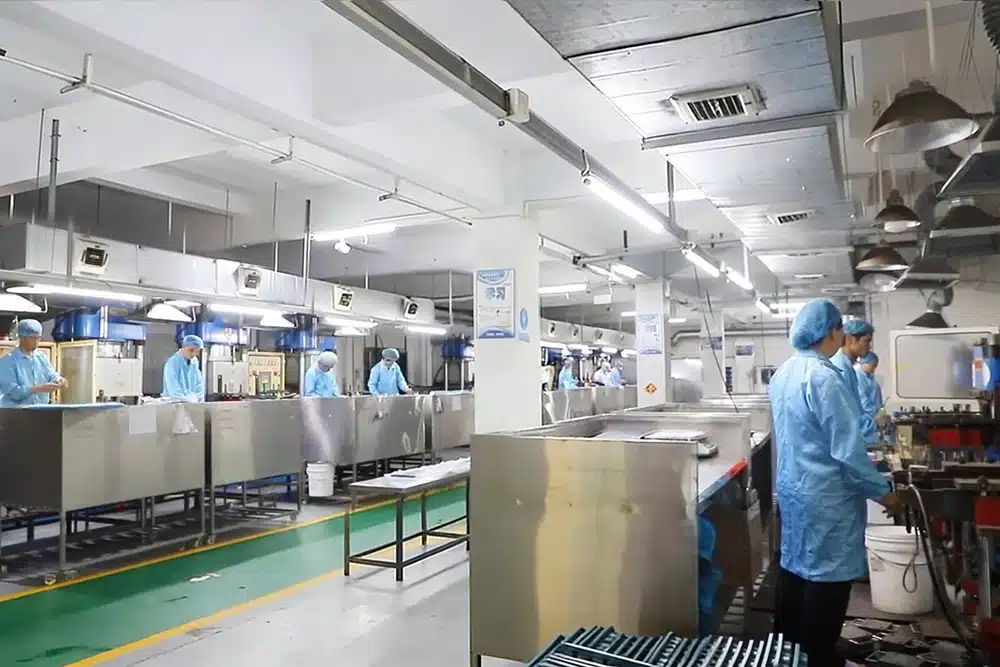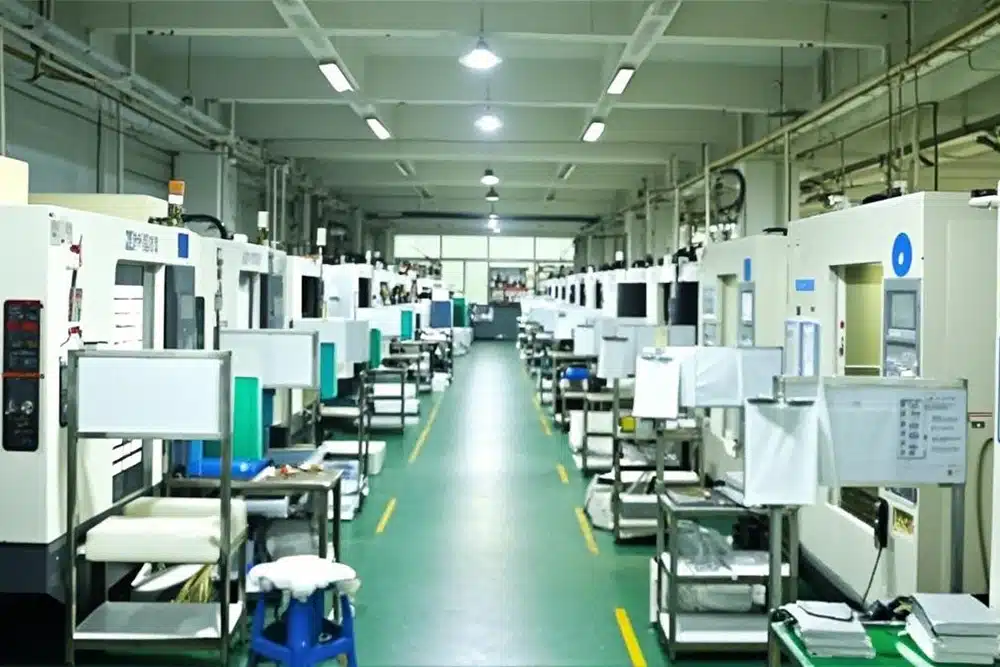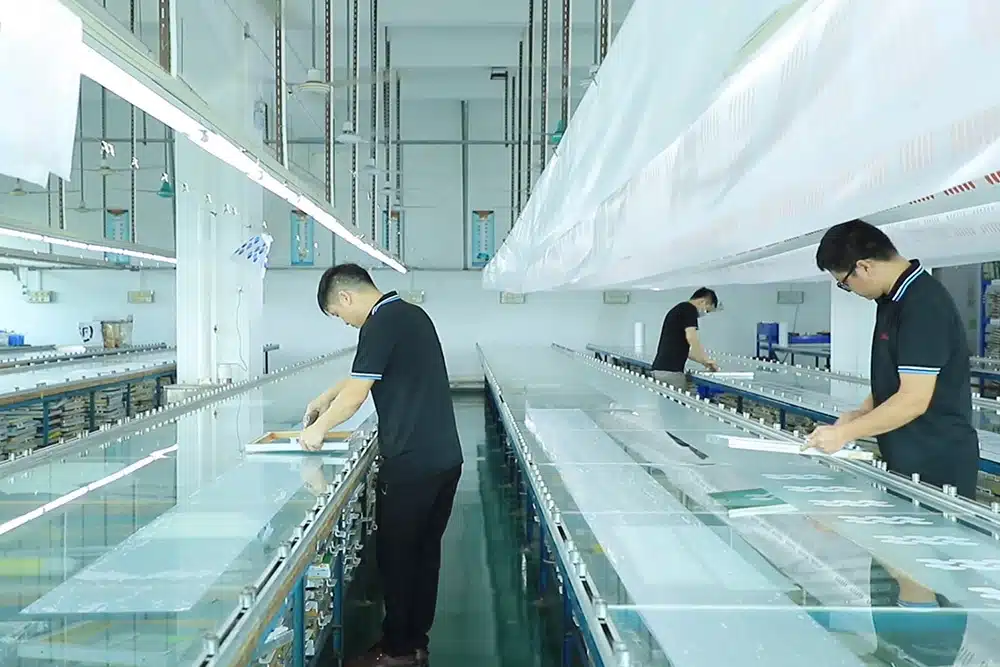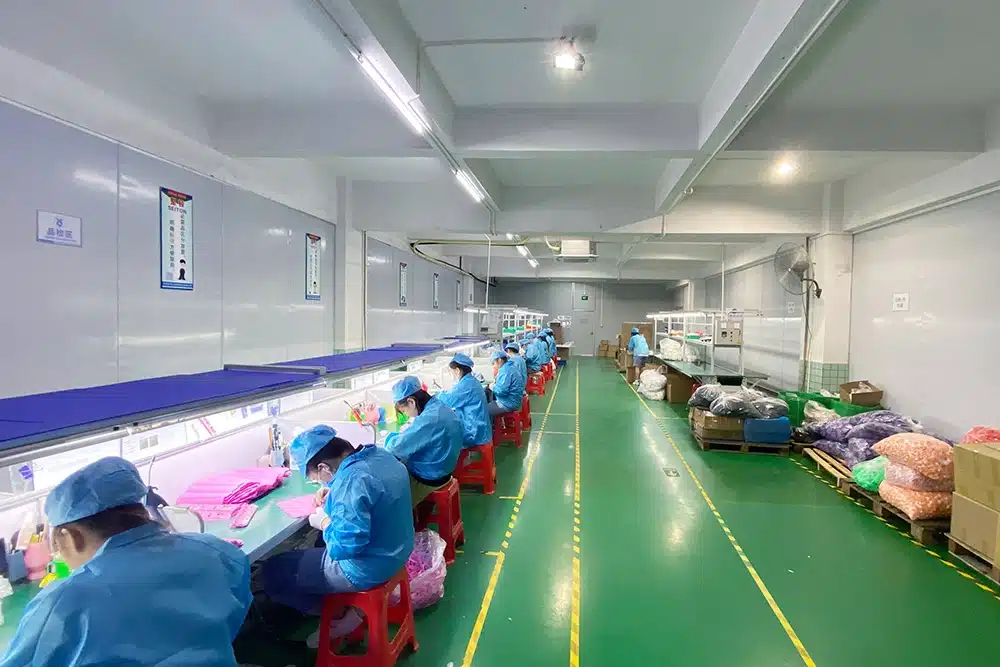

The first step in quality control when manufacturing silicone products is incoming material inspection. No matter how well the mold is designed or the process is executed, the final products will never be stable or reliable if the silicone materials, pigments, additives or other components used are inconsistent or incorrect.
In the manufacturing of silicone products, quality control should start not after parts are molded, but at the time all batches of raw material enter the manufacturing plant. This step – also known as incoming quality control (IQC) – confirms that all inputs into the production process meet precise requirements for performance, safety and compliance.
Often, customers believe the main causes of silicone parts defects are related to molding. But inconsistent material properties, hardness, pigment, raw material contamination, or lack of supplier data can cause significant quality issues before going into production. For OEM/ODM projects involving food-grade silicone, baby products, pet supplies, personal care items, automotive parts, and custom molded components, silicone incoming material inspection is essential to prevent downstream issues and ensure reliable results.
What Is Incoming Material Inspection in Silicone Manufacturing?
Incoming material inspection is a process that checks all incoming raw materials before they are used. It’s also called incoming quality control (IQC), and is the first step in the silicone QC process.
When creating custom silicone products with specific performance, safety or aesthetic standards, this ensures the materials will perform as expected during mixing, molding, curing and assembly — starting with rigorous silicone material selection.
Here’s a brief list of inspection items:
| Inspection Item | What It Means | Why It Matters |
| Raw silicone material | Base silicone compound or liquid silicone material used for production | Affects hardness, elasticity, curing, odor, and performance |
| Pigments and colorants | Color masterbatch or pigment used to match customer requirements | Helps maintain color consistency across batches |
| Additives | Processing aids or performance additives when required | Can affect curing, surface feel, or functional performance |
| Metal or plastic inserts | Components used in overmolding or assembly | Prevents bonding, fitting, or contamination issues |
| Packaging materials | Bags, trays, labels, cartons, and protective packing | Prevents shipment damage, contamination, and batch mix-ups |
| Supplier documents | COA, MSDS, RoHS, REACH, FDA, LFGB, or other records when applicable | Supports compliance, traceability, and customer audits |

Why Incoming Material Inspection Matters for Silicone Product Quality
In custom silicone product manufacturing, many of the problems found in finished products are a result of unchecked or unvalidated incoming raw materials. Early detection can save time, money and reputation.
Issues with materials can often present as:
| Material Risk | Possible Product Problem |
| Incorrect silicone hardness | Product may feel too soft, too stiff, or fail functional requirements |
| Poor pigment consistency | Visible color difference between batches |
| Contaminated material | Surface defects, black spots, dust marks, or hygiene concerns |
| Missing compliance documents | Delays in approval, shipment, or customer audit |
| Unstable curing behavior | Sticky surface, deformation, weak strength, or longer production cycle |
| Incorrect insert material | Poor bonding, poor assembly fit, or functional failure |
| Wrong packaging material | Deformation, scratches, contamination, or labeling errors |
These potential issues underline the importance of incoming inspection in silicone manufacturing.
Main Materials That Should Be Checked Before Silicone Production
Although some people only consider the silicone compound, an effective incoming inspection includes all materials that may affect the production process and quality of the final product.
Key categories include:
| Material Category | Key Inspection Points | Typical Risk If Not Checked |
| Silicone compound | Grade, hardness, batch number, appearance, certificate | Wrong performance or inconsistent molding behavior |
| Pigments/colorants | Color code, batch record, dispersion quality | Color mismatch or uneven color |
| Additives | Type, compatibility, shelf life | Poor curing or surface defects |
| Metal inserts | Size, surface cleanliness, coating, burrs | Poor overmolding, weak bonding, or assembly failure |
| Plastic inserts | Dimension, material type, heat resistance | Deformation or poor fit during molding |
| Packaging materials | Cleanliness, size, strength, labeling accuracy | Product damage, contamination, or wrong shipment |
| Compliance documents | COA, MSDS, RoHS, REACH, FDA/LFGB when required | our compliance documents help reduce audit risk or regulatory delay. |

As a professional manufacturer, we routinely check solid silicone rubber (HTV), liquid silicone rubber (LSR), food grade materials and customer-supplied parts.
Key Inspection Methods for Incoming Silicone Materials
Incoming material inspection should use a combination of methods rather than just one.
Standard methods include:
| Inspection Method | What It Checks | Why It Is Important |
| Document review | COA, MSDS, compliance reports, supplier records | Confirms material identity and compliance support |
| Batch number check | Material lot number and production date | Enables traceability and batch control |
| Visual inspection | Appearance, contamination, damage, packaging condition | Detects obvious material or handling problems |
| Hardness testing | Shore A hardness when applicable | Confirms material meets functional requirements |
| Color comparison | Pigment or compound color against approved sample | Prevents visible color deviation |
| Shelf-life check | Expiration date and storage condition | Prevents unstable curing or performance loss |
| Trial molding | Small test run for critical materials | Confirms processing behavior before mass production |
| Sampling inspection | Representative testing from incoming batch | Reduces risk without delaying all production |
Best Practices for Incoming Material Inspection
Incoming material inspection is most effective if part of a documented system linked to production planning.
Best practices include:
| Best Practice | Practical Implementation | Buyer Benefit |
| Define material specifications | Confirm hardness, grade, color, safety, and performance needs before ordering | Reduces wrong material selection |
| Verify supplier documents | Check COA, MSDS, and compliance files when required | Supports audits and regulatory needs |
| Inspect before release | Do not send material to production before IQC approval | Prevents defective materials from entering production |
| Use approved color samples | Compare pigments or molded samples against confirmed standard | Improves color consistency |
| Separate material status | Mark materials as accepted, pending, or rejected | Prevents accidental misuse |
| Keep batch records | Record lot number, supplier, date, and inspection result | Enables traceability and root-cause analysis |
| Control storage conditions | Store materials away from dust, heat, moisture, and contamination | Maintains stable material performance |
Common Incoming Material Problems and How to Handle Them
Occasionally, problems can occur even with good supplier relations. The trick is to resolve them before manufacturing.
Common problems and recommended actions:
| Incoming Material Problem | Recommended Action |
| Wrong material grade | Quarantine the batch and confirm with supplier before use |
| Hardness outside tolerance | Test again, compare with specification, and reject if unsuitable |
| Color difference | Compare with approved sample and request correction before production |
| Contamination or black spots | Hold material and investigate supplier handling or storage |
| Missing COA or compliance file | Do not release material until documents are confirmed |
| Damaged packaging | Inspect for contamination or moisture exposure before approval |
| Expired material | Evaluate risk carefully; reject if performance is uncertain |
| Insert dimension mismatch | Stop overmolding trial and verify drawings or supplier tolerance |
| Mixed batch label | Separate materials and correct batch records before use |
How Incoming Material Inspection Supports Batch Traceability
Incoming material inspection is key to establishing batch traceability of custom silicone products.By capturing information at the beginning, manufacturers can identify the root of quality problems.
Critical traceability records include:
| Traceability Record | Why It Matters |
| Material lot number | Identifies which raw material batch was used |
| Supplier information | Helps evaluate supplier quality performance |
| Inspection result | Shows whether material was approved before use |
| Production batch number | Links incoming material to finished products |
| Operator and machine record | Supports investigation of process-related issues |
| Shipment batch | Helps locate affected goods if a problem occurs |
| Nonconformance record | Documents abnormal materials and corrective actions |
This documentation is useful for OEM buyers who need to audit the process.
How OEM Buyers Can Evaluate a Supplier’s Material Inspection Process
Savvy OEM buyers ask more than just to see product samples, they look closely at a manufacturer’s process for inspecting silicone raw materials.
Questions include:
| Buyer Question | What a Good Supplier Should Demonstrate |
| Do you inspect every incoming material batch? | A defined IQC process before materials enter production |
| Can you provide material documents? | COA, MSDS, and compliance records when required |
| How do you control hardness? | Shore hardness checks or approved material specifications |
| How do you control color consistency? | Approved color samples, pigment records, and batch comparison |
| How do you manage rejected materials? | Quarantine, labeling, supplier feedback, and corrective action |
| Can you trace material batches? | Lot records linked to production and shipment batches |
| Do you inspect inserts and packaging materials? | Inspection beyond silicone compound only |
Incoming Material Inspection for Different Silicone Product Applications
Different applications will have different priorities for incoming inspections.
| Application | Incoming Inspection Priority |
| Food-grade silicone kitchenware | Food-contact material documents, odor, cleanliness, color consistency |
| Baby products | Safety documents, soft-touch performance, material purity, contamination control |
| Pet products | Durability, tear resistance, hardness, color stability |
| Personal care products | Skin-contact material quality, cleanliness, odor, surface feel |
| Automotive silicone parts | Heat resistance, dimensional stability, batch consistency |
| Electronics accessories | Fit, insulation-related requirements, surface cleanliness |
| Industrial silicone parts | Hardness, tensile strength, compression performance, material traceability |
Conclusion — Good Silicone Quality Starts Before Production
The true start of good silicone manufacturing is not at the molding machine. It starts with the receipt of raw materials, pigments, inserts and packaging materials. By inspecting incoming materials thoroughly, manufacturers can identify problems early and minimise rejects of the final custom silicone products.
The quality of the raw materials impacts the aesthetics, performance, curing, safety, uniformity and reliability of the final custom silicone parts.Incoming material quality cannot be completely offset by final inspection.
OEM product engineers and buyers should always assess their suppliers’ incoming quality control procedures. Detailed specifications, procedures, storage and traceability indicate a manufacturer’s commitment to ensuring quality control of silicone products.
By focusing on the silicone incoming material inspection process upfront, manufacturers and customers can avoid problems, revisions and failed OEM/ODM projects down the track and achieve better consistent quality in custom silicone manufacturing.