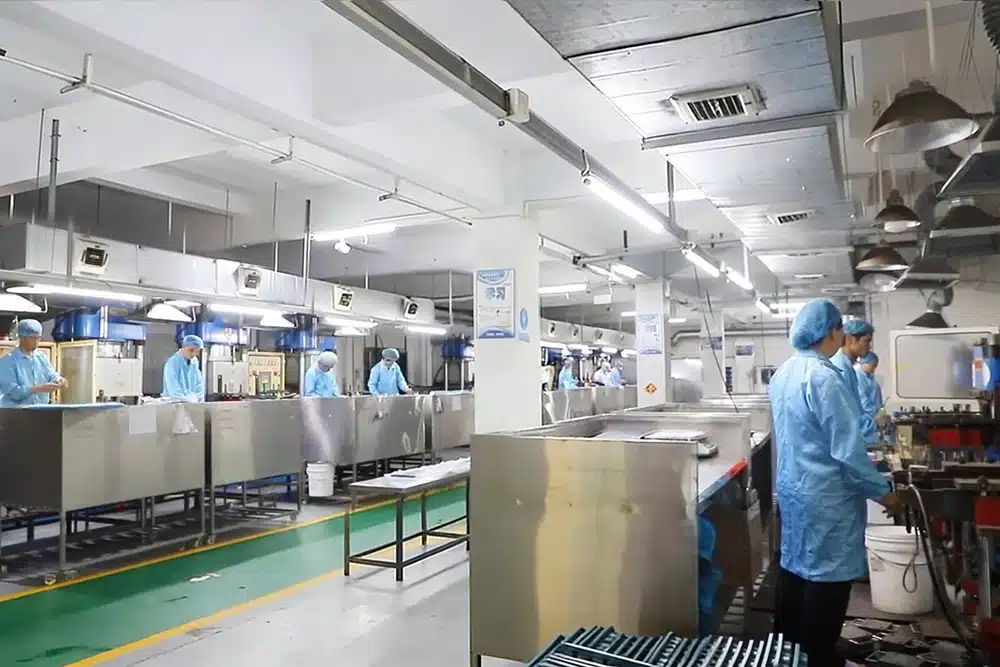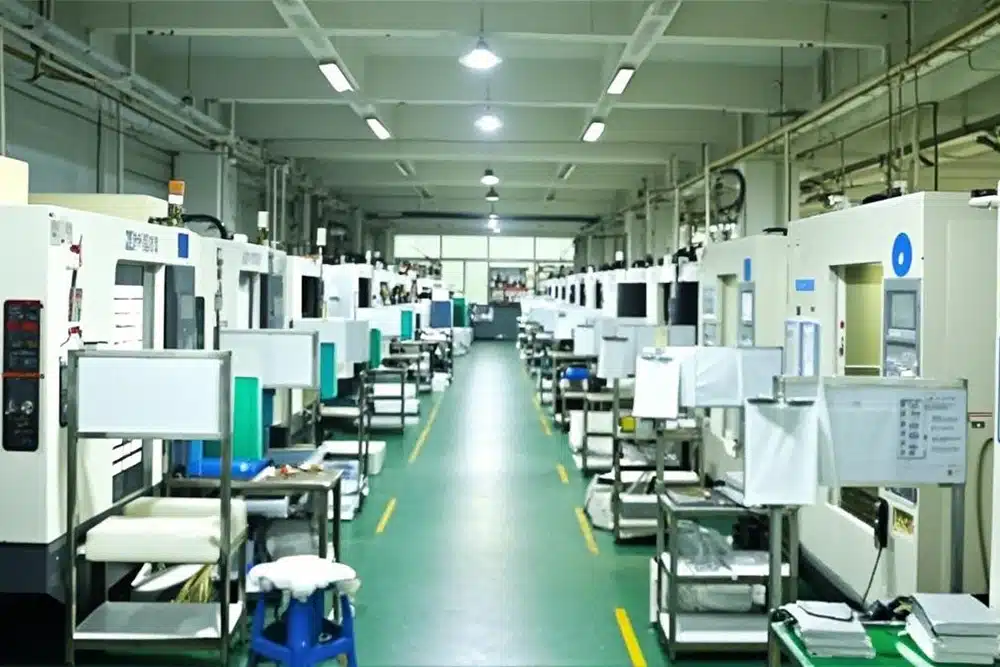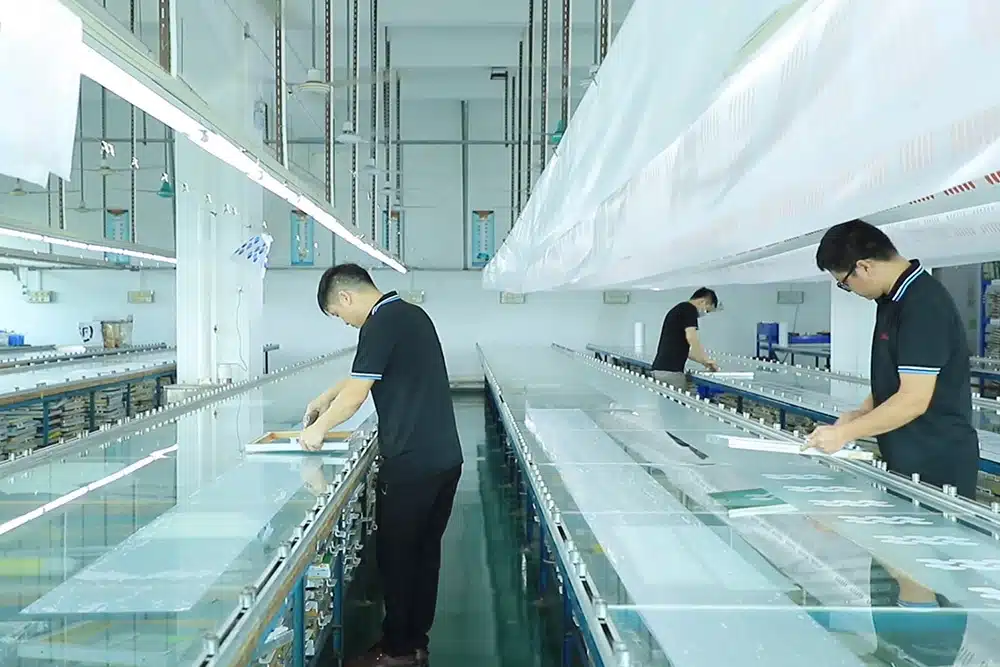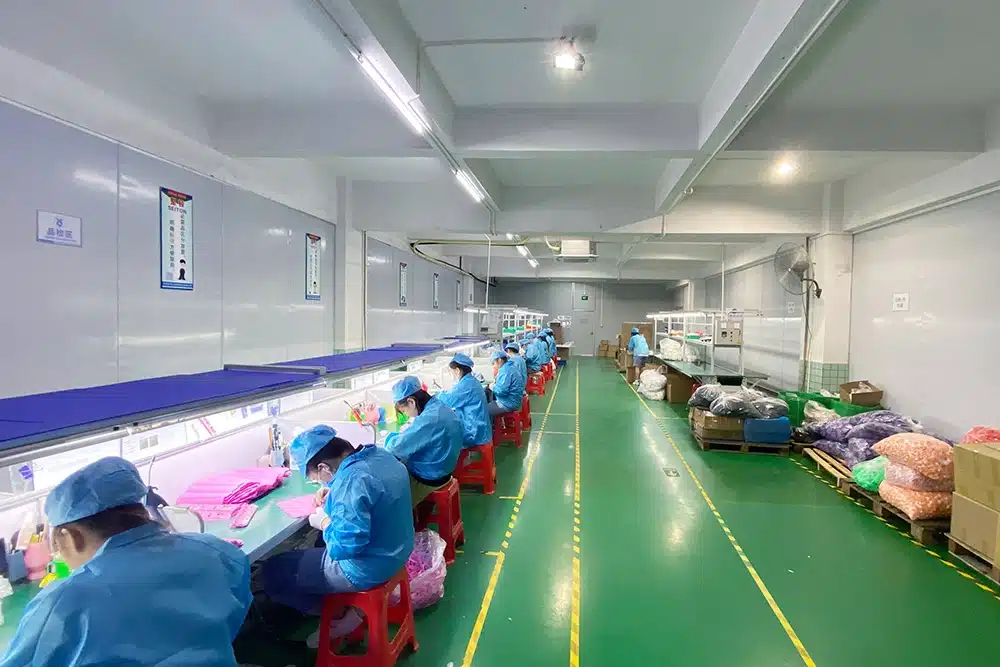

In custom silicone product manufacturing, quality control for custom silicone products throughout the process is crucial to consistent quality, from raw material verification to in-process and final inspection, batch tracking, and dust-free assembly, to ensure quality, consistent, and high-performing silicone parts for OEM/ODM projects.
For OEM buyers, product engineers and procurement managers on kitchenware, pet care, automotive or personal care products, this kind of control ensures products that work out of the box, rather than products that fail in the real world or during inspections — especially important in OEM/ODM projects.Some believe that high-tech molding equipment or laser-cut molds are enough to ensure consistency, but the reality is that even the most sophisticated machines can’t make up for deficiencies in material inspection, process control or cleanroom assembly.
At Dongguan HT Silicone & Rubber Co., Ltd., we have been working with global brands for decades by incorporating these quality control measures. The result? Reduced defects, efficient production and consistent parts that are produced to strict specifications. In custom silicone manufacturing for OEM and ODM projects, where precision, consistency and reliability are critical, implementing strict Quality control for custom silicone products across every production stage is essential.
What Is Quality Control in Custom Silicone Manufacturing?
Custom silicone quality control is a rigorous process ensuring all aspects of custom silicone production meet established safety, performance and aesthetic requirements. It’s more than just a visual inspection. Rather, it’s a process that encompasses each and every step the product takes from the arrival of raw silicone compounds to the packaging and shipping of the final parts.
Silicone products require special scrutiny, unlike off-the-shelf manufacturing processes, because silicone is affected by temperature, pressure, cure time and other environmental elements. Any slight change can result in finished product with defects or hidden flaws. So quality control for silicone products is multifaceted, involving several inspections and records throughout the manufacturing process.
Here are the key components:
| QC Component | Purpose | Why It Matters |
| Incoming Material Inspection | Verify raw silicone materials meet specs | a critical first step in incoming material inspection that prevents defects caused by material inconsistency. |
| In-Process Monitoring | Monitor molding, curing, compression steps | Ensures parts meet dimensional and functional requirements |
| Final Inspection | Confirm finished parts meet quality standards | Reduces defective shipments and customer complaints |
| Batch Traceability | Track production batches | see our detailed guide on batch traceability to understand how it enables root-cause analysis and recalls if necessary. |
| Dust-Free Assembly | Assembly and packaging in clean environment | Prevents contamination and ensures hygiene |

It’s this formalised process that enables manufacturers to maintain quality in custom silicone manufacturing, whether it’s 500 pieces for prototyping or 50,000 pieces for production.
How to Maintain Consistent Quality at Every Production Stage
Ensuring consistency in custom silicone manufacturing involves active oversight for each production step, rather than sorting at the end. This approach helps to prevent rework, saving time and money.
Here’s how it works:
| Stage | QC Activities | Key Considerations |
| Incoming Material | Material certification, visual inspection, sample testing | Ensure correct hardness, color, and purity |
| Molding & Processing | In-process checks for dimensions, curing, compression | Detect defects early (bubbles, warping, shrinkage) |
| Final Inspection | Visual, dimensional, functional checks | Validate finished part meets spec |
| Packaging | Dust-free, proper handling | our dust-free assembly and packaging processes effectively prevent contamination and physical damage. |
| Documentation | QC records, batch logs | Enable traceability and audits |
In material inspection at the beginning of the process, for instance, we check hardness (Shore A), tensile strength and color match against the customer’s product specification sheet. During the molding process, we take random checks of dimensions with calipers and gauges while the press is still in operation. We use a mix of automated and manual techniques for final inspection to verify surface quality, compression set, and more.
Best practices of dust-free silicone assembly are particularly important for food, medical and personal-care products. Our clean room ensures airborne dust or other contaminants don’t interfere with hygiene standards – a critical consideration for both users and regulatory agencies.
Common Challenges and How to Prevent Quality Issues
Experienced teams still encounter many of the same challenges when manufacturing custom silicone products. The good news is that many can be avoided by proper planning and constant monitoring.
Here we’ve listed the most common problems we encounter and how to prevent them:
| Issue | Cause | Prevention |
| Bubbles or voids | Air trapped during molding | Proper venting and degassing |
| Shrinkage | Uneven wall thickness | DFM review and mold calibration |
| Color inconsistency | Material batch variation | Incoming material testing |
| Surface defects | Poor mold finish | Mold maintenance and inspection |
| Dimensional variation | Temperature or curing issues | In-process monitoring and process control |
The key to avoiding silicone defects begins well before manufacturing. For example, a Design for Manufacturability (DFM) analysis can identify uneven wall thicknesses that shrink. Consistent mold cleaning maintains surface finishes, while controlled curing cycles prevent dimensional variations.
In our experience manufacturing for automotive and kitchenware customers, these proactive measures slash rejection rates – often to less than 5% first-article approval.
Best Practices for Ensuring Consistent Silicone Product Quality
From decades of experience manufacturing OEM/ODM silicone products, we’ve established a number of best practices that consistently produce how to keep silicone quality consistent across different products.
| Practice | Implementation | Benefit |
| Material verification | Incoming inspection & certification | Reduces raw material defects |
| Process monitoring | Real-time checks during molding | Ensures dimensional and functional consistency |
| Final inspection | Visual & functional testing | Confirms parts meet specifications |
| Traceability | Batch recording & logging | Enables root-cause analysis and recalls |
| Dust-free environment | Controlled assembly/packaging | Prevents contamination and improves hygiene |
| Staff training | Standard operating procedures | Reduces human error and improves QC effectiveness |

The use of a silicone quality production checklist that includes these aspects is a system. For instance, each batch is given a number that is tied to material certificates, process settings and inspection reports. This documentation is invaluable during customer inspections or when ramping up production.
Training is also important. If operators know why they need to cure for a specific time or what to look out for in early signs of flash, they’re actively involved in the quality control for silicone products, rather than merely following procedures.
Why Consistent Quality Matters for Your Business
In competitive markets such as home and garden, pet products or personal care, quality in custom silicone manufacturing isn’t simply an issue for the manufacturer, it impacts customer experience, regulatory and legal compliance, and customer loyalty. An inconsistent product can harm your brand and lead to expensive returns.
When you work with a manufacturer whose quality control processes are an integrated part of their expertise, you can plan with certainty. You can schedule production, ensure compliance with retailer standards, and innovate rather than troubleshoot production problems.
Our ability to control all the variables that affect part quality, from tooling to dust-free assembly, enables us to deliver outstanding product quality for custom silicone parts at HT Silicone.When assessing vendors or planning your next product development, we suggest asking for their quality manual and traceability reports to understand their quality control processes.This upfront investment helps ensure you receive high-quality products that support your company’s brand.
Interested in your next custom silicone product? Let’s discuss your needs and how our successful silicone quality control program will help you achieve your objectives.