
The trends in silicone mat designs are out of simple flat mats towards more practical, customized, sustainable and application specific products, where the success relies upon material innovation, ergonomic design, surface engineering, branding integration, mold accuracy and consistent manufacturing control. Silicone mats will evolve in the future not only on the basis of mere appearance modifications, but also on the effectiveness of the brand combining functional design, safe materials, manufacturing accuracy, sustainability planning, and customization to the user needs.
Several consumers continue to believe that the innovation of silicone mats is only to change the color or add a logo. In actual OEM/ODM development, though, the significant advancement is achieved in the areas of superior material choice, superior texture, superior thickness, built-in inserts, easier cleaning, stronger branding and efficiency in production. Most significant changes are in kitchenware, pet products, barware, beauty tools, electronics accessories, industrial work mats, and promotional items. Buyers who consider future product development in terms of the synthethic approach to the product by the integration of design, material, molding process, surface finishing, quality control, and packaging acquire a true competitive advantage.
For brands looking to stay ahead in competitive markets, understanding silicone mat design trends can assist them to create products that are more practical, more robust, easier to wash and more in touch with the most anticipated requirements of the customers.
Trend 1: More Application-Specific Silicone Mat Designs
The next generation silicone mats will be based on the use case rather than generic shapes. Instead of providing universal solutions, manufacturers are now concentrating on having each detail, such as dimensions, edges, textures, and features, be specific to the specific environment that the mat is going to reside in.
This application-first model delivers quantifiable performance and user satisfaction. The following are the ways of how the dominant design trends are emerging under major segments:
| Application Area | Future Design Direction | Buyer Opportunity |
| Baking Mats | Better heat resistance, sizing, and measurement guides | More practical products for home and commercial baking |
| Pet Feeding Mats | Raised edges, anti-slip bases, and easy-clean surfaces | Improved user experience and cleaner feeding areas |
| Bar Mats | Drainage patterns, logo zones, and durable textures | Stronger branding and better workflow |
| Countertop Mats | Heat protection and modern visual design | Household products with both function and aesthetics |
| Industrial Mats | Positioning grooves and surface protection | Better workflow and reduced surface damage |
| Beauty Mats | Soft-touch surfaces and brand-friendly colors | Cleaner product display and better visual presentation |
| Electronics Mats | Anti-slip or organization features | Better repair or assembly workstation support |

In reality, such a trend implies fewer returns and increased brand loyalty. When a pet feeding mat does contain spills and will stick to tile floors, or a baking mat has inbuilt measurement guides, the product addresses real issues rather than simply looking good on a shelf.
Trend 2: Safer and Higher-Performance Silicone Materials
The choice of the material will remain a significant distinguishing factor of silicone mat products. Brands who invest in the correct compounds will enjoy better life of the product, compliance in terms of safety, and satisfied end users.
| Material Trend | Why It Matters | Buyer Consideration |
| Food-Grade Silicone | Supports kitchen, baking, and food-contact applications | Confirm material suitability for target market |
| Heat-Resistant Silicone | Improves performance near ovens, trays, and hot cookware | Match material to actual temperature exposure |
| Low-Odor Silicone | Improves user experience after opening or first use | Consider post-curing and material control |
| Aging Resistance | Extends product lifespan | Important for repeated daily use |
| Tear Resistance | Reduces early product failure | Useful for thin or flexible mats |
| Stable Pigments | Maintains appearance over time | Important for branded or colorful products |
| Hardness Optimization | Balances flexibility, grip, and durability | Choose hardness based on product function |

In our experience in the Dongguan plant, the platinum-cured and food-grade formulations always do better than the standard in daily-use tests. Early specification of these materials by buyers saves them the expensive pain of having to reformulate them later and assures them of satisfying the more demanding retailer and regulatory conditions.
Trend 3: Smarter Surface Texture and Anti-Slip Engineering
Surface texture is getting more practical and individual. Days of homogenous finishes are long gone, nowadays custom silicone mats have targeted textures that provide various benefits in various areas of the same product.
| Surface Design Trend | Functional Benefit | Suitable Application |
| Smooth Easy-Clean Top | Reduces residue and cleaning time | Baking, food prep, beauty display |
| Micro-Texture Grip | Improves anti-slip performance without deep grooves | Kitchen, pet, countertop mats |
| Drainage Channels | Helps manage liquid or condensation | Bar mats, drying mats |
| Raised Edges | Contains spills or small items | Pet mats, craft mats, work mats |
| Positioning Grooves | Guides placement of tools or products | Industrial and electronics work mats |
| Measurement Marks | Supports practical kitchen use | Baking and pastry mats |
| Multi-Zone Texture | Combines grip, drainage, and branding areas | Advanced custom mat designs |
These engineered surfaces are not just attractive, but also save on time and resources used in cleaning products, they also minimize accidents and prolong their life. In testing new texture designs, the commentary of actual users nearly always draws our attention to the effect of the appropriate micro-texture in turning a good mat into one that will last years in our customer hands.
Trend 4: Stronger Branding Through Integrated Logo Design
Branding will not be limited to mere surface printing. Contemporary silicone mat projects do not consider the logo as an afterthought but one of the functional design elements.
| Branding Trend | Advantage | Key Design Consideration |
| Embossed Logo | Durable and tactile brand identity | Works best with simple logo shapes |
| Debossed Logo | Subtle and long-lasting | Avoid deep areas that trap residue |
| Molded-In Logo | Strong durability | Requires mold planning before tooling |
| Multi-Color Branding | Stronger visual identity | Needs stable color and process control |
| Laser Marking | Permanent and precise | Best for certain logo styles and surfaces |
| Co-Molded Logo Area | Premium appearance | Higher tooling and process complexity |
| Brand Color Matching | Consistent product identity | Confirm color samples before production |
Compared to printed ones, integrated branding stands the test of time, when it comes to washing and everyday use. The brands that strategize the placement and depth of the logo at the design stage have a better shelf visibility and reduced fading complaints.
Trend 5: Overmolding, Co-Molding, and Multi-Material Integration
The silicone mats of the future could incorporate inserts and multi-materials to enhance functionality. The blending of silicone and other materials produces hybrid products that cannot be achieved when using single materials.
| Integration Method | Future Product Value | Manufacturing Consideration |
| Silicone Overmolding | Adds structure or attachment features | Requires insert compatibility and mold precision |
| Co-Molding | Combines colors or hardness levels | Needs controlled process and tooling |
| Magnet Inserts | Enables attachment or organization | Requires secure encapsulation |
| Rigid Frames | Improves shape retention | Must balance flexibility and structure |
| Multi-Hardness Zones | Improves grip, comfort, or function | Requires careful material planning |
| Reinforced Edges | Reduces tearing and deformation | Must be designed into the mold early |
Co-molding and overmolding provide the potential of exciting new applications of custom silicone mats, particularly in electronics and industrial, where additional rigidity or magnetic retention is required. The trick is that the designer and the manufacturer should work together early enough so that the tooling is taken into consideration to ensure that its material is compatible on day one.
Trend 6: Sustainability and Waste Reduction in Silicone Mat Development
The development of silicone mat sustainability lies in measurable, practical improvements, as opposed to many unmeasurable claims. It focuses on extending the life of product, smarter usage of materials and less waste in production.
| Sustainability Trend | Practical Meaning | Buyer Guidance |
| Reusable Design | Product replaces disposable liners or short-life alternatives | Focus on durability and cleaning convenience |
| Right-Sized Products | Reduces unnecessary silicone use | Match dimensions to real use |
| Waste-Controlled Production | Reduces scrap and defective output | Review mold and QC capability |
| Responsible Packaging | Reduces packaging waste | Choose packaging based on channel and protection needs |
| Simple Material Structure | Helps end-of-life handling | Avoid unnecessary mixed materials |
| Longer Product Life | Reduces replacement frequency | Use appropriate material and thickness |
We ensure the minimum material cost and environmental impact by ensuring that the mold layouts are optimized and the required amount of silicone is specified without affecting the quality of the item. Companies that focus on these aspects, usually end up lowering cost per unit in the long run.
Trend 7: More Precise and Consistent Manufacturing
Enhanced control in manufacturing the silicone mats will be significant in the future. Accuracy in all processes, such as mold-making and final packaging, have a direct relationship to dimensional accuracy, surface finish, and batch-to-batch consistency.
| Manufacturing Trend | Why It Matters for Silicone Mats | Benefit |
| Precision Mold Design | Improves dimensional consistency and surface detail | Fewer rejects and better fit |
| Better Material Mixing | Helps maintain color and hardness consistency | Uniform appearance across large orders |
| Controlled Curing | Improves durability, elasticity, and odor control | Reliable long-term performance |
| Multi-Color Molding | Supports more advanced brand and product designs | Creative freedom without quality trade-offs |
| Flash Control | Improves appearance and reduces trimming work | Cleaner edges and lower labor costs |
| In-Process Inspection | Reduces defects before mass production continues | Higher first-pass yield |
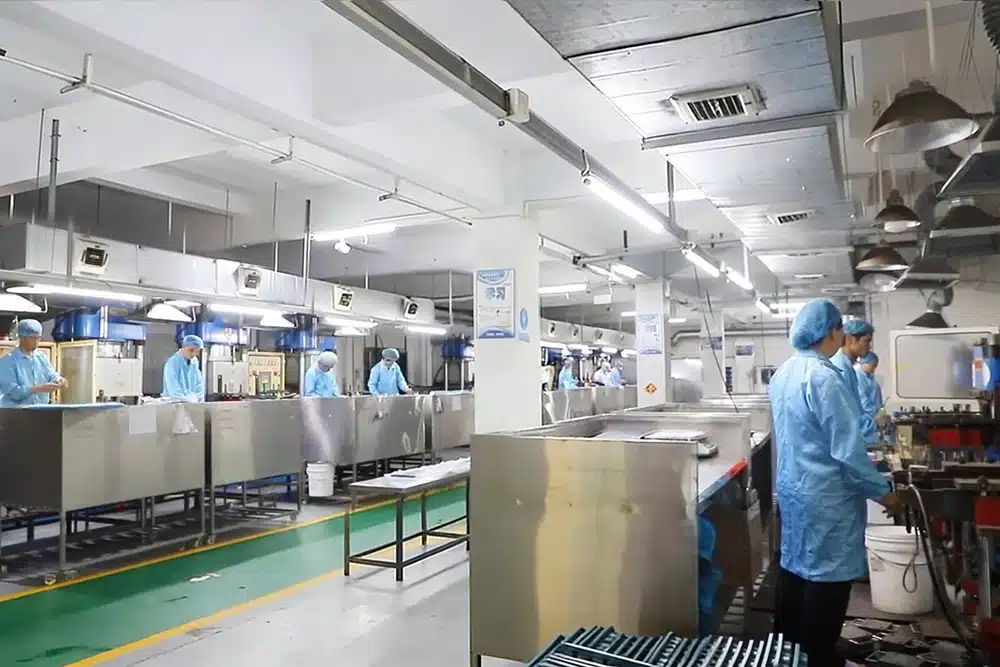
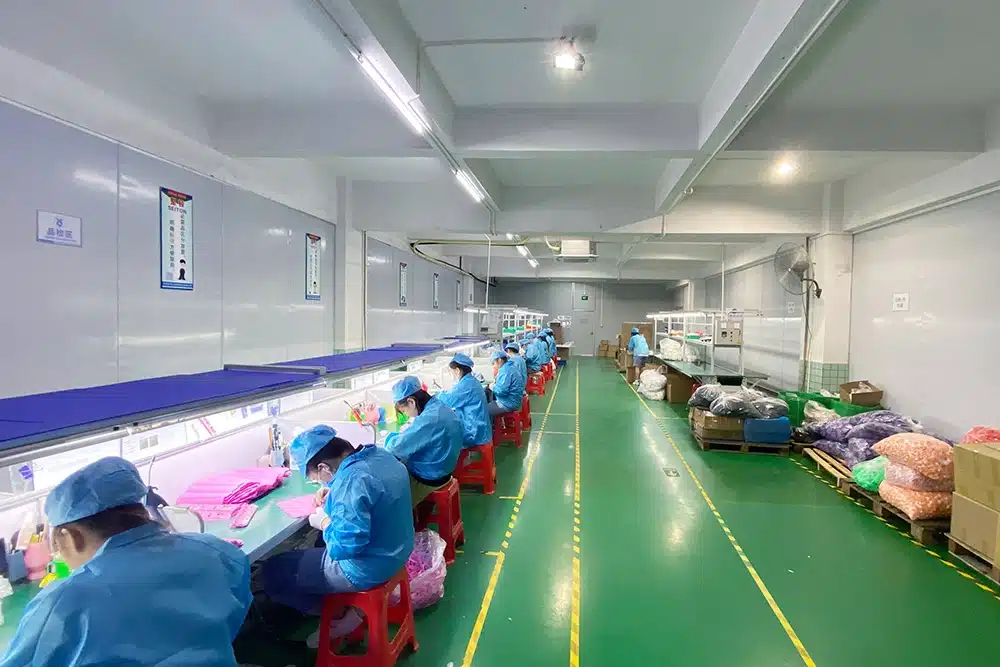
| Clean Packaging Environment | Helps protect finished products for kitchen or retail use | Meets strict hygiene expectations |
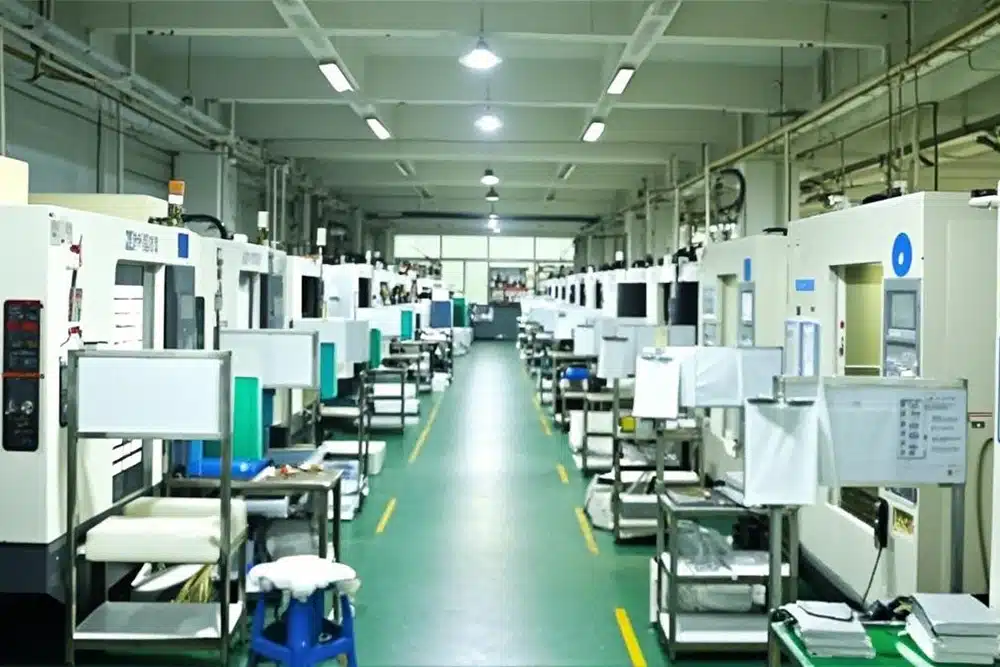
The in-house design of molds and CNC machining provides us with tighter tolerances and quicker design cycles. This is precisely the type of control that OEM buyers require when introducing next-generation custom silicone mats.
What These Trends Mean for OEM/ODM Buyers
These trends imply that buyers have to begin with the usage, rather than just the look. The best projects are initiated with well-defined performance requirements as opposed to generic specifications.
| Buyer Decision | Why It Matters |
| Define the Application First | Prevents generic design and wrong material selection |
| Confirm Material Requirements | Supports safety, durability, and performance |
| Plan Texture and Thickness Together | Improves grip, cleaning, and cost control |
| Choose Branding Method Early | Avoids mold revisions and unclear logo results |
| Review Manufacturing Feasibility | Reduces tooling and production risks |
| Test Samples | Confirms performance before mass production |
| Plan Packaging Early | Supports cost, presentation, and sustainability |
| Evaluate Supplier Capability | Ensures the design can be produced consistently |

What Buyers Should Prepare for Future Silicone Mat Projects
Enhanced preparation assists in transforming trends into producible products. The more detailed the brief you provide to your manufacturer, the more the whole development process will be smoother.
| Information to Prepare | Why It Helps |
| Application Description | Helps define real product function |
| Target User | Guides design, size, texture, and branding |
| Product Size | Affects material usage and mold planning |
| Thickness Requirement | Balances durability, flexibility, and cost |
| Material Grade | Ensures performance and safety |
| Surface Texture Preference | Defines grip, drainage, cleaning, or positioning |
| Logo Requirement | Supports branding method selection |
| Color Standard | Helps maintain brand consistency |
| Temperature Exposure | Confirms heat resistance needs |
| Cleaning Method | Guides texture and material decisions |
| Insert or Overmolding Needs | Supports overmolding or co-molding planning |
| Packaging Concept | Aligns cost, presentation, and sustainability |
| Estimated Order Quantity | Helps evaluate tooling and production planning |
How to Choose a Manufacturer for Next-Generation Silicone Mats
Silicone mat projects that are future ready necessitate an improved development, tooling, molding, finishing and quality control capacity in suppliers. You should not consider promises when considering partners.
| Supplier Capability | Why It Matters for Future Silicone Mat Projects |
| Product Design Support | Helps turn concepts into manufacturable silicone products |
| Material Selection Support | Matches silicone grade to function, safety, and durability |
| In-House Mold Capability | Improves precision, communication, and development speed |
| Co-Molding Capability | Supports advanced multi-material or multi-color designs |
| Surface Finishing Options | Improves appearance and brand value |
| Sample Development | Allows real testing before production |
| Quality Control | Supports stable long-term product consistency |
| Packaging Support | Helps deliver retail-ready or B2B-ready products |
| OEM/ODM Experience | Supports development from idea to mass production |
Conclusion — The Future of Silicone Mats Is Functional, Custom, and Manufacturing-Driven
The future of silicone mats does not lie in complicating it. It is concerned with coming up with products that address actual user issues in a more efficient way; in terms of better grip, simpler cleaning, in stronger branding, more durable edges, or less sporadic manufacturing. Those brands that strategize such information will be in a good position to come up with silicone mats with a greater market value.With its application-specific design, superior silicone mat materials, smarter surfaces textures, embedded branding, eco-friendly practices, and accurate silicone mat production, visionary companies can produce custom silicone mats that are not only relevant today but will also be relevant in the years down the line. Successful projects begin with clear requirements and realistic expectations and an understanding manufacturing partner who knows not only the technical aspect but also the commercial objective of each new product.