
Sustainable silicone mats provide a viable solution to brands to lower their environmental footprint by substituting single-use products, such as disposable baking paper, plastic liners, or short-lived mats with durable and reusable materials. Their sustainability value is mainly based on the fact that the product life is long, the replacement is less frequent, and the design, choice of materials, production, and packing stages are well thoughtful.
The most sensible approach to making silicone mats sustainable is to make them durable (long life), reduce the amount of unneeded waste materials, select appropriate and safe silicone materials, streamline the product design where feasible, and organize product packaging and end-of-life management in a responsible manner. The common belief among many buyers is that silicone products are necessarily sustainable as they can be reused, but in reality, the sustainability of the product rests in the design, manufacturing, use, packaging and disposal of the product.
For brands developing reusable kitchenware, pet products, or home goods, sustainable silicone mats can be built on the principles of durability, material safety, production efficiency, and responsible packaging, and not just on some vague environmental promises. In HT Silicone, we have observed that a balance where these factors is achieved results in products that work consistently in addition to enabling more responsible sourcing decisions.
What Makes a Silicone Mat Sustainable?
Sustainability in silicone mats is much more than a single eco label and should be evaluated on the whole life cycle of the product, that is, raw material to end-of-life.
The main considerations are reusability which reduces the number of disposables, long life which reduces the number of replacements, food-safe materials to ensure safe repeated usage, efficient production that reduces scrap, and convenient packaging. The ease of cleaning and maintenance also increase life span, and the responsible planning resolves what to do with the mat when it finally comes to its end.
| Sustainability Factor | Why It Matters | Buyer Consideration |
| Reusability | Reduces reliance on disposable liners or short-life products | Design for repeated daily use |
| Durability | Extends product life and reduces replacement frequency | Choose material and thickness based on real use |
| Material Safety | Supports responsible kitchen, pet, or household use | Use suitable food-grade or application-specific silicone |
| Efficient Production | Reduces manufacturing waste and rework | Review mold layout, trimming, and defect control |
| Simple Product Structure | Makes end-of-life handling easier | Avoid unnecessary mixed materials if not needed |
| Responsible Packaging | Reduces packaging waste | Choose packaging based on channel and protection needs |
| Recyclability Planning | Helps buyers avoid vague sustainability claims | Confirm realistic recycling options before marketing |

How Reusability Helps Reduce Waste
The capability of using silicone mats over numerous cycles is one of the greatest sustainability benefits of silicone mats, which not only reduces the number of single-use products.
In the kitchen, a silicone mat of high quality can be used instead of parchment paper, or even a disposable tray liner, and used in hundreds of baking times. Prep sheets can be washed in food preparation areas and this is beneficial in eliminating the amount of waste disposed of every day. Reusable silicone mats can be used to feed pets, thus preventing the necessity to dispose of plastic liners or paper mats so regularly. They offer protection that is tough yet does not need disposal all the time even in business environments such as bars or craft areas.
| Use Scenario | Disposable Alternative Reduced | Sustainability Benefit |
| Baking | Parchment paper or disposable tray liners | Reduces single-use kitchen waste |
| Food Preparation | Disposable prep sheets | Supports repeated washable use |
| Pet Feeding | Short-life plastic liners or paper mats | Reduces frequent replacement |
| Bar / Countertop Use | Disposable absorbent pads | Improves durability and reuse |
| Craft or Work Surface | Single-use protective sheets | Provides a reusable protective surface |
Material Selection for More Responsible Silicone Mats
The choice of materials is considered to be the most fundamental as it directly affects the safety, durability, and longevity of the products and the validity of any sustainability arguments made towards custom silicone mats.
Focusing on food grade silicone would be a guarantee of safe contact in kitchen and baking usage. Heat resistant formulations retain performance at repeated high temperatures. Platinum-cured silicone can provide a cleaner profile in sensitive applications. The use of stable pigments eliminates an early discolouring which may result in an earlier replacement, and the use of unnecessary additives is kept to a minimum.
| Material Decision | Sustainability Impact | Practical Recommendation |
| Food-Grade Silicone | Supports safe repeated contact with food | Use for baking, kitchen, and food-prep mats |
| Heat-Resistant Silicone | Extends life in high-temperature applications | Match temperature rating to real use conditions |
| Platinum-Cured Silicone | May be suitable for premium or sensitive applications | Use where cleaner curing profile is required |
| Stable Pigments | Helps reduce discoloration and premature replacement | Confirm pigment performance during sampling |
| Fewer Unnecessary Additives | Supports simpler material composition | Avoid additives that do not serve real function |
| Suitable Hardness | Improves product lifespan and usability | Choose hardness based on flexibility and durability needs |

Design Strategies to Reduce Material Waste
One of the most direct effects of the utilization of silicone mats in terms of material utilization and the waste generated during the process of production is the product design.
It saves a lot of material by right-sizing of the mat to actual use dimensions. Thickness that suits functionality, not thinness that resorts to thicker material, will conserve silicone without impairing functionality. Streamlining edges and not using too complex geometries minimizes trimming wastes and defect. Planning the mold layout at the design stage also maximizes the material flow and reduces scrap.
| Design Choice | Waste Risk If Poorly Planned | Better Approach |
| Oversized Mat | Uses more silicone than needed | Size the mat based on real use dimensions |
| Excessive Thickness | Increases material consumption and curing time | Match thickness to function and durability needs |
| Complex Edge Design | Creates trimming waste and higher defect risk | Use clean edges where possible |
| Deep Decorative Patterns | Increases tooling complexity and cleaning issues | Use texture only where it adds function |
| Mixed Materials | Can complicate recycling and disassembly | Use inserts only when they add clear value |
| Poor Mold Layout | Increases scrap and production inefficiency | Review cavity layout and material flow early |
Reducing Scrap During Silicone Mat Production
Despite good design, the manufacturing process actually defines the level of scrap produced when making batches of custom silicone mats.
Right design of the mould minimizes flash and dimensional problems. Constant material mixing eliminates color change and causes a batch rejection. Accurate control of curing prevents under- or over-cured flaws. Problems are identified during in-process inspections, and the comprehensive approval of samples prior to mass production allows identifying costly errors. When possible, it is the responsibility of managing process scrap to help in overall efficiency.
| Production Factor | Waste Reduction Benefit |
| Accurate Mold Design | Reduces flash, trimming waste, and dimensional defects |
| Stable Material Mixing | Helps avoid color variation and batch rejection |
| Controlled Curing | Reduces under-cured or over-cured defective products |
| Consistent Thickness | Improves product performance and reduces rejects |
| In-Process Inspection | Catches issues early before large batches are affected |
| Sample Confirmation | Prevents mass production errors caused by unclear requirements |
| Packaging Inspection | Avoids product damage during storage and shipping |
Packaging Choices for Sustainable Silicone Mat Products
There is often a disregard of packaging, but this type of waste can contribute significantly to the total amount of waste of silicone mats products.
Choosing packaging that fits the channel of sales and offers protection sufficient to prevent over use of material but at the same time offers enough protection to the product will serve to minimize the environmental footprint before the product even gets to the customer.
| Packaging Option | Best For | Sustainability Consideration |
| Bulk Packaging | B2B or wholesale orders | Reduces individual packaging waste |
| Paper Sleeve | Retail and brand presentation | Lower plastic use and easy display |
| Recyclable Paper Card | Retail shelves or hanging display | Supports clearer sustainability messaging |
| Minimal Packaging | Direct-to-consumer or internal use | Reduces material but must still protect product |
| Retail Box | Premium products | Use only when added protection or branding justifies it |
| Compostable / Recyclable Mailer | E-commerce shipping | Confirm durability and local disposal options |

Can Silicone Mats Be Recycled?
Silicone mats are the best in terms of reusability, but recyclability must be considered since the material does not fit within the normal recycling streams.
Recyclability is largely based on the ability to maintain the product as pure and un-complicated as it can be, without the presence of contaminants or mixed components, which may be difficult to process.
| Recyclability Factor | Why It Matters | Buyer Guidance |
| Material Purity | Single-material silicone is easier to handle than mixed-material products | Keep structure simple when recyclability is a priority |
| Additives and Pigments | May affect recycling compatibility | Use necessary and stable additives only |
| Inserts | Metal, plastic, or magnets may complicate recycling | Design for disassembly if needed |
| Contamination | Food, oil, or residue may reduce recyclability | Provide cleaning instructions |
| Local Recycling Access | Not all regions accept silicone | Avoid broad claims without verification |
| End-of-Life Program | Can improve responsible handling | Explore specialized recycling or take-back options |
Common Sustainability Mistakes Buyers Should Avoid
Silicone mats have the potential to be the downfall of even the most well-intentioned buyers just because of some of the most common mistakes made during their development.
These pitfalls can be avoided to make sure that the claims are correct and that the final product actually aids in reducing wastes.
| Mistake | Possible Problem | Better Approach |
| Vague Eco Claims | May reduce trust or create compliance risk | Use specific, verifiable wording |
| Weak Material Choice | Product fails early and creates more waste | Choose durable material for real use conditions |
| Overly Complex Design | Increases scrap and recycling difficulty | Keep structure practical and functional |
| Unnecessary Inserts | Complicates end-of-life handling | Use inserts only when functionally needed |
| Excessive Packaging | Increases total product waste | Match packaging to protection and sales channel |
| Unsupported Recycling Claims | Can be misleading | Verify recycling options before marketing |
| No Sample Testing | Higher defect risk in mass production | Confirm durability, cleaning, and appearance before production |
What Buyers Should Ask Suppliers About Sustainability
The process of responsible sourcing of custom silicone mats starts with the targeted questions that concentrate on the practice of manufacturing reality and not on the marketing buzz words.
These questions will assist buyers to determine whether a supplier can fulfill promises of waste reduction by using established procedures.
| Supplier Question | Why It Matters |
| What silicone grade do you recommend for this use? | Helps avoid under-specification or over-specification |
| Can the thickness be optimized? | Reduces unnecessary material use |
| Can the mold design reduce flash and scrap? | Improves production efficiency |
| What packaging options reduce waste? | Supports lower packaging impact |
| Can the product remain single-material? | Helps simplify end-of-life handling |
| What durability tests are recommended? | Confirms the product can be reused long-term |
| Can samples be tested before bulk production? | Reduces mass production waste |
| What claims can be supported responsibly? | Helps avoid greenwashing |
How to Choose a Manufacturer for Sustainable Silicone Mat Projects
When it comes to waste minimization and responsible manufacturing, choosing the appropriate manufacturer of OEM silicone mats is of utmost importance.
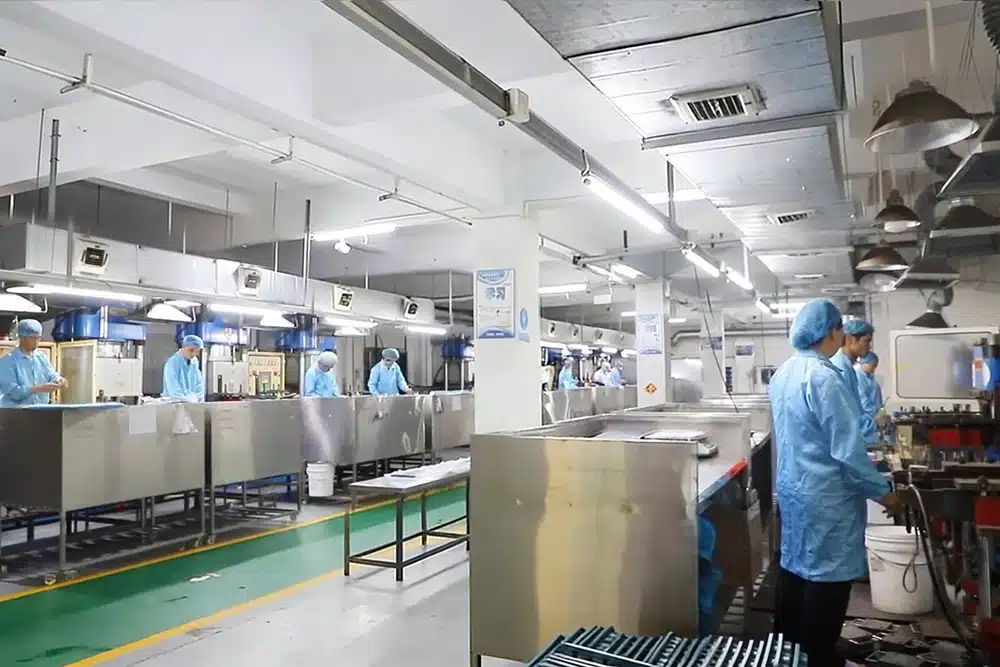
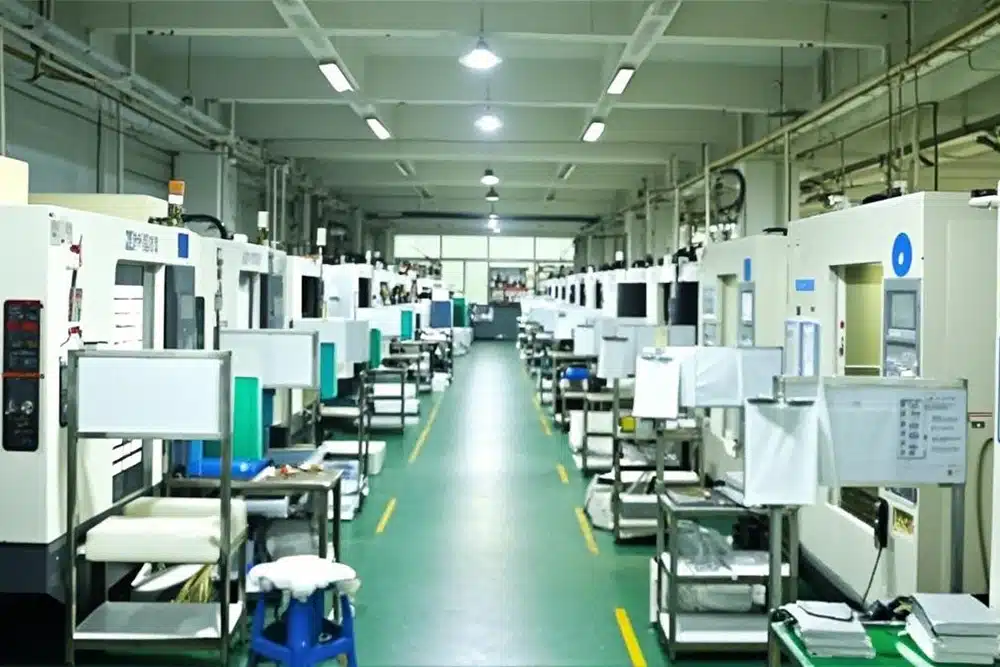
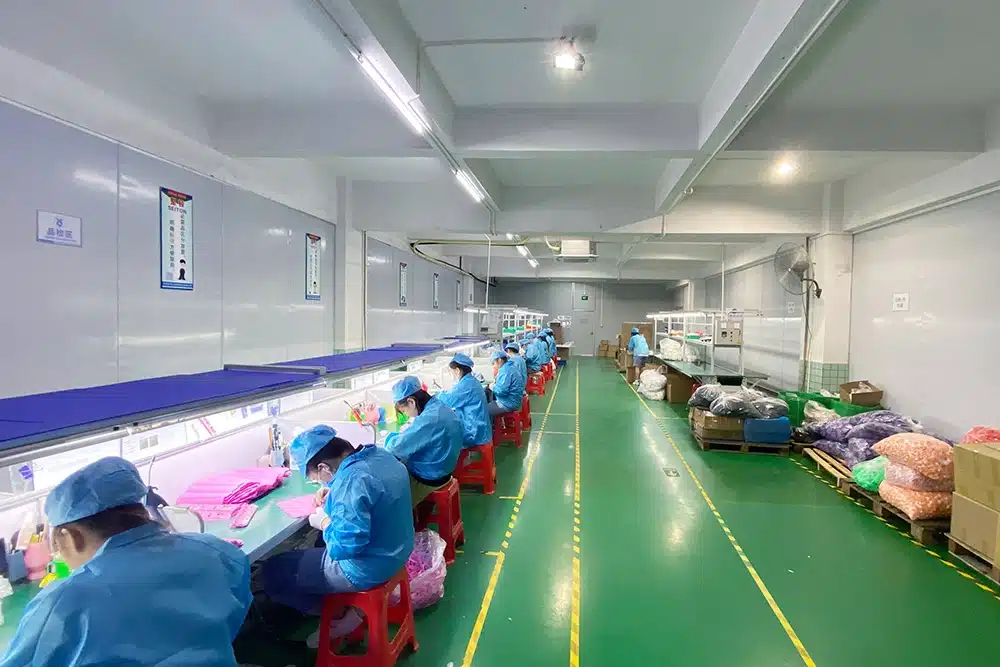
Measurability Assess suppliers according to their capacity to deliver material selection advice, design-for manufacturing (DFM) audits that uncover chances to reduce wastes, in-house molding capacity to achieve precision, consistent production controls, stringent quality checks, and adaptable packaging assistance. The history of reusable silicone product and clean manufacturing environment also points to the ability to achieve both sustainability objectives and performance.
| Supplier Capability | Why It Supports Sustainability |
| Material Selection Support | Helps choose safe, durable, and application-fit silicone |
| DFM Review | Reduces unnecessary material use and design-related waste |
| In-House Mold Capability | Improves tooling accuracy and reduces production defects |
| Stable Production Control | Reduces scrap, rework, and batch inconsistency |
| Quality Inspection | Extends product reliability and reduces early failure |
| Packaging Support | Helps reduce excessive or unsuitable packaging |
| OEM/ODM Experience | Supports better planning from concept to mass production |
| Clean Assembly Environment | Helps protect finished products from contamination |
Conclusion — Sustainable Silicone Mats Start with Better Design Decisions
A greener silicone mat would be one that is durable, reliable, does not waste materials unnecessarily and has a responsible packaging. Covering material choice, product design, manufacturing effectiveness, and end-of-life management at the most initial phases, brands will be able to create tailor-made silicone mats that will bring tangible value to customers and contribute to a more eco-friendly approach.
The design and production of sustainable silicone mats deals with trade-offs that are practical, although, it is always better to concentrate on durability, simplicity, and efficiency instead of making false claims about the product.