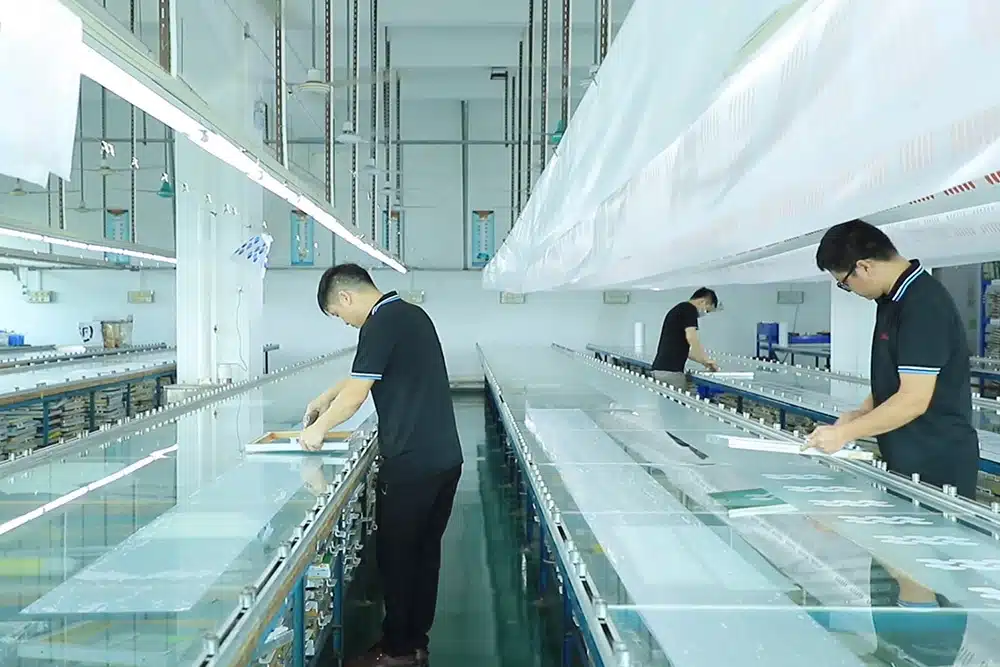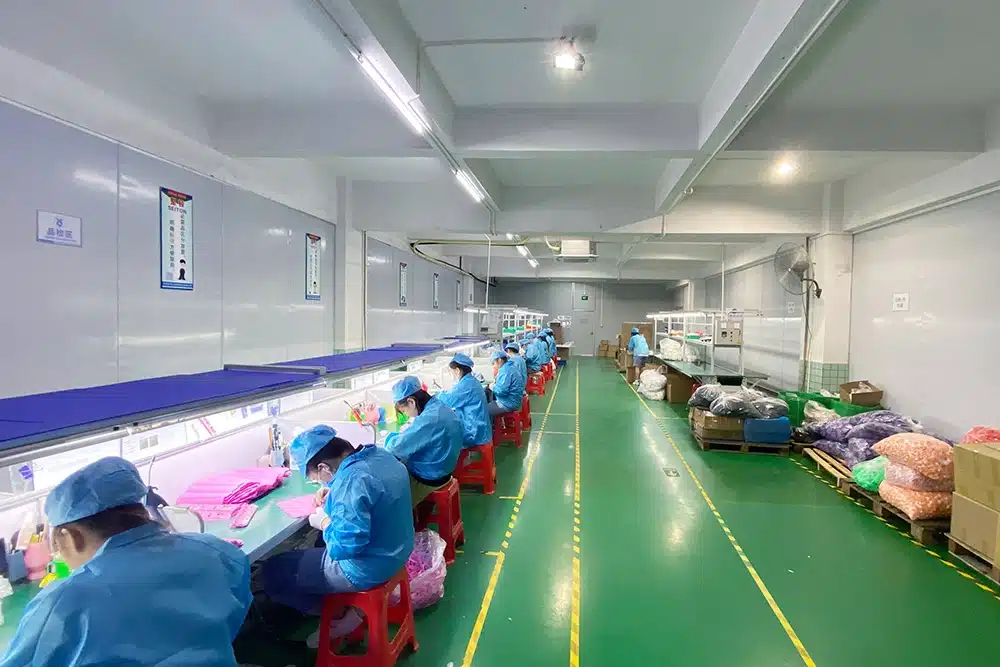

Large volume orders of custom silicone mats can significantly reduce the unit cost through economies of scale, but only if all specifications and production aspects are carefully considered from the beginning. Key cost factors include silica material grade, total mat size and weight, thickness, geometry, mold design, branding, surface treatment, package type, order quantity and the level of product inspection. Savvy buyers look beyond the unit cost of silicone mats to consider the overall value of the project, because skimping on food safety, thermal stability, material durability, or rigorous quality control measures can lead to costly returns, replacements or damaged brand reputation later.
The best approach to designing cost-effective silicone mats is to clarify the intended application, eliminate unnecessary design elements, select appropriate material grade, align branding processes with order volumes and choose a manufacturer who can review design manufacturability prior to tooling.
Not all buyers understand that the best price is not always achieved with the highest order volume. However, in actual OEM production, poor product design (unneccessary thickness, complex logos, inefficient mold layouts, or ambiguous packaging) can still increase the cost of the product even in high-run production. For brands planning bulk production, developing cost-effective silicone mats requires balancing material performance, mold efficiency, branding method, packaging requirements, and long-term product durability. When these elements align, you achieve reliable performance at a competitive price point without surprises during mass production.
What Drives the Cost of Custom Silicone Mats?
The cost of silicone mats is a result of the interaction between raw material costs, tooling costs, production cycle time, secondary processing, packaging and process control. Understanding these factors early on enables procurement teams to distinguish between essential and non-essential costs so as to offer quotations that align to the realities of manufacturing.
| Cost Factor | How It Affects Price | Buyer Consideration |
| Material Grade | Food-grade, heat-resistant, or specialty silicone may cost more | Choose the material based on real application needs |
| Mat Size | Larger mats require more silicone material | Confirm exact functional size before quoting |
| Thickness | Thicker mats increase material weight and curing time | Avoid over-specifying thickness |
| Mold Complexity | Complex shapes or patterns require more tooling work | Simplify non-essential geometry where possible |
| Logo Method | Printing, embossing, or co-molding have different costs | Match branding method to volume and durability needs |
| Color Requirements | Custom or multi-color designs may increase setup cost | Use brand colors strategically |
| Packaging | Retail packaging costs more than bulk packaging | Choose packaging based on sales channel |
| Order Quantity | Higher volume can reduce unit cost | Plan realistic annual demand where possible |

By understanding these drivers, you take the guesswork out of estimating and enable an informed approach to negotiation.
Strategy 1: Define the Application Before Choosing Specifications
Lack of clarity around the application is one of the quickest paths to over-design (and build in unnecessary cost) or under-design (and not meet product performance expectations). By starting with the application of the mat, you remove potential features that can be expensive but are not needed by the customer.
| Application Requirement | Cost Impact | Optimization Tip |
| Food Contact | Requires suitable food-grade silicone | Do not downgrade material for food-use products |
| High Temperature Use | Requires heat-resistant silicone | Match temperature rating to real use conditions |
| Non-Slip Function | May require texture or pattern | Use texture only where it adds value |
| Outdoor Use | May require UV/weather resistance | Avoid outdoor-grade material if not needed |
| Heavy-Duty Use | May require thicker silicone | Use thickness based on load and durability needs |
| Promotional Use | May prioritize branding and appearance | Avoid unnecessary technical specifications |
Documenting these details before soliciting bids avoid cost increases due to multiple rounds of iterations and revisions.
Strategy 2: Optimize Material Grade Without Reducing Safety
Choice of material is one of the biggest opportunities for cost reduction, as long as safety is never compromised and regulatory standards are always met. The objective is to ensure that the silicone compound is tailored exactly to the product environment rather than taking the most costly route, which makes early material selection a critical part of cost control.
| Material Choice | When It Makes Sense | Cost Optimization Advice |
| Standard Food-Grade Silicone | Kitchen, baking, and food-contact mats | Use when direct food contact is required |
| Heat-Resistant Silicone | Baking mats or hot-surface applications | Specify actual temperature range needed |
| Platinum-Cured Silicone | Premium food-contact or sensitive applications | Use where cleaner curing profile is required |
| Peroxide-Cured Silicone | Some non-food or cost-sensitive applications | Confirm odor, post-curing, and compliance needs |
| Specialty Silicone | UV, chemical, or extreme performance needs | Use only when application truly requires it |

Savvy customers will examine the compliance certificates and ask for material samples for small runs to test performance before moving into production, especially when comparing compounds such as Platinum-Cured Silicone for sensitive applications.
Strategy 3: Control Thickness and Material Weight
Weight is one of the most transparent cost factors in custom silicone mats. Each extra millimeter of thickness compounds material costs, processing time and freight costs, but many projects use thicker thickness “just in case”.
| Thickness Range | Typical Use | Cost / Performance Note |
| 1–2 mm | Lightweight liners, promotional mats | Lower material cost but less cushioning |
| 2–4 mm | General kitchen, baking, or desk mats | Balanced performance and cost |
| 4–6 mm | Commercial or heavy-duty mats | More durable but higher material use |
| 6 mm+ | Industrial or specialized mats | Use only when load, insulation, or durability requires it |
Through load, flex and durability testing and validating thickness requirements, you often find that a moderate specification provides the necessary balance of performance and cost.
Strategy 4: Simplify Mold Design and Product Geometry
Design complexity increases up-front tooling costs and downstream manufacturing issues. Each undercuts, deep grooves, and sharp corners demand more machining operations, polishing processes, and potential for defects during demolding and trimming.
| Design Feature | Potential Cost Impact | Optimization Recommendation |
| Complex Outer Shape | Higher tooling and trimming cost | Use clean functional shapes where possible |
| Deep Grooves | Longer tooling and cleaning challenges | Keep grooves practical and easy to clean |
| Fine Texture | Higher mold precision required | Use texture only where grip or appearance matters |
| Sharp Corners | May increase tearing or demolding difficulty | Use proper radii for better production stability |
| Undercuts | Increase mold complexity | Avoid unless functionally necessary |
| Large Logo Area | May affect molding or printing cost | Keep logo size balanced and readable |
A manufacturability study – or DFM (design for manufacturing) – prior to cutting steel can eliminate these cost drivers and still maintain the mat’s functionality.
Strategy 5: Choose the Right Branding Method for Your Volume
Branding turns an everyday mat into a promotional tool, but the branding method must be compatible with both the mat’s expected lifespan and order size to be cost-effective. An economical choice for 500 mats may not be economical for 50,000.
| Branding Method | Best For | Cost Consideration |
| Silk Screen Printing | Color logos and promotional products | Lower setup cost but wear resistance should be tested |
| Embossing | Durable molded-in logo | Tooling cost may be higher, but no printing step needed |
| Debossing | Subtle long-term branding | Good for simple brand marks |
| Laser Engraving | Permanent marks or technical details | May be suitable for small logo areas |
| Multi-Color Molding | Premium visual branding | Higher process complexity and cost |
| Co-Molding | Premium inserts or functional branding | Use only when added value justifies cost |
Choosing the right method based on volume projection and consumer expectations ensures you don’t pay for features that outlive the product or worse, wear off too soon; for many branded mat projects, Silk Screen Printing remains a practical option when cost and visual impact need to stay balanced.
Strategy 6: Plan Order Quantity and Production Batches Carefully
Order quantity affects much more than just the price per unit. It impacts amortization of tooling costs, efficiency of the production set-ups, carrying costs of inventory and even the manufacturer’s willingness to invest in process improvements.
| Quantity Factor | Cost Impact | Buyer Tip |
| MOQ | Affects setup efficiency and unit price | Ask for MOQ based on real production setup |
| Tooling Cost | Spread across production volume | Evaluate tooling cost with expected lifecycle volume |
| Trial Order | Reduces launch risk | Use for market testing before larger orders |
| Bulk Order | Improves unit price | Confirm demand to avoid excess inventory |
| Reorder Plan | Reduces future planning pressure | Share forecast when possible |
| Lead Time | Rush orders may increase cost | Plan production early to avoid urgency fees |
Providing an honest annual forecast (even if you order in batches) enables the factory to plan effectively and pass on true economies to you.
Strategy 7: Optimize Packaging Without Hurting Product Presentation
Packaging costs can often take up a higher percentage of landed cost than the buyer might anticipate, particularly for retail and e-commerce applications. A balance works to protect the product, tell your brand story and avoid waste.
| Packaging Type | Best For | Cost Optimization Tip |
| Bulk Packaging | B2B, wholesale, internal use | Lowest packaging cost per unit |
| Individual Bag | Basic retail or ecommerce | Simple and protective |
| Paper Card / Sleeve | Retail shelf display | Good balance of branding and cost |
| Custom Box | Premium retail products | Use when presentation value justifies cost |
| Eco Packaging | Sustainability-focused brands | Confirm cost, durability, and supply availability |
| Barcode / Label | Retail and inventory systems | Prepare requirements early to avoid rework |

Specifying packaging with the initial request for quotation avoids nasty surprises that can wipe out the gains made in material and manufacturing.
Common Cost Mistakes Buyers Should Avoid
Even the experienced procurement team can fall victim to practices that slowly eat away at project profit. By being aware of these costly mistakes, you can avoid them in your sourcing.
| Mistake | Possible Result | Better Approach |
| Selecting Only by Lowest Price | Quality, safety, or durability problems | Compare material, tooling, QC, and packaging together |
| Over-Specifying Thickness | Higher material cost without real benefit | Match thickness to application |
| Complex Logo Design | Higher tooling or printing cost | Simplify logo for silicone production |
| Late Design Changes | Tooling revisions and delays | Finalize design before mold making |
| Ignoring Packaging | Unexpected total cost increase | Include packaging in the initial quotation |
| Unclear Specifications | Inaccurate quotes and revisions | Provide drawings, samples, and requirements early |
| Comparing Unequal Quotes | Misleading price judgment | Ensure all suppliers quote the same specifications |
A simple pre-RFQ checklist can save weeks of negotiation and thousands of dollars in wasted time and money.
What Buyers Should Prepare Before Requesting a Bulk Quote
The fastest way to achieve realistic pricing and successful production is to ensure all information is complete and accurate at the time of quotation. Before you
request a bulk quote, complete specifications are essential because we can only quote what we know.
| Information to Prepare | Why It Helps With Cost Optimization |
| Product Size | Determines silicone material usage |
| Thickness Requirement | Helps calculate weight and molding needs |
| 2D Drawing | Clarifies dimensions, tolerances, and design details |
| 3D File | Supports manufacturability review |
| Material Requirement | Avoids under-specification or over-specification |
| Color Requirement | Helps estimate pigment and production setup |
| Logo Method | Affects tooling, printing, or finishing cost |
| Surface Texture | Influences mold design and cleaning performance |
| Order Quantity | Helps calculate setup efficiency and unit price |
| Packaging Requirement | Prevents hidden cost changes later |
| Compliance Needs | Ensures the right material and testing plan |
| Existing Sample | Helps the manufacturer benchmark function and quality |
When these details arrive together, the cost quotation is backed by real production costs and not estimates or allowances for uncertainties.
How to Evaluate a Supplier for Cost-Effective Bulk Production
Understanding the true cost comes down to the supplier’s capability, rather than simply the bottom dollar. Suppliers with these capabilities will help you achieve the cost reduction you estimated.
| Supplier Capability | Why It Matters for Cost Control |
| Material Selection Support | Prevents over-specification and material mismatch |
| DFM Review | Reduces tooling changes and production defects |
| In-House Mold Capability | Improves tooling efficiency and communication |
| Flexible Branding Options | Helps choose cost-appropriate logo methods |
| Stable Production Process | Reduces defect rate and rework cost |
| Quality Control | Helps avoid costly failures after delivery |
| Packaging Support | Allows better total cost planning |
| OEM/ODM Experience | Supports smoother development from sample to mass production |
A tour or samples of what they have recently produced and quality control reports are tangible evidence of these capabilities, especially when assessing In-House Mold Capability and its effect on tooling efficiency.
Conclusion — Cost Optimization Means Better Planning, Not Lower Quality
Bulk purchases of custom-made silicone mats are most economical when the product is built for its intended environment, not over- or under-engineered. With some careful planning, by providing technical specifications and partnering with a reputable silicone manufacturing company, purchasers can achieve cost savings without affecting product quality and market readiness. The secret is planning, specifications, and working in partnership with a cost engineer to arrive at an optimum cost, not a lowest price. By matching material, design, tooling, branding, packaging, and quality systems, you get durable, high-quality silicone mats that will serve your brand well for years to come – without any nasty surprises.