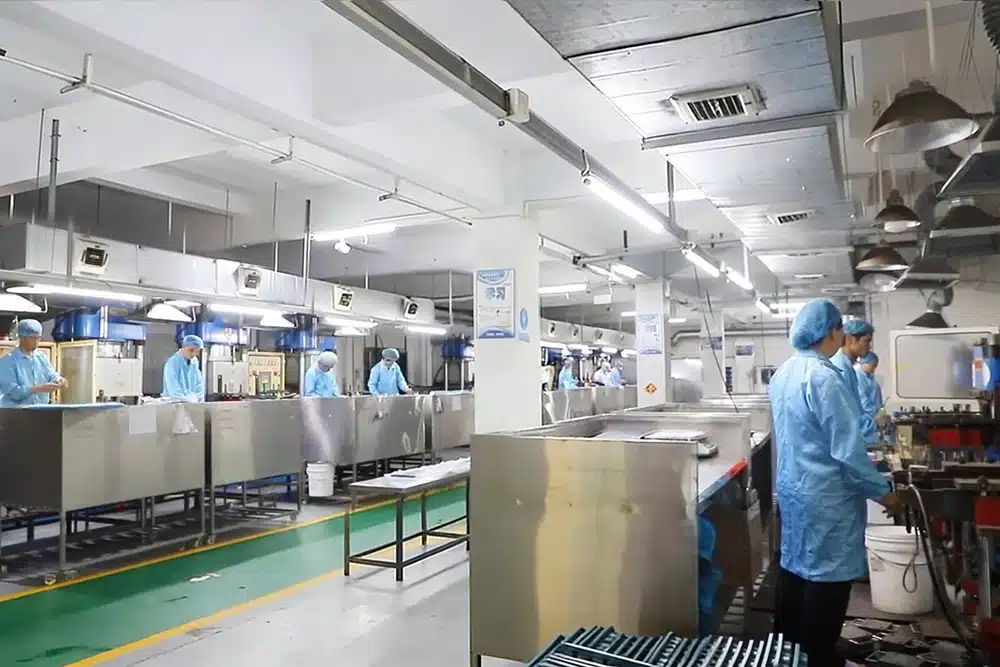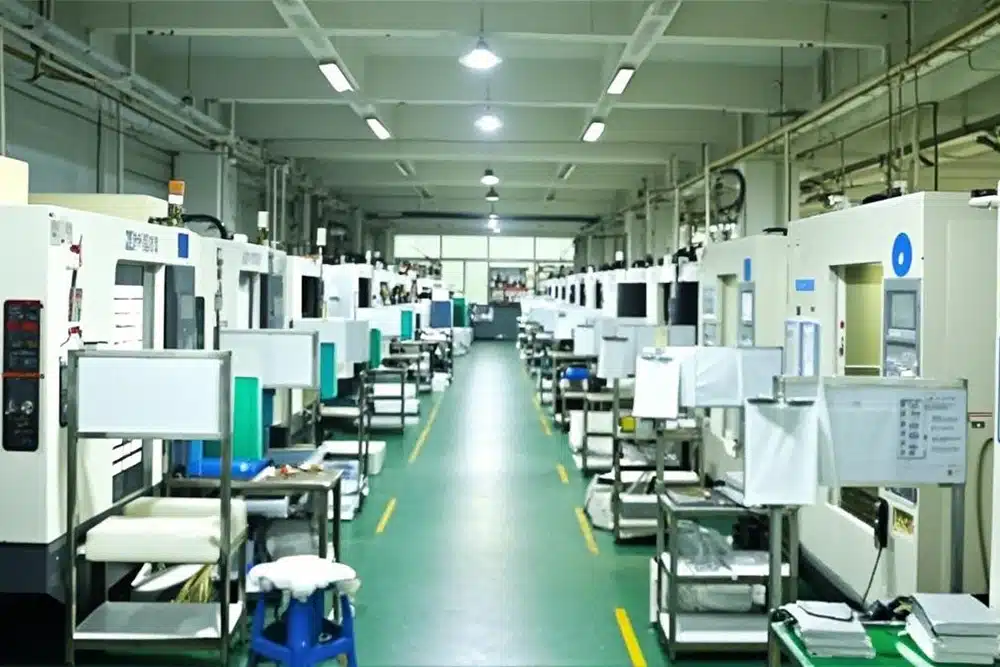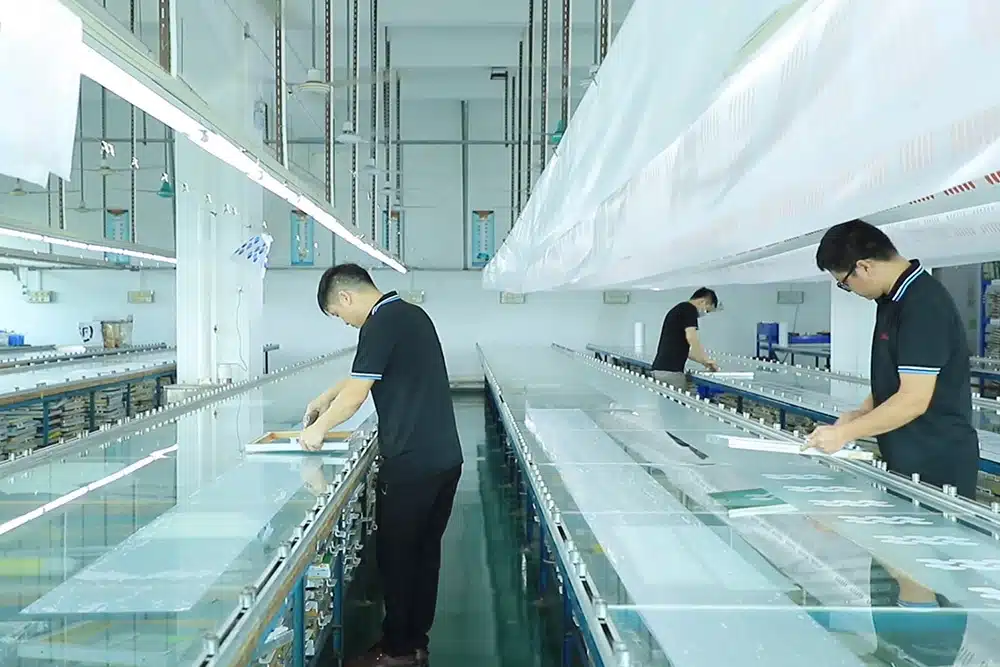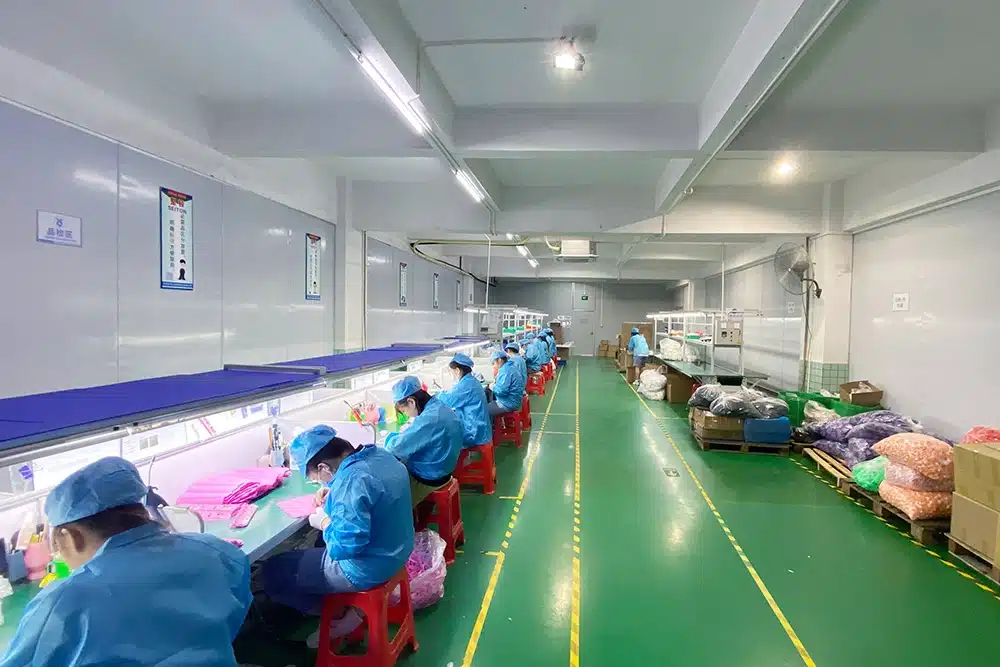

Silicone molding technologies are also moving toward smarter process control, increased ability to select materials, automation where appropriate, cleaner production criteria, more accurate tooling, sustainability enhancements, and enhanced quality traceability. These changes directly affect the way custom silicone parts are designed, quoted, tooled, sampled, produced, inspected and delivered to the customer.
Conventional forms such as compression molding will not be phased out. Rather, they will blend better with data-driven processes and engineering systems. A lot of consumers are still of the opinion that the future is only of faster machines. Practically, the greater change is in developing larger and more stable, traceable, efficient, and application-specific production systems.
Automation is not the most significant future trend in silicone molding, but rather the capacity to integrate material expertise, tooling accuracy, process consistency, inspection information and versatile OEM manufacturing into a single trusted manufacturing system.
Why Silicone Molding Technology Is Evolving
Custom silicone components are today utilized in more challenging applications in automotive, medical related products, personal care, electronics, pet products, home products and industrial components. The buyers would demand increased consistency, clean production, reduced development cycle, constant quality, and greater documentation.
Consequently, silicone molding vendors need to enhance process control, engineering assessment, tooling accuracy, quality systems and flexibility in production. The following changes are based on actual requirements: reduced defect risk, improved repeatability, increased sampling rates and enhanced long-term supply reliability.
For OEM buyers planning long-term custom silicone products, the future of silicone compression molding should be evaluated through process stability, process stability, material capability, tooling accuracy, and quality traceability, and not machine speed, should be considered the future of silicone compression molding.

Trend 1: Smarter Process Control and Production Data
The silicone molding of the future will be based more on the controlled production parameters and the documented process data. Curing time, pressure, temperature, material weight, venting and demolding timing are all important factors in obtaining repeatable quality.
Process data assists manufacturers to minimize the number of defects, assist repeat orders, and troubleshoot problems more effectively. To OEM purchasers, this is particularly important when products must maintain constant dimensions, consistent sealing, consistent hardness or reliable long-term supply.
| Process Control Area | Future Improvement Direction | Buyer Benefit |
| Mold temperature | More stable heat monitoring | Better curing consistency |
| Pressure control | More repeatable molding conditions | Reduced flash and filling variation |
| Curing time | More controlled cycle validation | More stable hardness and performance |
| Material loading | More accurate weight control | Less short fill and excess flash |
| Process records | Better traceability | Easier repeat production |
| Defect tracking | More systematic root-cause analysis | Lower recurring quality risk |
Trend 2: More Automation in Silicone Molding Production
Automation is becoming significant in the areas of material preparation, molding operation, demolding, trimming, inspection, assembly and packaging. It is able to minimize variation in manuals and assist larger scale operations with more reliability.
Nevertheless, automation is most effective in combination with appropriate design of the part, proper choice of the material, and well-designed tooling. In the case of most custom silicone products, semi-automatic or hybrid methods can be more feasible than complete automation.
| Automation Area | Possible Impact | Practical Limitation |
| Material preparation | Better weight consistency | Requires stable material and process setup |
| Mold operation | More repeatable cycles | Tooling must support automation |
| Demolding | Lower labor variation | Soft or complex parts may still need care |
| Trimming | More consistent edges | Not all part shapes are easy to automate |
| Inspection | Faster defect detection | Human review may still be needed |
| Packaging | Better efficiency | Custom packaging can remain labor-intensive |
Trend 3: Advanced Silicone Materials for Specific Applications
Silicone products in the future will require more application specific material selections. Consumers are demanding enhanced heat resistance, tear strength, compression recovery, softness, transparency, electrical resistance, food-contact, or feel.
The choice of materials would have to be related closely to product design and process control. Manufacturers require robust material assessment skills and not mere availability of suppliers of raw materials.

| Material Trend | Application Relevance | Why It Matters |
| Higher heat resistance | Automotive, industrial, kitchenware | Supports demanding environments |
| Better tear strength | Sleeves, pet products, wearable parts | Reduces tearing during use |
| Lower compression set | Seals, gaskets, cushioning pads | Improves long-term recovery |
| Softer touch materials | Personal care, consumer goods | Improves user experience |
| Cleaner material systems | Healthcare, kitchenware, baby products | Supports stricter handling expectations |
| Color-stable silicone | Retail and branded products | Improves batch appearance consistency |
| Specialty surface feel | Premium consumer products | Adds functional and aesthetic value |
Trend 4: Precision Tooling and Better DFM Review
Even future silicone molding initiatives will rely more on early design-for-manufacturing (DFM) check-up. Precision in tooling, planning of parting lines, venting, demolding direction, wall thickness, radii and tolerance planning all become important as customers insist upon superior consistency.
Precision tooling does not just imply small dimensions but it implies creating molds that embody consistent, production that is predictable.
| Tooling / DFM Area | Future Importance | Manufacturing Benefit |
| Wall thickness review | Reduces uneven curing | Better dimensional stability |
| Parting line planning | Controls flash location | Better function and appearance |
| Venting design | Reduces bubbles and voids | Lower defect rate |
| Draft and demolding review | Reduces tearing and deformation | Smoother production |
| Mold surface finish | Supports appearance and release | Better surface consistency |
| Tolerance planning | Prevents unrealistic requirements | Better cost and QC balance |
| Mold maintenance planning | Supports repeat orders | Longer tooling reliability |
Trend 5: Cleaner Production and Higher Handling Standards
Clean production handling becomes increasingly relevant to silicone products used in personal care, food-contact, baby products, pet feeding products, healthcare accessory and high-end consumer products. The standard of cleanliness required will depend on the particular use.
Dust management, cleaning of molds, handlings of the operators, post-molding checks, and packaging all help in achieving greater standards. Buyers need to set cleanliness expectations clearly prior to sampling and quotation.
Trend 6: Sustainability and Waste Reduction in Silicone Manufacturing
The silicone molding sustainability activities aim at minimizing waste, enhancing production efficiency, defect control, material usage and service life design. Flash reduction, precise material loading, improved tooling and reduced rejection rates provide significant improvements in compression molding.
| Sustainability Direction | Practical Manufacturing Action |
| Reduce flash waste | Improve material weight control and mold fit |
| Lower defect rate | Strengthen process control and QC |
| Longer product life | Select suitable material and design |
| Efficient tooling | Improve cavity layout and production planning |
| Better packaging | Use right-sized and protective packaging |
| Energy-aware production | Improve cycle planning and equipment efficiency |
| Avoid overproduction | Align volume with real demand |
Trend 7: More Flexible OEM and ODM Development Models
Customers will demand more than mere molding on the part of silicone manufacturers. Full-process support – including design review and material recommendation, mold development, prototyping, finishing, assembly and packaging – are useful in minimizing communication and accelerating the development process.
Trend 8: Better Quality Traceability and Documentation
Consumers desire more transparency in the production and quality assurance. Traceability can encompass material batch records, process parameters, inspection records, dimensional records and corrective measures. Long-term or high-risk projects that require OEM are best suited to clear and practical documentation that can be used to repeat.
How These Trends Affect Silicone Compression Molding Specifically
Silicone compression modeling will continue to be very pertinent in numerous custom silicone components, notably in thicker, robust and functional OEM components. Its future is more control of processes, more perfect tooling, more economical material, less contaminated handling, and more robust QC systems.
Compression molding is not necessarily the quickest method, however, it is very cost effective and flexible with the help of modern manufacturing practice. They should evaluate a manufacturer on whether he / she can continuously improve the process and not whether they own the machines.
What Buyers Should Look for in Future-Ready Silicone Manufacturers
Intelligent purchasers consider long-term manufacturing capacity as opposed to only price in the short term. The main strengths encompassed are good engineering oversight, material experience, in-house molding, process consciousness, quality systems, clean handling, finishing, documentation preparedness, and a flexible production planning.
Common Misunderstandings About Future Silicone Molding
- Thinking that automation will ensure improved quality.
- The assumption is that injection molding will entirely replace compression molding.
- When the thinking is low unit cost, it is an indicator of improved technology.
- Seeing sustainability as a material problem.
- Failure to consider design-for-manufacturing in assessing technology.
- There should be an assumption that all silicone products require the same cleanroom environment.
- Looking at equipment lists rather than process capability.
- Hoping the new technology will correct poor product design.
- Holding the view that documentation is important to medical products.
- Selection of suppliers on the basis of machine types alone.
Conclusion — The Future of Silicone Molding Is Smarter, Cleaner, and More Controlled
Smart process control, selective automation, improved silicone materials, accurate tooling, cleaner production, sustainability initiatives, flexibility by OEM, and improved traceability will define the future of silicone molding technologies.
Compression molding will still remain a useful component with more robust engineering review and process stability, and quality systems. To buyers and product teams, the underlying decision is always to select a manufacturing partner that provides stable, scalable and application specific custom silicone parts manufacturing, not the newest equipment or the lowest price offer.
With such practical capabilities in mind, the OEMs and brands will create more robust supply chains and create more efficient silicone products in the future.