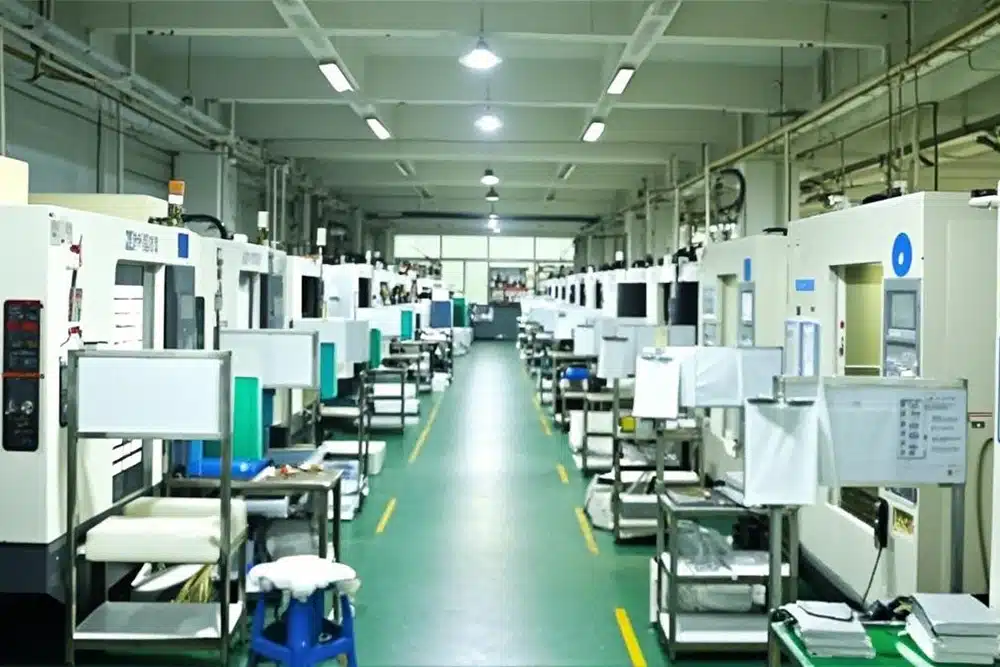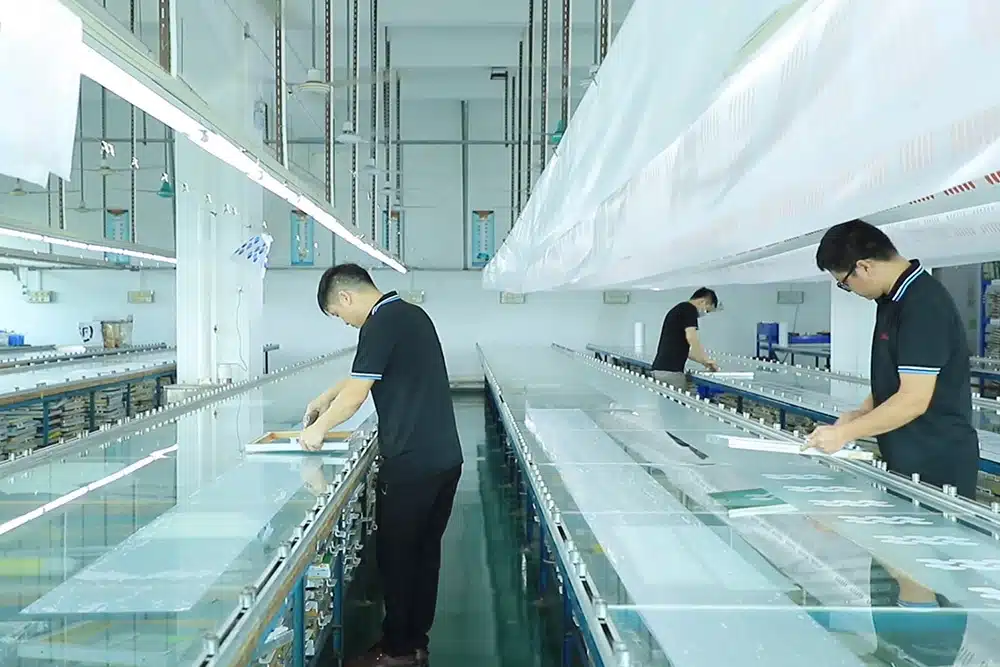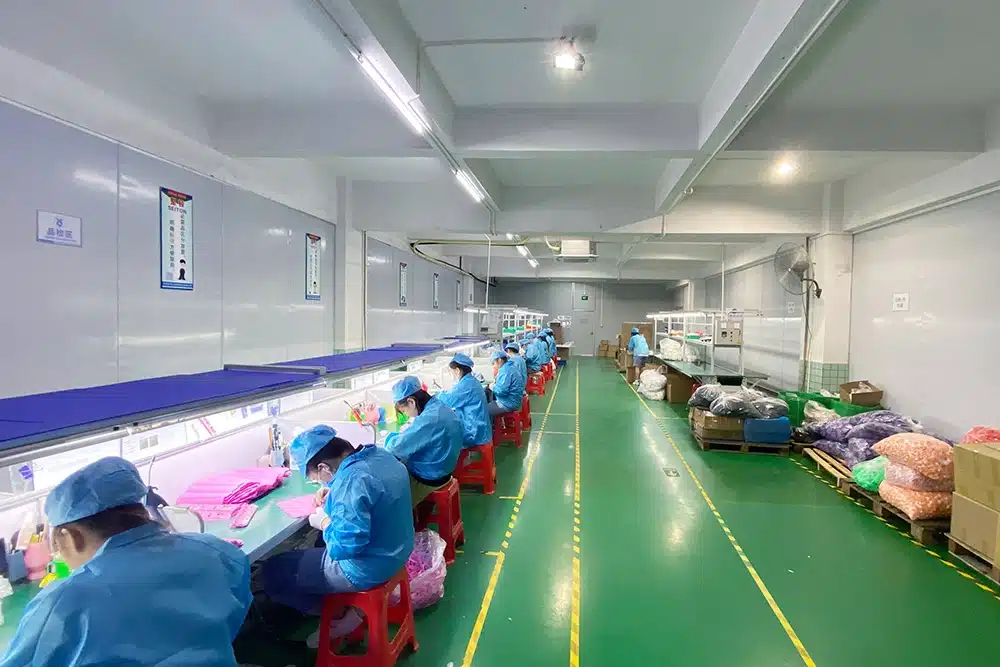

Silicone compression molding case studies demonstrate precisely how OEM silicone parts proceed through the requirements to final production. They show the collaboration of material choice, product design, tooling strategy, process parameters and quality inspection to produce consistent, functional results.
Most buyers continue to rate suppliers primarily on equipment lists or unit price. Practically, effective OEM silicone compression molding programs cannot be based on just making a mold but on clarity of product requirements, choice of materials, manufacturability of design, consistency of process parameters and regular quality control.
Why Case Studies Matter in Silicone Compression Molding
A good case study demonstrates the way a manufacturer actually addresses the real project problems.
The generic capability statements hardly indicate the capability of a supplier to manage the material behavior, tooling modifications, sampling changes, or repeat production quality. To compare OEM suppliers, silicone compression molding case studies can be reviewed to demonstrate to OEM buyers that a manufacturer can handle tooling, material behavior, sampling revisions and repeat production quality in actual projects.
The four main components always include use of case studies which consist of project background, main challenge, manufacturing decisions and measurable outcome. This will allow engineers and sourcing teams to assess relevance and problem solving capability rather than basing it on polished photos only.
What a Good Silicone Compression Molding Case Study Should Include
Powerful case studies are devoted to the decision-making, not the completed part.
They justify the logic behind every decision in order to allow the buyers to observe how the supplier makes the technical trade-offs.
| Case Study Element | What It Should Explain | Why It Matters |
| Project background | Product type, industry, and application | Helps buyers judge relevance |
| Part function | Sealing, protection, cushioning, grip, etc. | Shows performance requirements |
| Material selection | Silicone grade, hardness, color, special needs | Explains performance rationale |
| Design challenge | Wall thickness, tolerance, demolding, flash | Reveals real manufacturing complexity |
| Tooling approach | Mold structure, parting line, venting | Demonstrates engineering capability |
| Sampling review | Fit, appearance, revisions | Shows development process |
| Production control | Temperature, pressure, curing, material loading | Ensures repeatability |
| QC method | Dimensional, visual, hardness, functional | Proves quality reliability |
| Final outcome | What was improved or validated | Shows practical project value |
Case Study 1: Automotive Silicone Gasket for Heat and Sealing Performance
This is a typical automotive sealing project where uniformity in the face of heat is of utmost importance.
An OEM required a one-off silicone gasket to a part in the engine-bay that would be subject to high temperatures and repeated compression. The primary issues were flash control on sealing surfaces, compression recovery and tight dimensional control after curing.
A low compression set and low Shore A hardness heat-resistant silicone compound was chosen by us depending on the range of operating temperatures. The parting line was out of the critical sealing face as was designed and we maximized material loading weight and curing parameters during sampling. QC was concentrated on dimensional, hardness, visual inspection of sealing surfaces and functional compression tests.
| Project Factor | Manufacturing Decision |
| Product type | Automotive silicone gasket |
| Main function | Sealing and heat resistance |
| Key challenge | Flash control and compression recovery |
| Material focus | Heat resistance and low compression set |
| Tooling focus | Parting line away from sealing surface |
| QC focus | Dimension, hardness, sealing surface |
| Production result | Stable fit and repeatable sealing performance |

Case Study 2: Silicone Protective Sleeve for Consumer Electronics
Consumer electronics sleeves require a delicate balance between flexibility and durability.
A company needed an elastic silicone glove over a handheld product. The sleeve needed to be easy to install without tearing and offer good grip and protection to use in the day to day life.
The emphasis in material selection was on high elongation, tear strength and a pleasant feel on the surface. We checked the thickness of the walls, internal radii and stretch areas during the design stage and changed draft angles and direction of demolding in the tool. Improved grip was provided by secondary surface texture.
| Project Factor | Manufacturing Decision |
| Product type | Silicone protective sleeve |
| Main function | Protection, grip, and stretch-fit |
| Key challenge | Fit tightness without tearing |
| Material focus | Elongation, tear strength, surface feel |
| Design focus | Radius, wall thickness, stretch zones |
| Tooling focus | Demolding direction and surface texture |
| QC focus | Fit test, visual appearance, tearing risk |
| Production result | Improved installation and cleaner look |

Case Study 3: Food-Grade Silicone Kitchen Tool for Daily Use
Food-contact components must be highly sensitive in their appearance, cleanliness, and material compliance.
A kitchenware brand required a silicone utensil component that was to be used in high-temperature contact with food many times. Regularity of color and clean lines and ease of handling were also priorities.
We selected a food-grade silicone and were particularly careful of the uniformity of wall thickness in order to have uniform curing. Early definition of surface finish requirements and control of color batches during production were implemented. QC focused on visual inspection, flash trimming and surface cleanliness.

Case Study 4: Silicone Pet Product with Durability and Safety Requirements
Mechanical stress and cleaning are repeated on pet products.
The component had to be flexible and tear resistant as well as easily cleanable. We checked thin edges and deep grooves to minimize stress concentrations and dirt traps, made the mold texture easier to demold, and paid QC attention to tear-risk parts and the surface finish.

Case Study 5: Industrial Silicone Pad for Cushioning and Load Support
Industrial pads need to be stable in thickness and compression.
To achieve vibration-damping solutions, we chose a silicone with a higher durometer and maximized flatness and edge radius. The thickness uniformity was vital with process control of the material weight and the curing pressure. QC contained thickness mapping and functional compression tests.
Common Lessons From Successful OEM Silicone Parts Projects
Successful projects share similar manufacturing logic regardless of industry.
| Lesson | Why It Matters in OEM Projects |
| Define product function early | Guides material, design, tooling, and QC |
| Select silicone material based on use | Prevents performance mismatch |
| Review design for manufacturability | Reduces sampling revisions and defects |
| Plan parting lines and flash control | Protects sealing surfaces and appearance |
| Validate samples thoroughly | Confirms fit, hardness, and function |
| Record process parameters | Supports repeatable production |
| Define QC standards clearly | Reduces disputes and improves consistency |
| Consider packaging early | Protects soft parts from dust and deformation |
How Buyers Should Evaluate Silicone Compression Molding Case Studies
See past beautiful pictures and concentrate on the arguments.
Inquire about the supplier discussing material decisions, tooling preferences, design changes, sampling, and QC procedures. The best understanding of supplier ability is relevant cases in your industry or of other technical problems.
What Information Buyers Should Share to Build a Successful OEM Project
Complete information from the start dramatically improves outcomes.
| Buyer Information | Why It Helps the Project |
| 3D CAD file and 2D drawing | Supports accurate tooling and DFM review |
| Product application | Helps select suitable material |
| Silicone hardness target | Affects flexibility, fit, and demolding |
| Use environment | Guides heat, chemical, or weather resistance |
| Critical dimensions | Supports tolerance and inspection planning |
| Surface finish requirement | Guides mold texture and secondary processing |
| Order quantity | Helps decide tooling investment |
| QC requirement | Defines inspection scope |
| Packaging requirement | Protects parts during shipment |
| Expected reorder plan | Supports long-term production planning |
Common Mistakes That Lead to Poor OEM Project Results
- Selection based on the lowest unit price.
- Submitting unfinished drawings or imprecise specifications.
- Choosing material without reference to actual conditions of operation.
- Omitting manufacturability overview prior to cutting steel.
- Flexible silicone parts: Tolerances set too high.
- Accepting samples just on visual observation.
- Not testing components in actual use.
- Revision of design or material post tooling without review of impact.
- Not considering appropriate packaging of soft or dust sensitive components.
Conclusion — Good Case Studies Show Real Manufacturing Capability
Case studies on silicone compression molding are useful since they disclose the combination of material choice, design, tooling approach, process management and quality inspection in real world OEM silicone parts projects. When processed carefully, custom silicone components have a higher level of consistency, lesser development time, and enhanced long-term reliability.
When buyers consider case studies as a problem-solving decision, instead of just pictures of finished products, they make better supplier choices and establish more successful OEM relationships.