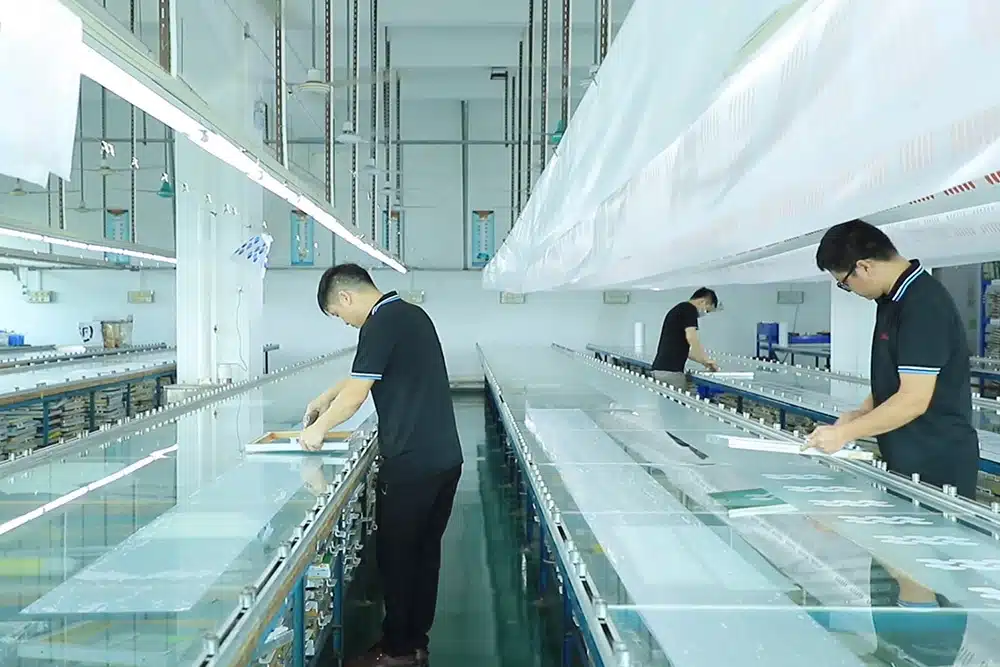

The completion of a custom silicone seal design is not solely a question of authorization of dimensions but an assurance of material conduct, compression rationality, groove architecture, environmental adaptability, and manufacturability which are all beneficial in ensuring that the performance is reliable over time. Only when the engineering team has looked beyond the shape of the part and considered the way in which that part will compress, recover, fit, age and be produced in a consistent manner in the actual application can a custom silicone seal design actually be ready to tool.
Most of the teams consider the seal design complete when it appears right in CAD. The fact is that numerous failures in the sealing process will occur even before the production, and this usually occurs at the design-finalization phase. The careful design checklist of a custom silicone seal design makes it easy to identify such problems at the early stages of the design and minimize the risk of leakage, tooling modifications, delays during sampling, and lack of consistency in repeat orders.
Why Final Design Review Matters More Than Many Teams Expect
A good final design review is a risk-control measure, not a release formal. Even minor mistakes at this point can cost the company a lot of money in terms of tooling reconfigurations, assembly issues, or failures in the field in future.
Silicone seals are so delicate to change in dimensions, compression, and exposure to the operations. The final review should be treated as a system level check not as a drawing-only exercise, this would ensure that the engineering teams do not encounter downstream problems and keep the projects on track.
| Review Area | Why It Matters Before Design Freeze |
| Material fit | Supports durability and environmental compatibility |
| Compression logic | Determines sealing force and long-term behavior |
| Groove / mating design | Controls real assembled performance |
| Tolerance priorities | Protects function without overcomplicating tooling |
| Manufacturability | Reduces rework and production instability |
| Validation readiness | Supports smoother prototyping and scale-up |
Checklist Item 1: Confirm the Real Operating Environment
The seal must be checked to actual operating conditions and not just to nominal product intent. Hypotheses on the environment tend to result in the creation of unanticipated performance variations once the part is put in service.
Other important considerations are temperature range and thermal cycling, moisture, UV, ozone, dust, oil, chemicals or cleaning agent exposure, and whether the seal is to experience a static, dynamic or repeated use environment. Service and expected service life (indoor or outdoor) are also critical factors.
| Operating Condition | Why It Must Be Confirmed |
| High or low temperature | Affects material and long-term recovery |
| Thermal cycling | Changes compression behavior over time |
| Water / dust exposure | Influences sealing reliability needs |
| Chemical or oil contact | Affects compound suitability |
| Repeated opening or movement | Changes design priorities |
| Long service duration | Increases need for durability review |
These are the details that should be confirmed prior to tooling release to stop numerous last-minute surprises.
Checklist Item 2: Verify Material Selection Against the Application
The choice of material is usually not just silicone. The hardness, compression set behavior, temperature stability and compatibility with the environmental factors should all be checked along with the geometry and assembly conditions that are in question.
The softness of the materials does not necessarily make it better; the selection should be a balance between sealing force, recovery and durability. The wrong material choice may compromise an otherwise solid design and this is the reason why this review must occur prior to tooling and not subsequent to failed samples.
To teams seeking professional assistance at this critical stage we have offered our own custom silicone seal development services that offer a viable advice based on the actual experience of manufacturing.
| Material Checkpoint | Why It Matters |
| Hardness range | Affects fit, deformation, and sealing force |
| Compression set behavior | Supports long-term sealing stability |
| Heat / cold suitability | Matches real operating conditions |
| Chemical compatibility | Reduces degradation risk |
| Aging behavior | Influences service life |
| Fit to geometry and compression | Supports functional balance |
Checklist Item 3: Check Compression, Squeeze, and Recovery Logic
Seal performance is also critical on the deformation of the part under load. Excessive compression can either lead to leakage or excessive compression can reduce seal life due to permanent deformation.
Initial fit is no less important than recovery. The compression targets are to be compared with the selected material and the real usage. Long-term outcomes of controlled deformation are typically superior to those of aggressive sealing force.
| Compression Review Item | Why It Must Be Checked |
| Target squeeze range | Determines sealing force and stress level |
| Recovery expectation | Supports long-term reliability |
| Constant-load behavior | Affects static seal performance |
| Risk of overcompression | Can accelerate permanent deformation |
| Interaction with material hardness | Changes real assembled behavior |
Checklist Item 4: Review Groove Design and Mating Conditions
A silicone seal cannot be completed without going through the mating geometry. The groove width, depth, gland fill, contact surfaces directly influence the performance of the seal after assembling.
The groove and seal should be considered as a single system. Real-world behavior is affected by thermal expansion, tolerance stack-up, and mating-surface stability. Even a good part design may fail due to poor groove design.
| Groove / Mating Factor | Why It Must Be Reviewed |
| Groove depth | Controls actual compression |
| Groove width | Allows stable deformation |
| Gland fill ratio | Affects stress and seal behavior |
| Mating surface quality | Influences contact consistency |
| Tolerance stack-up | Changes real assembled fit |
| Corner / transition design | Helps reduce local stress issues |
Checklist Item 5: Identify the Truly Critical Dimensions and Tolerances
All dimensions cannot be given an equal level of inspection. Critical sealing dimensions ought to be distinctly distinguished with non-essential cosmetic appearances.
Too loose tolerances are detrimental to performance, and too tight increase the cost of tooling and production without necessary reasons. The analysis ought to note the way the part fits in the construction and make a viable compromise between functionality and fabrication.
| Tolerance Review Item | Why It Must Be Reviewed |
| Critical sealing dimensions | Directly affect fit and leakage risk |
| Cross-section control | Influences compression stability |
| Non-critical features | Should not be overconstrained unnecessarily |
| Tolerance-process fit | Supports realistic manufacturing |
| Inspection priority alignment | Improves QC effectiveness |
Checklist Item 6: Confirm Manufacturability Before Tooling
The manufacturability should be looked at before finalizing a seal design. The complexity of tooling, parting lines, flash control, and Moldability influence final quality and consistency.
Some geometric characteristics might require optimization prior to mold release. The design which appeared right in CAD can be tough or even unstable in the production. The timely alignment of engineering and manufacturing teams avoids costly downstream changes.
| Manufacturability Check | Why It Matters |
| Moldability of the geometry | Affects tooling and production stability |
| Parting line impact | Influences flash and sealing surfaces |
| Dimensional feasibility | Supports consistent production output |
| Surface-finish expectations | Affects tooling and QC burden |
| Revision risk before tooling | Reduces expensive downstream changes |
Checklist Item 7: Define What the Prototype or Validation Stage Must Prove
Finalization of design must comprise a proper validation plan. Teams must be aware of whether they are testing concept fit, sealing force, dimensional stability or production readiness.
Weak decisions and loops are common when there is no clarity on validation criteria. A design is not ready until the team is aware of how success will be determined.
| Validation Question | Why It Matters Before Finalization |
| Does the part fit the assembly correctly? | Confirms geometry logic |
| Does the seal compress as intended? | Confirms functional design |
| Are critical dimensions stable? | Supports manufacturability review |
| Does the material behave correctly in use? | Confirms application fit |
| Is the design ready for production-intent tooling? | Improves project readiness |
Checklist Item 8: Align Engineering, Sourcing, and Manufacturing Expectations
The finalization of seal design must not be done in an engineering vacuum. Sourcing requires visibility of material and tolerance and supplier capability whereas manufacturing requires early view of the tooling and process risk.
Cross-functional alignment minimizes rework and confusion with suppliers. Design decisions that are most likely to be implemented in the production process are generally the best ones.
| Team Alignment Area | Why It Matters |
| Engineering requirements | Defines function and technical intent |
| Sourcing expectations | Supports supplier fit and quote accuracy |
| Manufacturing feedback | Improves tooling and process realism |
| QC priorities | Supports inspection focus |
| Revision control | Prevents confusion before tooling |
Common Mistakes Engineers Make Before Finalizing a Seal Design
Several problems can be attributed to missing front-end review. The typical traps are to complete geometry before assuring the application environment, select material too much broadly or to neglect compression set and recovery behavior.
Other common errors include prioritizing the design of grooves as secondary, the use of tolerances without prioritizing them functionally, releasing designs before checking manufacturability, or approving designs without a defined purpose of prototype.
| Common Mistake | Likely Result |
| CAD-first finalization | Weak real-world performance fit |
| Material-only confidence | Overlooked assembly or aging issues |
| No groove-system review | Leakage or unstable sealing |
| Tolerance over- or under-control | Higher cost or weaker function |
| No manufacturability review | Tooling revisions and delays |
| Weak validation planning | Confusing prototype outcomes |
A Practical Final Design Checklist Summary for Engineers
A systematic final checklist assists in minimizing engineering errors. Before letting the design go to tooling, teams should ensure that the whole sealing system is verified.
The best seal designs have a balance between functionality, manufacturability, and durability.
| Final Checklist Item | Why It Should Be Confirmed |
| Operating environment defined | Supports real application fit |
| Material selected and justified | Reduces mismatch risk |
| Compression logic reviewed | Supports long-term sealing performance |
| Groove / mating design checked | Confirms system-level fit |
| Critical tolerances identified | Balances function and cost |
| Manufacturability reviewed | Reduces tooling and production issues |
| Validation goals defined | Improves prototype usefulness |
| Cross-functional alignment completed | Supports smoother OEM execution |
Conclusion — A Seal Design Is Final Only When the Whole Sealing System Has Been Reviewed
A special silicone seal design can be released only after the engineering department has verified that more than the shape of the part has been verified. The interaction between the material, compression logic, groove design, tolerances, production feasibility and validation plan is what ensures reliable long-term performance.
Ensuring that all items are addressed prior to tooling through a detailed custom silicone seal design checklist and following each item in the list will allow engineers and product teams to greatly mitigate risk and proceed to production with increased confidence.