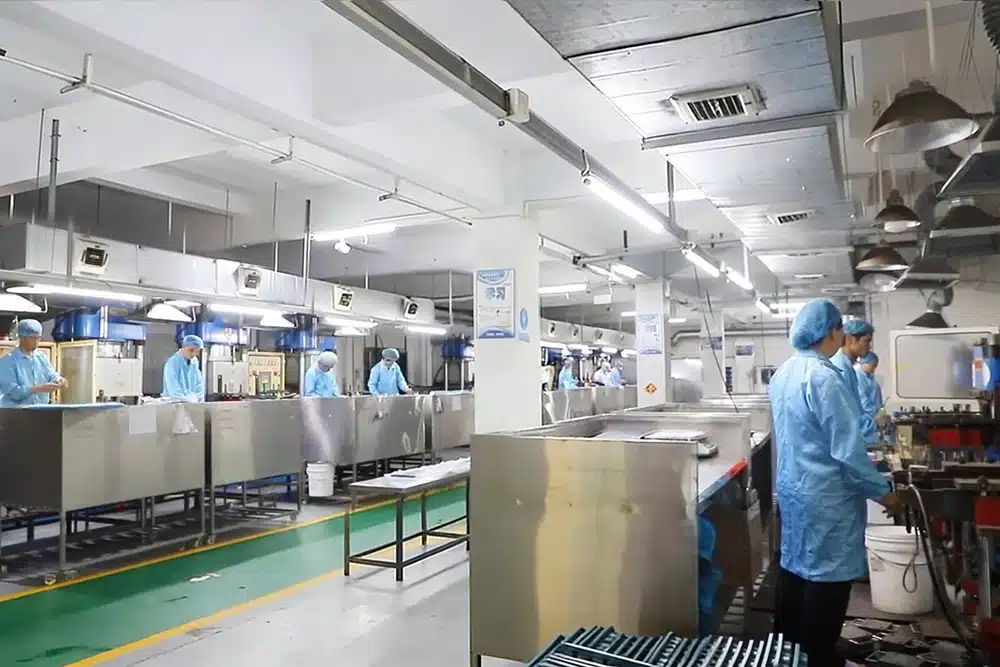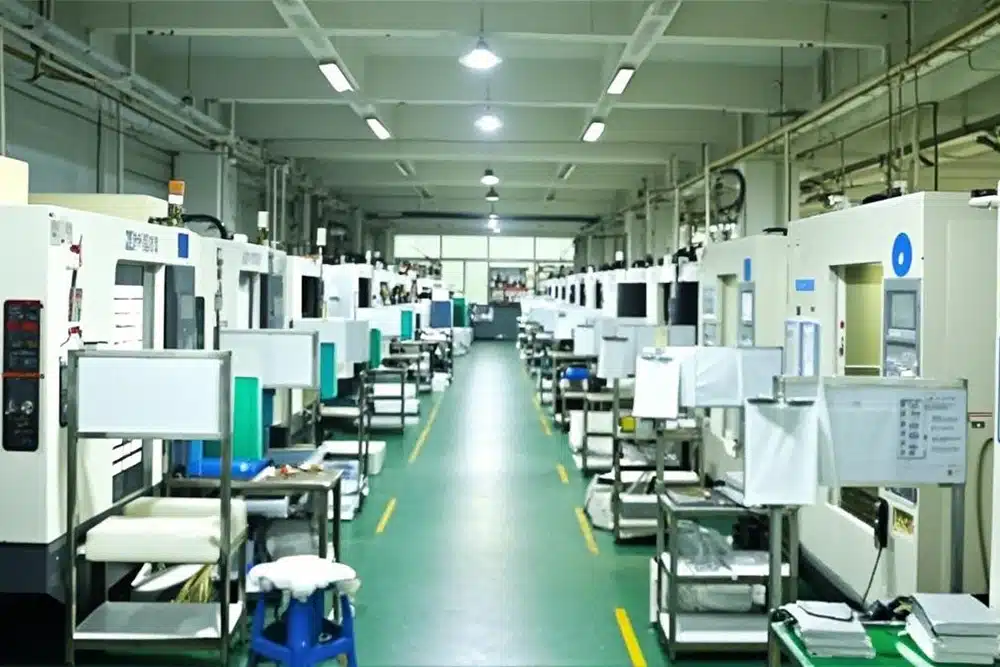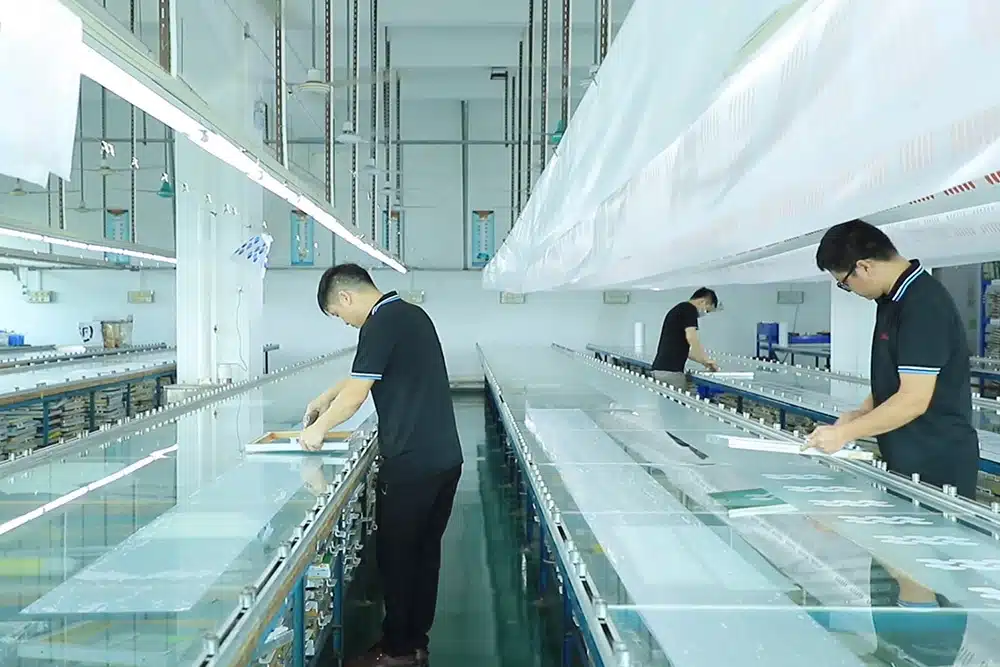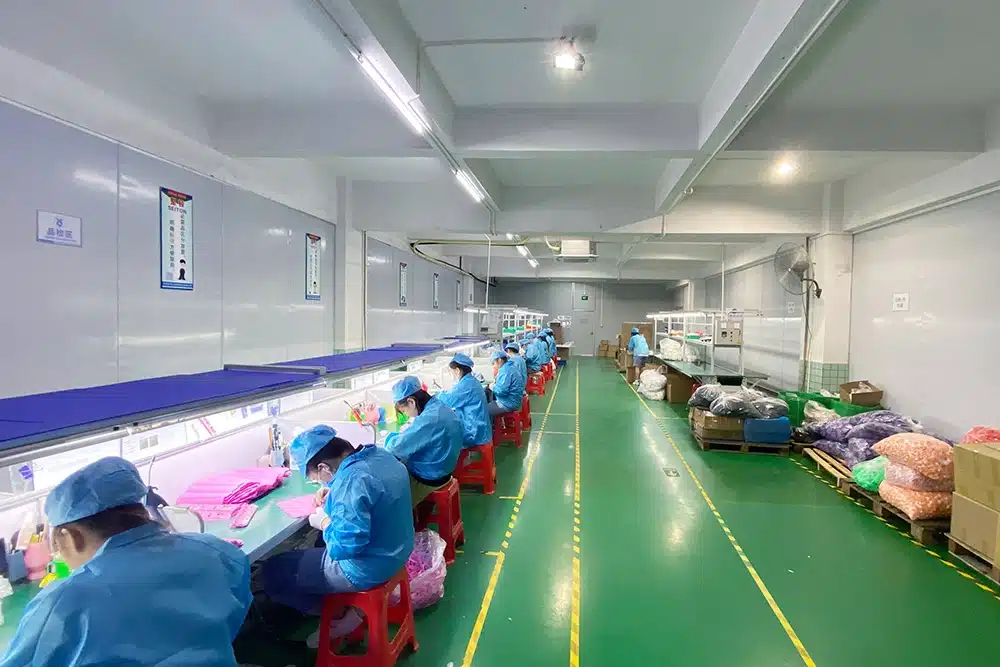

Compression molding of small volume is used in prototypes, pilot-runs, small-batches of customization, early-stage product validation, and uncertain demand. Silicone compression molding is more suitable in the case of mature products, repeat business, stable demand, low unit cost of the item in the long run and standardized production control.
One is not necessarily better than the other. The correct decision will be based on your product level, budget, tool strategy, quality demands, and forecasting. High-volume production is often thought to be more cost-effective by many buyers. As a matter of fact, it may lead to unwarranted tooling, inventory, and cash-flow risk in case the design or market demand cannot be confirmed.
The optimal approach to silicone compression molding is the production-volume method that aligns with the lifecycle of the product, predictability of demand, tooling cost, quality verification requirements and reorder strategy.
What Is Low-Volume Silicone Compression Molding?
Low-volume silicone compression molding describes smaller production batches that are typically employed in validation, market testing, limited launches, special versions or early-stage OEM projects. It assists buyers to minimize initial risk prior to devoting greater production capacity.
In the case of buyers who are about to justify a new silicone product, low-volume silicone compression molding can be used to test part performance, validate fit and minimize early tooling or inventory risk prior to scaling. Projects can make use of less complex tooling, less cavity molds, or less rigid schedules. The method is particularly useful in the cases when the design details, the level of demand, packaging or application requirements may still be changing.

What Is High-Volume Silicone Compression Molding?
Compression molding silicone in high volume facilitates consistent, predictable, and larger scale production. It is usually selected after part design is finalized, demand is predictable and constant supply is needed.
This plan usually encompasses more robust tooling, multi-cavity molds, closer process records, and organized quality control. Although it is capable of reducing unit cost with time, it requires good quality consistency and correct forecasting.
| Factor | High-Volume Silicone Compression Molding Consideration |
| Product stage | Best after design validation and stable demand |
| Tooling approach | May require stronger or multi-cavity production molds |
| Cost focus | Lower long-term unit cost and repeat efficiency |
| Quality focus | Batch consistency and process control |
| Planning focus | Forecasting, inventory control, and repeat orders |
| Risk factor | Higher upfront commitment if demand is uncertain |
Low-Volume vs High-Volume: Key Differences
The volume of production in silicone compression molding influences much more than order quantity – it completely alters the manufacturing strategy, including tooling and cost structure, quality validation and supply planning.
| Factor | Low-Volume Compression Molding | High-Volume Compression Molding |
| Best for | Prototypes, pilot runs, market testing | Mature products and repeat orders |
| Tooling investment | Usually lower or more flexible | Higher, but optimized for scale |
| Unit cost | Usually higher | Usually lower at scale |
| Lead time | Often more flexible | Requires stronger scheduling |
| Design flexibility | Easier to adjust before scaling | Design should be stable |
| Quality focus | Validation and improvement | Consistency and repeatability |
| Inventory risk | Lower | Higher if demand is misjudged |
| Production planning | Project-based | Forecast-based |
| Buyer risk | Lower upfront commitment | Higher upfront commitment but better efficiency |
When Low-Volume Silicone Compression Molding Makes Sense
Low volume production presents optimum value where there is still uncertainty in the project.
- Sample and prototype validation – rapid test actual performance.
- Pilot production prior to full launch – collect user experience at minimum risk.
- Test market demand – do not over-produce.
- Special or seasonal product batches- match smaller demand windows.
- Comparison of designs or materials – controlled trial.
- OEM or startup projects in the early stages– save cash flow.
- Products that need functional testing – ensure that it works before scaling up.
- Unpredictable reorder volume projects – be flexible.
| Situation | Why Low-Volume Production Helps |
| New product development | Reduces risk before full investment |
| Design still needs validation | Allows improvements after testing |
| Market demand is uncertain | Avoids excess inventory |
| Several material options compared | Supports controlled trial production |
| Custom product variants | Reduces commitment for each version |
| Seasonal or limited-run products | Matches smaller demand windows |
| Functional testing required | Helps verify performance before scale-up |
When High-Volume Silicone Compression Molding Makes Sense
High-volume production is well-suited in cases where you are sure of product demand and product design stability.
- Well-established product lines that have sales records.
- Regular repeat orders among the established customers.
- Assured demand via distribution channels.
- Unified design and material specifications.
- Retail program or long-term supply agreements.
- Goods that have consistent reorder times.
| Situation | Why High-Volume Production Helps |
| Stable product demand | Supports efficient production planning |
| Finalized part design | Reduces tooling-change risk |
| Repeat OEM orders | Improves consistency and cost control |
| Large distribution programs | Supports reliable inventory supply |
| Unit cost reduction is important | Spreads tooling and setup cost over more parts |
| Standardized material and color | Improves batch efficiency |
| Long-term product lifecycle | Justifies stronger tooling investment |

Tooling Cost and Mold Strategy
The tooling strategy must be consistent with the anticipated volume of production and maturity of the product. Smaller projects are frequently low volume with less complex molds or fewer cavities to regulate up-front investment. Longer and more robust tooling can be justified by high-volume projects, multi-cavity designs, and heating/cooling balance, and longer tool life.
| Tooling Decision | Low-Volume Strategy | High-Volume Strategy |
| Mold cavity count | Fewer cavities may be enough | Multi-cavity molds improve output |
| Tooling budget | Keep upfront investment controlled | Invest for long-term production efficiency |
| Mold durability | Suitable for shorter runs | Stronger mold life required |
| Design change flexibility | Easier to modify earlier | Changes become more costly |
| Process validation | Focus on feasibility | Focus on repeatability |
| Maintenance plan | Basic but controlled | Regular inspection and maintenance required |

Unit Cost: Why Quantity Changes the Price
Unit cost in silicone molding is the amortization of tools and setup time, material usage, the cycle time, labor, trimming, inspection, packaging and the rate of rejection. Low volume runs are more expensive in terms of per-part costs since the fixed costs are divided into fewer pieces. Large-volume production reduces the unit cost when the demand is stable enough to warrant the size.
| Cost Factor | Impact in Low Volume | Impact in High Volume |
| Tooling amortization | Higher cost per part | Lower cost per part |
| Setup time | Larger impact on unit price | Smaller impact per part |
| Material waste | More visible in small runs | Optimized through process control |
| Labor and trimming | May stay relatively high | Improves with stable process |
| Inspection | Often sample-focused | More structured batch QC |
| Packaging | Less efficient for small runs | More efficient with standardized packing |
| Inventory cost | Lower risk | Higher storage and cash-flow impact |
Lead Time and Production Scheduling
Low-volume production provides greater flexibility of scheduling, but also needs material preparation, mold setup, sampling, and inspection. Mass production requires the official planning of equipment, labor, material delivery and QC capacity. Hurrying either process can augment defect risk.
| Stage | Low-Volume Planning Focus | High-Volume Planning Focus |
| Design review | Confirm feasibility | Confirm final production design |
| Tooling | Fast and controlled investment | Durable and repeatable mold strategy |
| Sampling | Validate material and fit | Validate production setup |
| Production | Flexible scheduling | Capacity and batch planning |
| QC | Confirm key requirements | Maintain batch consistency |
| Packaging | Small-batch handling | Standardized packing process |
| Reorder | Less predictable | Forecast-based planning |
Quality Control Differences Between Low and High Volume
Low-volume QC is generally focused on feasibility and sample validation, as well as searching the improvement opportunities. High-volume QC focuses on consistency, repeatability, batch records, dimensional stability and defect prevention.
| QC Area | Low-Volume Focus | High-Volume Focus |
| First-article inspection | Very important for validation | Confirms production setup |
| Dimensional checks | Confirm critical dimensions | Monitor batch consistency |
| Visual inspection | Identify early defects | Control repeated defect patterns |
| Hardness testing | Confirm material selection | Maintain batch consistency |
| Functional testing | Validate design and use | Confirm long-term performance |
| Process records | Useful for learning | Essential for repeatability |
| Defect analysis | Improve design/process | Reduce rejection and cost |
How Product Lifecycle Affects Volume Choice
The volume of production must be in line with the natural life cycle of your product and not just a cost target.
| Product Stage | Recommended Volume Strategy | Main Goal |
| Concept validation | Prototype or very low volume | Test feasibility |
| Sample approval | Low volume | Confirm fit, material, appearance |
| Market launch | Low to medium volume | Reduce inventory risk |
| Growing demand | Medium volume | Balance flexibility and efficiency |
| Mature product | High volume | Improve cost and supply stability |
| Long-term repeat orders | High volume with forecast | Optimize production planning |
Common Mistakes Buyers Make When Choosing Production Volume
- Selecting high volume with the sole objective of pursuing lower unit price.
- Beginning mass production without design stability.
- Delaying tooling strategy until design freeze.
- Miscalculating inventory and cash-flow risk.
- Comparing the suppliers based on low-volume sample prices.
- Lack of planning of reorder cycles and expansion.
- After cutting, changing material or color is not possible.
- Not performing proper functional testing prior to scale-up.
- Failure to specify clear QC requirements prior to mass production.
Practical Decision Checklist
Checklist This checklist is used to get your volume decision aligned with project reality.
| Question | If Yes, Consider |
| Is the product still in testing? | Low-volume production |
| Is market demand uncertain? | Low-volume production |
| Do you expect design changes? | Low-volume or pilot run |
| Is the tooling budget limited? | Low-volume strategy |
| Is the design fully validated? | High-volume production |
| Are repeat orders predictable? | High-volume production |
| Is unit cost reduction a major priority? | High-volume production |
| Can your team manage inventory risk? | High-volume production |
| Are QC standards already finalized? | High-volume production |
Conclusion — Match Production Volume to Product Reality
Silicone compression molding (low and high volume) has varying business and production requirements. Low-volume production facilitates testing, validation and flexibility whereas high volume production facilitates efficiency, consistency and long term supply.
Quantity alone is never the best basis of decision. It is based on the fact whether your product design, demand forecast, tooling plan, and quality parameters are really prepared to the selected production level. By aligning volume with your product lifecycle and risk aversion, you make smarter decisions that safeguard quality and profitability at every phase of your tailored silicone parts journey.