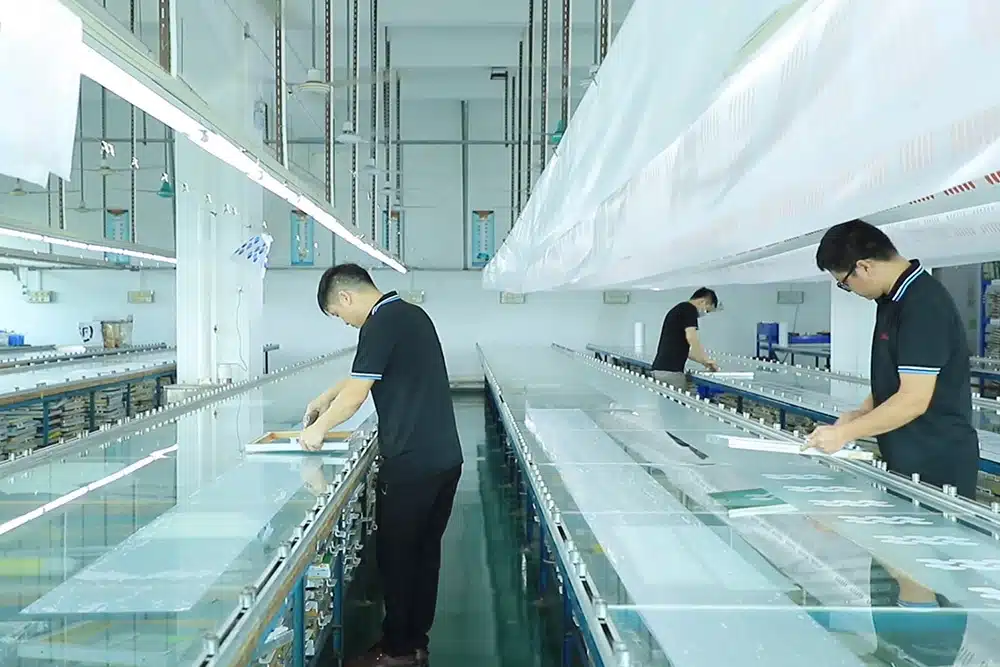

Surface finishing influences much more than appearance of the products. Right finishing in silicone can affect friction, touch feel, wear resistance, print durability, and the overall functional performance in many applications. Finishing remains a secondary cosmetic process done by many buyers and experienced engineers realize that finishing is something that should be thought of during the design stage of the product and not after molding.
A well-selected surface finishing also adds value to both the commercial and usability of custom silicone parts by matching both the aesthetical needs, the usability, and the performance needs.
Why Surface Finishing Is More Than a Cosmetic Decision
Finishing on the surface of custom silicone part is not always about the appearance. It has a direct influence on the performance, feel and the longevity of a product in the real world.
Although a finished component definitely enhances the aesthetic value and brand reputation, its real usefulness can be in functional value: enhanced grip to ensure safety, regulated friction to facilitate component movement, protective coating to increase longevity, and feel to create a user experience.
Surface finishing has various roles as summarized in the table below:
| Surface Finishing Role | Why It Matters | Potential Impact |
| Appearance Enhancement | Brand perception | Visual value |
| Tactile Performance | User interaction | Comfort and grip |
| Surface Protection | Wear resistance | Durability |
| Functional Optimization | Friction/sealing behavior | Performance |
| Branding Support | Printed/visual details | Product differentiation |
The correct finish selection at an early stage prevents expensive design rework, and provides the part with engineering and commercial performance.
Common Surface Finishing Methods for Silicone Parts
Various silicone surface finishes provide extremely diverse appearances, feel and durability. Knowing their strengths and weaknesses will enable engineers to identify the best alternative to use in every application.
The following is a realistic comparison between the most frequent silicone surface finishing techniques:
| Finishing Method | Typical Purpose | Common Applications |
| Matte Finish | Soft, understated appearance | Consumer products |
| Gloss Finish | Premium visual effect | Cosmetic accessories |
| Spray / Oil Coating | Surface feel or protection | Wearables, handles |
| Silk Screen Printing | Branding and markings | Keypads, devices |
| Laser Engraving | Durable marking | Industrial controls |
| Molded Texture | Grip or tactile function | Functional components |

Matte finishes are good in the case of daily consumer products where a non-reflective, soft appearance is desired. Gloss finishes are used with high-end beauty and personal care products. Dry grip is frequently enhanced by spray or oil coating wearables, or a protective coating is applied. Silk screen printing is still used in logos and instructions, and laser engraving provides permanent and high contrast markings. Molded textures, made directly in the tool, offer intrinsic grip with no subsequent operations.
In cases where your project needs capabilities of the silicone parts, our silicone surface finishing services — including matte, gloss, spray/oil coating, silk screen printing, laser engraving, and molded texture — can help deliver the full spectrum from prototype to production.
How Surface Finishes Affect Product Function
Surface finishes are often used to add to the usability of a product, and not as a decoration.
As an illustration, non-slip or rough surfaces can significantly enhance the grip of hand held instruments or medical equipment. Coatings with low friction can be used to aid assemblies in moving their components. The soft-touch finishing produces a high-end, comfortable touch which users can feel right away. Anti-wear paints and laser engraving make high-contact zones more resistant to wear and marking visible over years of use, respectively.
| Functional Need | Finishing Influence |
| Better Grip | Texturing / matte |
| Lower Friction | Coatings |
| Premium Touch | Soft-touch finishing |
| Wear Resistance | Protective coatings |
| Durable Markings | Laser engraving |
Early engineers who consider such effects make superior trade-offs in terms of performance, cost, and manufacturability.
Surface Finishing and Product Aesthetics
In addition to functionality, surface finishing can have a potent impact on perception of quality and brand value by the users.
Minimalist, modern design can be achieved with a uniform, matte finish, whereas soft-touch or high-gloss surfaces can be seen as luxury. Laser marking gives clean technical beauty and silk screen printing gives vibrant brand view.
Notably, inter-batch consistency of surfaces during production is not only a manufacturing but also a visual problem. Even when dimensions are within tolerance, perceived quality problems can occur due to variations in gloss level, texture depth or color.
| Visual Objective | Suitable Finish Approach |
| Minimalist appearance | Matte finish |
| Luxury perception | Soft-touch or gloss |
| Technical appearance | Laser marking |
| High-brand visibility | Silk screen printing |

Surface Finishing Considerations During Product Design
Seasoned staff members believe in surface finishing at an early design stage since most finishes influence the tooling, tolerances and process flow.
| Design Factor | Early integration of surface finishing requirements during silicone sleeve design and other custom projects helps avoid tooling changes and process issues later. |
| Tool Texture | Surface appearance |
| Geometry | Finishing feasibility |
| Tolerances | Secondary process effects |
| Material Choice | Finish compatibility |
| Product Use Environment | Finish durability |
Finishing decisions made late in the design may cause engineering issues – changes to custom silicone molds, longer cycle times, or adhesion or tolerance stack-up problems. The risks are avoided by integrating finishing requirements when conducting DFM reviews.The risks are avoided by integrating finishing requirements when conducting DFM (Design for Manufacturability) reviews.

How to Choose the Right Surface Finish for Your Application
The choice of the best surface finish involves tradeoffs between functionality, interface, branding, the environment and volume production.
| Project Priority | Possible Finishing Direction |
| Grip performance | Textured finish |
| Premium aesthetics | Soft-touch/gloss |
| Durable identification | Laser engraving |
| Cost efficiency | Molded texture |
| Brand decoration | Silk screen printing |
Clear performance specification is the beginning of the best decisions, as opposed to assumptions of what will look good.
Manufacturing and Quality Challenges in Silicone Surface Finishing
This elastic, low-energy surface of silicone presents a special finishing problem and has to be handled to produce a uniform finish.
| Challenge | Potential Risk | Control Strategy |
| Coating inconsistency | Appearance defects | Process controls |
| Print wear | Short marking life | Correct finishing choice |
| Surface defects | Rejection risk | Inspection controls |
| Batch variation | Brand inconsistency | Repeatable process setup |
High-volume production requires repeatable setup of processes, good surface preparation and quality control in surface finishing that are proved.
Common Mistakes When Specifying Surface Finishes
Even the carefully designed silicone components can be spoiled by a few common mistakes:
- Focusing on the looks rather than the functionality.
- Making decisions on decorative finishes without considering the long-term wear.
- Assuming that the cost and lead time do not depend on the complexity of the secondary processes.
- Making assumptions that all silicone grades react in the same way to the same finishing technique.
- Finishing as a cosmetic add-on rather than a requirement.
By avoiding such pitfalls, they will produce more dependable results and can have a smoother production ramp.
Industry Applications Where Surface Finishing Matters Most
Surface finishing requirements vary significantly across industries.
| Industry | Why Finishing Matters |
| Electronics | User interface durability |
| Medical devices | Surface performance and cleanability |
| Consumer Goods | Appearance + tactile feel |
| Automotive | Wear and environmental resistance |
| Industrial | Durable markings and grip |
The correct finish is frequently a distinguishing factor between mediocre and innovative goods in every industry.
Conclusion — Surface Finishing Supports Both Performance and Product Value
Surface finishing has impacts of custom silicone parts in terms of functional, durability and product perception. Finishing decisions must be good and they must be made to bring a balance between the needs of the engineering and the aesthetic requirements of a product and must not be regarded as a decoration, they must be part of the product development process starting at the concept stage.
Effective surface finishing options can hardly be made on appearance alone; they are the outcome of the trade-off between functional needs, usability and manufacturing facts. Early evaluation with an experienced partner enables engineers and product teams to produce better performing parts and differentiate themselves in the market. Early evaluation of alternatives and knowledge of the trade-offs enable engineers and product teams to produce better performing parts and differentiate themselves in the market.