
When creating a custom silicone seal in an automotive component, it is not simply a matter of choosing a rubber material that is a heat-resistant elastomer and balancing the behaviour of the materials, compression design, environmental resistance, dimensional control and manufacturing consistency with the real conditions existing in the vehicle.
Due to the kind of environment that car silicone seals are operating in, they are in a highly unfavorable environment compared to silicone seals in the industries. They are exposed to re cycle temperature, constant vibration, contact with oils and fluids, road dusts, water ingress and long service life which can be years long. Many engineering teams failing to recognize the common misconceptions of starting with the right high temperature silicone material often believe that such a material will fix their sealing issues. In fact, lengthy reliability is a dependency on a set of material behaviour, crushing, geometry and superiority regulation in the correlation with manufacturing repeatability.
It is not heat resistance but a mixture of materials selection, compression molding, environmental stability, dimensional consistency and repeatability in manufacturing, which leads to automotive seal reliability.
Why Automotive Sealing Applications Demand More Than Basic Seal Design
The sealing conditions encountered in the automotive industry are both more severe and diverse as compared to the normal industrial conditions. The automotive cars must be able to withstand low and high temperatures, vibrations in the vehicle, having different types of fluids, and longer service life aspects which impose special pressure on each seal. These exact challenges are addressed in our dedicated automotive silicone parts manufacturing solutions.
As opposed to industrial equipment with fixed structure, automotive industry parts reach us as a constituent of life-filled groups where even minor defects in design, or error in the manufacturing process, can lead to spillage, vibration, pollution or premature failures in the field. Seals do not exist in isolation, moulded components, they must be compatible in the entire system with the mating surfaces, the tolerances of the housing, and the assembly operations.
PR, rather, ought to begin their design work, on the overt knowledge of the functional requirements, rather than merely building on the drawings, or old specifications, at hand.
| Automotive Condition | Why It Increases Seal Design Complexity |
| Temperature cycling | Changes material behavior and compression over time |
| Vibration and movement | Can weaken sealing stability and fit |
| Water and dust exposure | Increases risk of ingress if compression is inconsistent |
| Oil or fluid contact | Requires compatibility review |
| Long service life expectations | Raises importance of aging resistance |
| Assembly tolerance variation | Affects real-world seal compression and contact pressure |

Start with the Actual Automotive Use Environment
Designing automotive silicone seals is all about mapping the operating environment as opposed to performing a generalized and generalized design. Different parts of the vehicle have rather different demands to seals.
Areas that are under-hood like under the hood can be subjected to high temperatures including oil, and coolant exposures, and exterior seals must be able to endure weathering, UV and water. Connectors demand high dimensional stability in order to maintain a steady contact pressure and interior applications may be sensitive to long-term softness and fit.
The operating temperature must not be thought of as a single peak but using profile of operation as a range. The other seals that would need to be considered independently are the static seals, semi-dynamic seals because movement must introduce an additional variable to the compression and recovery.
| Application Environment | Design Implication |
| Under-hood area | Requires stronger heat and fluid resistance review |
| Exterior sealing area | Requires weathering and water-ingress focus |
| Electrical connector area | Requires dimensional precision and stable compression |
| Lighting or enclosure sealing | Requires consistent sealing contact and aging stability |
| Interior application | May prioritize long-term softness and fit consistency |
| High-vibration zone | Requires better retention of sealing stability |
Material Selection Must Match Automotive Stress Conditions, Not Generic Claims
When creating custom silicone seals, the choice of material must take into consideration the actual combination of thermal, environmental, mechanical and aging pressures that the part will be subjected to in the service environment.Heat resistance is great, but it is rarely sufficient alone.
Designers have to determine hardness to provide fit and sealing holding power, compression set to provide long-lasting elasticity, weatherability out of doors and compatibility with fluids to prevent wash-out or corrosion by oils or cleaning agents. The desired seal geometry and real assembly conditions should be considered at the same time as the concept of material performance is evaluated.
Learn more about material options and ways to do them in our dedicated silicone material selection resources, where engineers can match compounds to the combined thermal, fluid, vibration and aging demands of real automotive environments.

| Material Consideration | Why It Matters in Automotive Seal Design |
| Hardness | Affects fit, sealing force, and tolerance sensitivity |
| Heat resistance | Supports performance in elevated-temperature zones |
| Compression set resistance | Helps maintain sealing force over time |
| Weathering resistance | Supports outdoor durability |
| Fluid compatibility | Reduces degradation risk from oils or process contact |
| Aging stability | Improves long-term reliability in vehicle service |
Key Considerations for Silicone Compounds in Vehicles
The type of rubbers that engineers commonly analyze are high-consistency rubber (HCR) and liquid silicone rubber (LSR). Proper silicone material selection is critical and must be based on the full environmental profile rather than datasheet values alone.The two possess different advantages regarding the flow, clarity of treatment and regulation of sizes. A single selection must be checked employing the whole environmental image and not a set of datasheet results.
Compression Design and Geometry Control Functional Reliability
Compression design is among one of the most vital design parameters in silicone seal design in the auto industry. Our expertise in silicone compression molding ensures that geometry and process parameters deliver consistent long-term performance. Vast tiny squashing enables good contact pressure not leading to high stress levels, which will excite permanent deformation.
The over compression will cause the leakage and ingression of dust or water, especially since tolerances will not be uniform throughout the production. Over compression in its turn can lead to rapid compression setting with reduced long term sealing performance and to its reduced life.
Groove geometry, quality of mating surface as well as cross-section of seal influence repeatability of performance of the seal after numerous cycles of performance. Our silicone compression molding process is specifically engineered to deliver the precision, repeatability and long-term sealing force required for automotive applications.
| Design Parameter | Risk If Too Low | Risk If Too High |
| Compression / squeeze | Weak sealing contact | Faster permanent deformation |
| Contact pressure | Ingress risk | Higher stress and shorter seal life |
| Cross-section stability | Inconsistent fit | Overpacked or difficult assembly |
| Recovery margin | Reduced resealing ability | Overstressed material behavior |
Balancing Compression for Long-Term Performance
The compression range is changed when compression teams are used, so that the sealing force is large enough to sustain the expected amounts of temperature changes and vibration. Finite element analysis (FEA) also can predict behavior though real production components must be tested to confirm the behavior.
Tolerance Stack-Up and Groove Design Matter More in Vehicle Assemblies
Co-assemblies of automobiles tend to involve many constituents that consist of an aggregating tolerance variance. An adequate selected material and geometry can be a failure due to an unwanted range in the end resulting in compression.
The length of a groove is a direct control of the actual squeeze and the width of the groove of the material determines material expansion as well as an ability to retain the fit. The check before the release of tooling is the ratio between gland fill and housing tolerance stack-up. Sealing consistency also depends on such variation in the mating surface in production.
| Groove / Tolerance Factor | Automotive Design Impact |
| Groove depth | Controls true compression after assembly |
| Groove width | Allows expansion and fit stability |
| Gland fill ratio | Influences deformation behavior under load |
| Housing tolerance stack-up | Changes real sealing contact |
| Mating surface variation | Affects sealing consistency in production |
Automotive Durability Depends on Aging, Cycling, and Environmental Resistance
New-part performance is only a beginning when it comes to automotive validation. When dealing with heat aging, UV, ozone, moisture, dust and repeated thermal cycling, the seals must be able to operate in combination with vibration.
The elasticity of sustainability may be even more important than prelim plieness. Compression properties can be changed by time dependence of material and weaken sealing properties.
| Durability Factor | Why It Matters |
| Heat aging | Can reduce elasticity and increase permanent set |
| UV / ozone exposure | Can weaken exposed sealing surfaces |
| Moisture and contamination | Can challenge sealing consistency |
| Repeated thermal cycling | Can change compression behavior over time |
| Vibration exposure | Can reduce stability in assembled condition |
Manufacturing Best Practices Directly Influence Automotive Seal Quality
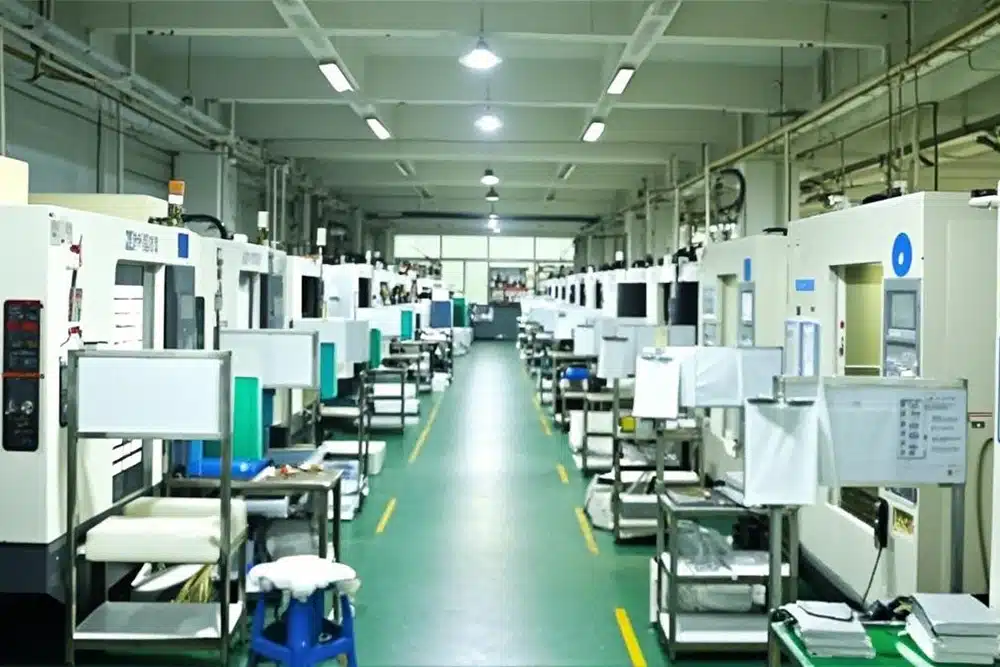
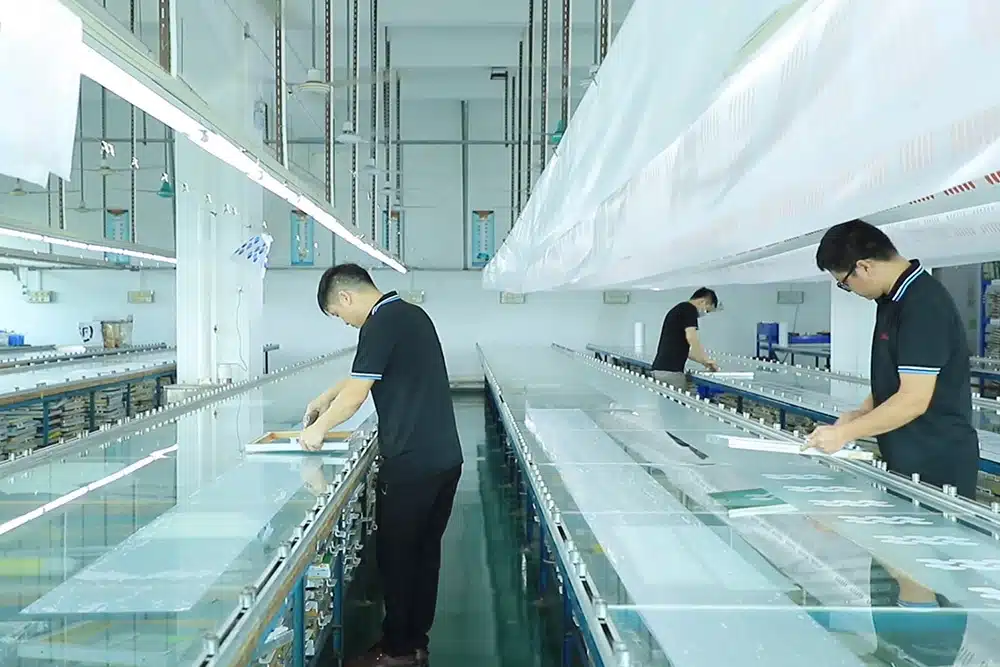
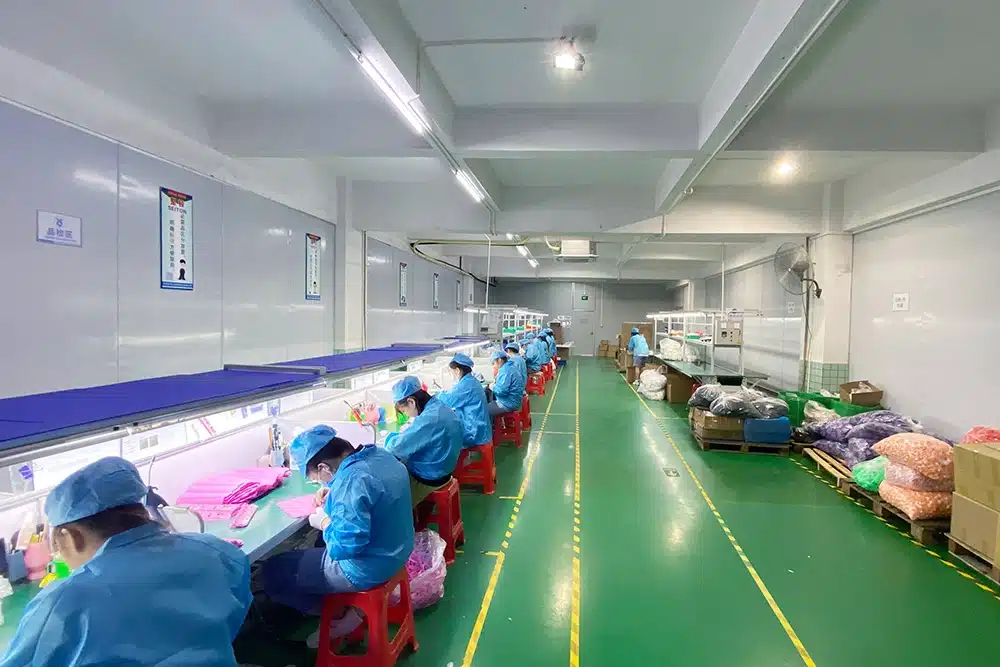
The optimal design involves a steady production performance to bring about consistency in performance in the field. Rigorous quality control throughout the process — from mold precision to batch stability — is what separates reliable automotive seals from those that fail in real-world conditions. Accurate molding, consistency of the curing, and consistency of the size itself and the surface quality are direct impacts on how well the seal will act in real car conditions.
Its prototype validation will not guarantee the quality of mass-production. Of special concern to the consistency of batch-to-batch is OEM supply chain and repeating orders. This is why rigorous quality control for custom silicone products is built into every stage — from incoming material inspection through final validation.
| Manufacturing Factor | Potential Effect on Automotive Seal Performance |
| Mold precision | Influences shape accuracy and fit |
| Dimensional consistency | Affects true compression and sealing contact |
| Cure consistency | Changes elasticity and recovery behavior |
| Surface quality / flash control | Can influence sealing surfaces and assembly fit |
| Batch stability | Supports repeat OEM performance across orders |
Why Production Repeatability Matters for Automotive Projects
Constant control of the processes in compressing material or injecting liquid silicone helps to ensure that all the parts will be the same in terms of functional requirements down the production line.
Common Mistakes in Automotive Silicone Seal Projects
Some of the typical issues arise in the course of making automotive sealing. Early detection helps to save on costly redesigning and field problems.
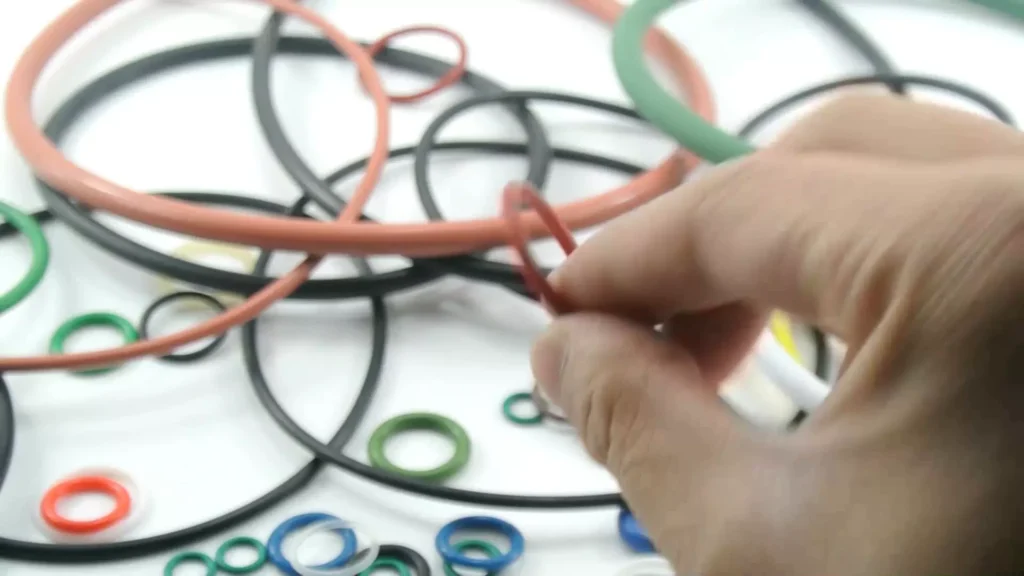
Some of the traps include over conduct in terms of selection of the material to work with on heat resistance but overlook the overall profile of the environment, over-compressing as a safety measure, working to nominal production dimensions without tolerance stack-up analysis and assumption that a design worked out in a prototype would work in a production.
| Common Mistake | Likely Result |
| Heat-only material selection | Poor fit to real application conditions |
| Overcompression | Faster compression loss and reduced service life |
| Weak tolerance review | Inconsistent field performance |
| Ignoring aging and cycling | Premature durability problems |
| No manufacturing consistency review | Batch-to-batch variability in OEM supply |
A Practical Design and Manufacturing Checklist for Automotive Seal Projects
sealing automotive projects are essential. The success of scale-up and risk of redesign reduction are maximised by co-locating the engineering, sourcing teams, tooling teams and production teams. This integrated approach is a core strength of our OEM & ODM silicone manufacturing process.
At any time, the checklist below may be utilized to discuss designs ahead before finalizing tooling or before it may be used:
| Checklist Item | Why It Should Be Confirmed |
| Actual operating temperature range and cycling pattern | Guides material and durability decisions |
| Exposure to water, dust, UV, oil, or fluids | Defines environmental risk |
| Static or semi-dynamic use condition | Changes design priorities |
| Target compression range | Supports long-term seal reliability |
| Groove dimensions and tolerance stack-up | Determines real assembled performance |
| Expected service life | Sets durability target |
| Prototype-to-production consistency | Reduces scale-up problems |
| OEM repeat-order quality requirement | Supports long-term supply reliability |
Conclusion — Automotive Seal Reliability Comes from Balanced Design and Stable Production
The silicone seal projects of the automotive sector are designed on the same engineering decisions and uniform manufacturing execution to complete successfully. Permanent activity is obtained as the result of a correspondence of the material behavior, compression design, environmental stability, dimensioning and repeatability of a production process to the reality which the part of the vehicle will be subjected to during the service. HT Silicone supports automotive clients through complete OEM and ODM silicone manufacturing — from material selection and tooling to validated mass production.
By systematically considering the following factors during design and manufacture, teams can significantly reduce the leakage risk, premature aging and run-to-run variation of production. Partnering with an experienced custom silicone seals manufacturer ensures these best practices are applied consistently from initial design through to mass production. For a deeper dive into best practices, read our guide on how todesign custom silicone seals for reliable long-term performance.