
A silicone gasket and seal design into harsh conditions cannot be simply achieved by selecting a tough material, but instead, requires a comprehensive knowledge of the operating environment, compression characteristics, groove layout, aging potential and batch integrity. This is learned the hard way by many teams who had a seal that had worked very well in the lab and then after a few months in the field starts leaking. As a matter of fact the long-term reliability will be based on the interrelation between the material properties, the geometry, control of deformation, environmental exposure, and the production quality.
The balanced design choices made in material behavior, compression control, environmental exposure, groove geometry and manufacturing repeatability make reliable harsh-environment sealing performance not due to the choice of material.
Why Harsh Environments Change the Rules of Seal Design
The extreme environments shift the very nature of silicone gaskets and seal designs since they increase the rates of degradation effects that are insignificant at standard conditions. Designing effective custom silicone seals for these demanding applications requires careful attention to multiple interrelated factors from the very beginning.
A seal that is reliable in an indoor setting with a regulated climate may readily fail quickly when subjected to extreme temperatures changes, constant exposure to UV radiation, harsh chemicals or repeated pressure swings. The conditions cause mechanical and chemical stress to act on the material making design margins much more vital. This little design compromise in a modest service, frequently becomes the source of untimely failure once the environment becomes a challenge.
The task of engineers who design seals, related to harsh environments, should not deal with the removal of sealing as a system issue but define the material with the label of a high-temperature silicone or weather-resistant as a whole.
This is the way in which adverse environments pose particular design risks:
| Harsh Condition | Why It Creates Design Risk |
| High temperature | Accelerates aging and reduces elasticity retention |
| Low temperature | Reduces flexibility and sealing recovery |
| UV and ozone exposure | Speeds up surface degradation in outdoor use |
| Moisture and water ingress | Raises sealing consistency requirements |
| Chemical contact | Can cause swelling, softening, or material breakdown |
| Pressure fluctuation | Increases demands on compression stability |
Start with the Actual Service Environment, Not a Generic Specification
Conducting an analysis of the actual operating conditions of the harsh environment and not based on the generic datasheet values is the key to achieving successful silicone seals in harsh environments.
It is the temperature range that is important than any one maximum temperature rating. A seal which has to withstand -40 o C nights and 150 o C daytime max-min thermal cycling undergoes thermo-cycling, which may repeatedly cause the material and groove interface to expand and contract as time progresses. The UV exposure, ozone, excavation, and environment cycling rarely take place solitary of each other -they interact to produce overladen effects of degradation.
Oils, cleaning solvents or aggressive chemicals that might be used in the process must be determined early since even slight incompatibility can cause swelling or embrittlement. Intermittent and continuous exposure situations, as well as between static and dynamic applications, need very different approaches. All design assumptions must be determined by the desired service life.
| Environmental Factor | Design Implication |
| Thermal cycling | Requires stable recovery across repeated expansion and contraction |
| UV / ozone exposure | Requires strong weathering resistance |
| Water / humidity | Requires consistent sealing contact and stable compression |
| Oil or chemical contact | Requires compound compatibility validation |
| Continuous loading | Increases importance of compression set resistance |
| Outdoor dirt and dust | Demands stable sealing geometry and durable contact surfaces |
In silicone gasket design applications that require operation in an outdoor environment or high-stress situations, materials and geometry choices ought to be mutually instigated by these factors.
Looking to gain expertise in a specific application-based solution effective with engineers in the understanding that silicone seals can be used in silicone seals for harsh environments can provide additional insight into how real-world requirements translate into manufacturable designs.
Material Choice Matters — But It Must Match the Environment and the Design

High-performance silicone seals have often been selected on the basis of its broad temperature distribution, and the natural ability to flex. However, successful silicone material selection must consider the full range of harsh conditions including chemical compatibility, compression set resistance, and weathering performance.
The choice of compounds of silicone is however different depending on the use in different applications.
The success is not ensured by the heat resistance only. Toughness, compression set performance, elasticity in the presence of old age and certain compatibility with the environment are all equally significant. A specification of poly-silicone that carries no serious analysis that implies the application to the field will result in a poor performance in the field.
The finest material will not work to its best if the seal geometry entails excessive deformation or the groove cannot support long term changes in material behaviour.

| Material Consideration | Why It Matters in Harsh Environments |
| Hardness | Affects fit, sealing force, and recovery |
| Heat resistance | Supports elevated-temperature performance |
| Low-temperature flexibility | Helps maintain contact in cold conditions |
| Compression set resistance | Supports long-term sealing under load |
| Chemical compatibility | Reduces degradation risk in contact media |
| Weathering resistance | Improves outdoor durability |
The choice of silicone seal material thus needs to be informed by the entirety of operating conditions and not the solitary performance assertions.
Compression and Squeeze Become More Critical in Demanding Conditions

Compression design is much more sensitive in harsh environments since little variations are magnified by temperature extremes, pressure variations, and material aging. This makes proven silicone compression molding processes essential for achieving precise, repeatable squeeze and long-term sealing reliability.
Lack of squeeze can lead to leakage with thermal contraction or pressure decline. Over squeeze, however, increases the rate of compression wear, decreases long-term wear and cut service life. Stable consistent contact pressure, as opposed to maximum force, is the intention.
Silicone seal compression design in challenging use scenarios should thus be cautiously calculated in terms of initial and aged performance.
| Compression Issue | Risk in Harsh Environments |
| Insufficient squeeze | Leakage under temperature or pressure variation |
| Excessive squeeze | Faster compression set and reduced recovery |
| Uneven compression | Localized failure risk |
| Poor recovery margin | Reduced sealing reliability over time |
| Overstressed seal geometry | Earlier material fatigue and instability |
Groove Design and Gland Fill Must Allow Stability Under Real Exposure Conditions
Gland fill and groove design is usually a minor concern, but it proves to be a critical consideration in a severe environment where the seal is required to remain active, even under conditions of material expansion, contraction and aging.
Working gland fill percentages which perform well in stable indoors can cause undue internal stress during changes in temperature. The depth of the groove, the width, the corner radius, tolerance stack-up, all affect the behavior of the seal during its service life.
| Groove Design Element | Harsh-Environment Impact |
| Groove depth | Controls actual compression in service |
| Groove width | Allows expansion and deformation stability |
| Gland fill ratio | Influences long-term stress and seal movement |
| Tolerance stack-up | Affects consistency across assemblies |
| Corner transitions | Helps reduce local stress buildup |
Effective groove construction on silicone gaskets can help directly contribute to long-term sealing integrity in demanding applications.
Aging, Recovery, and Long-Term Stability Must Be Considered Early
Soon leak testing does not often tell us of the performance of a silicone gasket in the field after thousands of hours. The elasticity, dimensions, and recovery properties of the material vary with time due to heat aging, UV exposure, ozone and contact with chemicals.
Elastaciency retention can usually be more significant than first softness, particularly at cases of statical sealing when the seal has to be able to sustain the same pressure over years. The design of silicone seals in harsh environments needs to consider therefore, early planning of aged performances data as opposed to use of isolated properties of silicones.
| Long-Term Factor | Why It Matters |
| Heat aging | Can reduce elasticity and increase permanent set |
| UV / ozone aging | Can damage exposed surfaces |
| Compression set growth | Reduces long-term sealing force |
| Chemical aging | Can alter material structure and dimensions |
| Recovery loss | Weakens repeated sealing capability |
Manufacturing Consistency Is Essential for Harsh-Environment Sealing

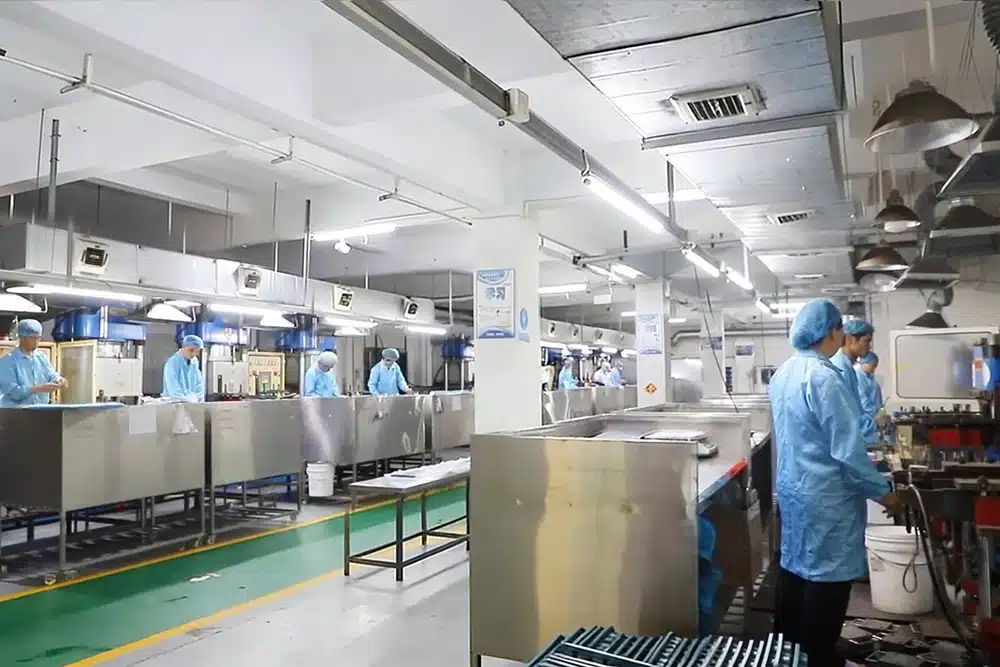
A design of even purported care could be lost in practice should the consistency of the production be wanting. Rigorous quality control in silicone manufacturing — covering dimensional stability, curing consistency, and surface finish — becomes even more critical in harsh-environment applications.Dimensional deviation, discrepancy in curing, surface defects, and batch to batch variability have direct impact on real compression, sealing force and long-term behaviour.
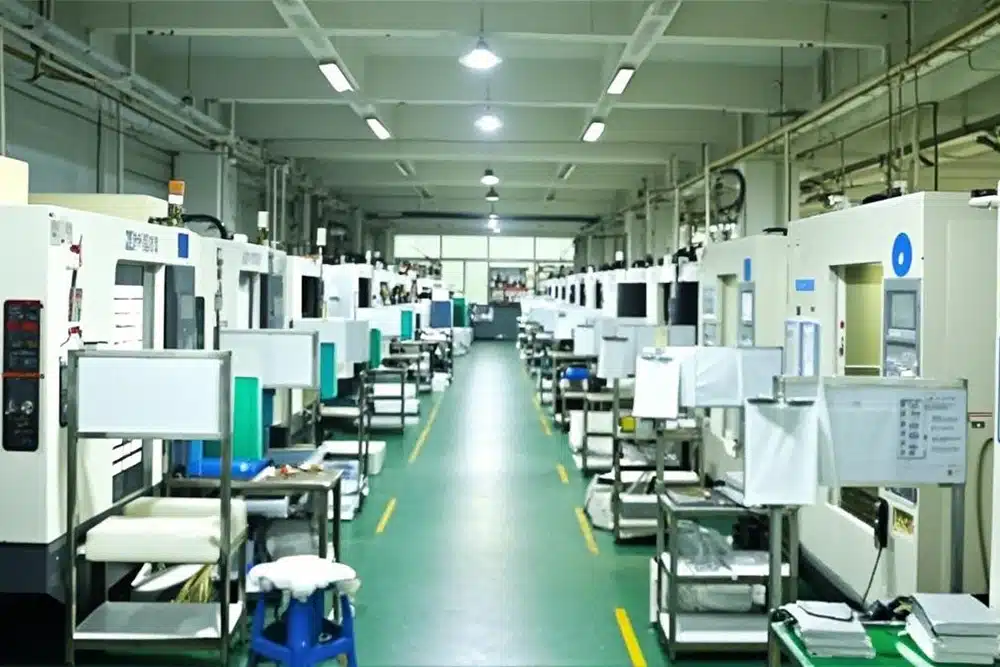
These variations are amplified in harsh applications since there is a smaller operating window. The emphasis on the surface finish, flash control and mold precision is thus more significant than in normal consumer products.
| Manufacturing Factor | Potential Harsh-Environment Consequence |
| Dimensional inconsistency | Uneven sealing under load |
| Cure variation | Different recovery and aging behavior |
| Surface defects | Greater leakage path risk |
| Poor mold precision | Inaccurate fit and unstable performance |
| Batch inconsistency | Unpredictable service life across orders |
Common Mistakes When Designing Silicone Gaskets and Seals for Harsh Environments
A number of recurrent myths persist in creating breakdowns in fields in silicone sealing solutions in harsh environments:
- The use of standard silicone is assumed to provide a solution to harsh environment problems.
- In doing a single test maximum temperature but neglecting combined exposures.
- Using larger compression as perceived safety margin.
- It is made to be a finer point when it comes to groove design.
- Applying the indoor design principles in the outdoor or process equipment applications.
- Ignoring aging and loss of recovery over time.
- Accepting prototypes without certifying repeatability in production.
| Common Mistake | Likely Result |
| Material-first thinking without exposure review | Poor real-world compatibility |
| Overcompression | Faster permanent deformation |
| Weak groove design | Instability during service cycling |
| No aging consideration | Premature field failure |
| No production consistency review | Variable performance across batches |
A Practical Design Review Checklist Before Finalizing the Seal
Applications in harsh environments enjoy more rapid scrutiny in upfront validation to reduce the risk of expensive redesign looms when tooling is cut. Co-ordination among the engineering, sourcing and manufacturing departments on key risk factors at the early stages of the process is a huge payoff. Working with an experienced partner providing comprehensive OEM & ODM silicone manufacturing support helps ensure all these harsh-environment considerations are properly addressed.
Check using the following checklist to make sure of key points:
| Checklist Item | Why It Should Be Confirmed |
| Actual temperature range and cycling profile | Guides material and geometry decisions |
| UV, ozone, water, or weather exposure | Affects compound and design durability |
| Chemical or oil contact | Determines compatibility risk |
| Static or dynamic use condition | Changes design priorities |
| Target compression range | Supports long-term reliability |
| Groove dimensions and tolerance | Determines true in-service behavior |
| Expected service life | Defines design margin requirements |
| Prototype-to-production consistency | Reduces scale-up risk |
Conclusion — Harsh-Environment Sealing Reliability Comes from Balanced Engineering
Effective design of harsh-environment seals does not lie in selecting a material with good headline properties. It arises out of matching the choice of materials, deformation management, pattern of grooves, exposure to the environment, and consistency of production to an extent that behavior is maintained consistently over time.
Simple systematically tackling such crucial design issues of silicone gaskets and seals in such harsh environments will greatly enhance the reliability and eliminate the unpredictable failures of silicone gaskets and seals in harsh environments in a systematically fashioned way, engineers and product team can significantly enhance their reliability and stability in high-demand operations. Strong in-house mold manufacturing capabilities further support the precision geometry and tolerances needed for long-term performance in challenging conditions.