
Correct design choices in material, compression, gland geometry, operating environment and production consistency are some of the factors that promise reliable long term performance in custom silicone seals as opposed to material choice alone.
Silicone seals are considered by many design teams as a mere “rubber component and mainly the choice of a compound. Practically, most frequent reasons to leakage, untimely breakdown or unreliable field performance are linked to discrepancies in the complete sealing system. Initial choices concerning squeeze, groove shape, environmental friendliness and repeatability of production define whether a seal will retain contact pressure and bearability over years or start to leak in just a few months.
The article takes the reader through the actual engineering processes that have been undertaken by accomplished sealing designers and manufacturers in creating tailor-made silicone seals which operate successfully during the actual working conditions.
Why Long-Term Seal Performance Must Be Designed from the Start
The design results in sealing reliability, not a feature which may be checked in post production. When tooling has been cut and parts are molded the basic performance limits are already captured. Working with an experienced partner on custom silicone seals helps ensure these critical early decisions deliver reliable long-term results.
Geometry or compression errors made early on is hardly visible in the first prototype but appears later on when compression sets, swelling or loss of sealing force when parts go to long term service. Rethinking a failed seal once it is already being made will be nearly as costly as adding time at the beginning to get the entire system in line.
The following table is a summary of the main design considerations and their direct effects on performance in the long-term:
| Design Factor | Why It Matters for Long-Term Performance |
| Material selection | Determines chemical, aging and temperature resistance |
| Compression / squeeze | Impacts on the sealing force and deformation with time. |
| Gland / groove design | Fit, expansion and functional stability of control. |
| Operating environment | Influences performance loss, swelling and aging. |
| Manufacturing consistency | Assures repeat behavior and dimensions. |
Engineers mitigate the risk of leaks, increase life cycle, and prevent field failures, which cost a lot, by considering these factors prior to tooling.
Start with the Real Operating Environment, Not Just the Seal Shape
It is impossible to design a silicone seal that will operate properly before understanding what the conditions under which the seal will operate actually are. The optimal geometry design of the seal and compound will always be application-dependent.
The critical operating factors that need to be mapped at the initial stages are:
- Continuous and peak temperature range.
- UV- and ozone exposure.
- Wet or immersion in water.
- Exposure to oils, chemicals or harsh cleaning agents.
- The level of internal pressure or vacuum.
- static does not necessarily mean dynamic sealing (reopening and closing again).
- Outdoor or indoor installations.
- The anticipated service life is in years or cycles.
The conditions directly influence all the decisions to come. For example:
| Operating Condition | Design Impact |
| High temperature | Requires stable heat resistance and lower risk of compression loss |
| Outdoor UV exposure | Requires weather-resistant silicone formulation |
| Chemical contact | Requires compatibility validation before production |
| Repeated opening/closing | Demands resilient geometry and stable recovery |
| Moisture / waterproofing | Requires controlled compression and consistent contact surfaces |
Mapping the real environment initially averts the classic mistake of creating an ideal patch of performing well in laboratory and not in the field.
Material Selection Is Important — But It Is Only One Part of the Solution
Poor geometry and groove design cannot be overcome by the right silicone compound but the right material alone cannot be put forth to rescue it. Proper silicone material selection plays a vital role in chemical compatibility, heat resistance, and long-term elasticity.
Vital roles play hardness, heat resistance, aging behavior, chemical compatibility and elastic recovery. But even silicone of the finest grade will not be able to perform efficiently in case there are over-compression of the seal on the plane, the groove of the seal is not of the right size, or even there are inconsistencies in the dimensions between two consecutive batches.
When engineers start to consider custom silicone seals, they soon learn that these material selections are most effective when they can help the entire system, not when trying to correct the shortcomings of the design downstream.
The table below presents the key material considerations and their implications to long-term sealing:
| Material Consideration | Design Relevance |
| Hardness | Influences sealing force, deformation, and assembly fit |
| Heat resistance | Supports performance under elevated temperature |
| Aging resistance | Affects long-term reliability in service |
| Chemical compatibility | Helps prevent swelling, softening, or degradation |
| Elastic recovery | Supports repeated sealing performance over time |
Material decisions should always align with the planned assembly method and the expected long-term loading conditions.
Compression, Squeeze, and Seal Geometry Determine Functional Reliability
A high quality silicone compound will not perform well even when compression and geometry are not designed well. This is why experienced manufacturers rely on proven silicone compression molding processes to achieve precise squeeze and stable long-term performance.Even the strongest seal design may not work properly when the process of production is not homogeneous. Consistent quality control in silicone manufacturing — including dimensional repeatability, curing consistency, and surface finish — is essential for reliable field performance.
The compression of the seal cross-section in the gland is called the squeeze percentage. Less leads to a lack of sealing force; excess leads to faster compression set and reduced service life. Controlled consistent deformation that does not over-stress the material is the aim.
The shape (seal cross-section), the corner radii, and the mating surface finish also are important. An effective seal has even contact pressure and can easily take in thermal expansions without leaving behind any leakage avenues.

| Design Parameter | Risk If Too Low | Risk If Too High |
| Compression / squeeze | Inadequate sealing force | Permanent deformation / shorter service life |
| Seal cross-section | Unstable contact | Overpacked design / poor fit |
| Groove tolerance | Loose positioning | Assembly difficulty |
| Contact pressure | Leakage risk | Accelerated wear and compression loss |
Design experience indicates that 20 -30 percent squeeze is a typical starting point with most static silicone seals, although of course, the actual target must be checked against actual material, temperature and cycle requirements.
Gland Fill and Groove Design Should Support Stability, Not Just Fit
Design of grooves has to be an active element of seal performance, not merely a container of dimensions into which the seal fits.
Silicone behavior under compression and temperature variations is reflected by the groove depth and width. Excessive internal pressure and distortion: Overfilled glands cause excessive internal pressure and distortion, and the seal can become displaced. Underfilled glands: Underfilled glands permit the seal to lose contact. There is also the tolerance stack-up that needs to be looked into between the seal, groove and mating parts so as to have the same level of performance in volumes of production.
| Groove Design Element | Long-Term Performance Impact |
| Groove depth | Affects compression control |
| Groove width | Affects seal expansion and fit |
| Gland fill ratio | Influences deformation and stability |
| Tolerance stack-up | Affects sealing consistency in production |
| Corner and transition design | Helps reduce local stress concentration |
One of the best methods to enhance the reliability of sealing and minimize variation in assembling is to design the seal and the groove as a matched system.
Manufacturing Consistency Has a Direct Effect on Seal Performance
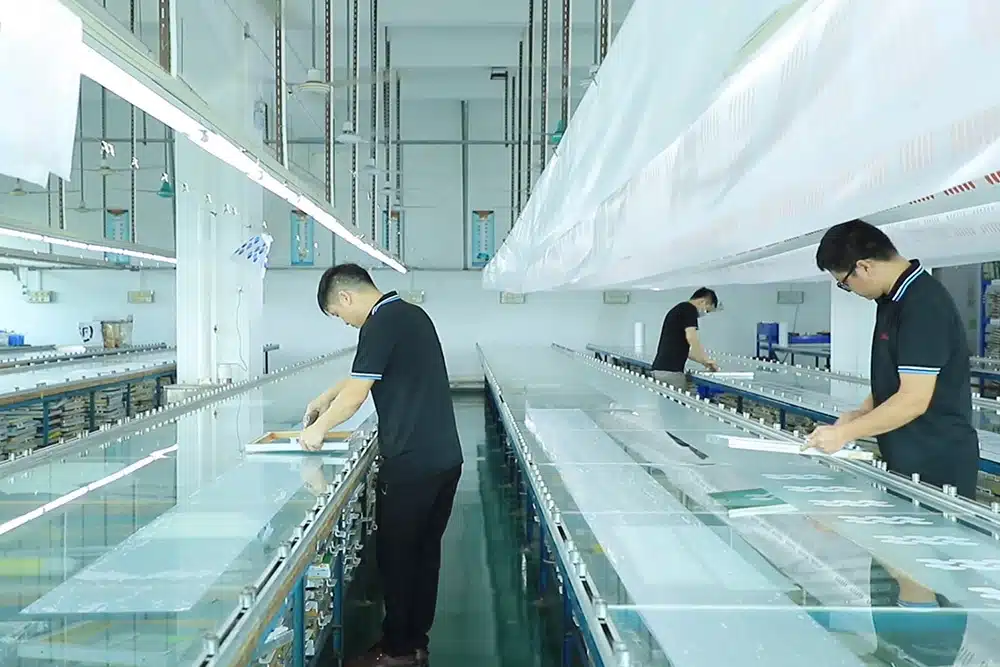
Even the strongest seal design may not work properly when the process of production is not homogeneous.
Dimensional repeatability, flash control, parting-line quality and surface finish directly influence the action in seating the seal in the gland and load distribution. Elasticity and long-term durability are also determined by material batching, curing consistency, and the condition of the molds. Even a prototype that successfully passes all tests can result in failures in the field, should parts in production fall outside of the design tolerances.

| Manufacturing Factor | Potential Long-Term Effect |
| Dimensional variation | Uneven compression and sealing inconsistency |
| Inconsistent curing | Variation in elasticity and durability |
| Surface defects | Leakage path risk |
| Poor mold accuracy | Unstable part shape and fit |
| Batch inconsistency | Performance variation across orders |
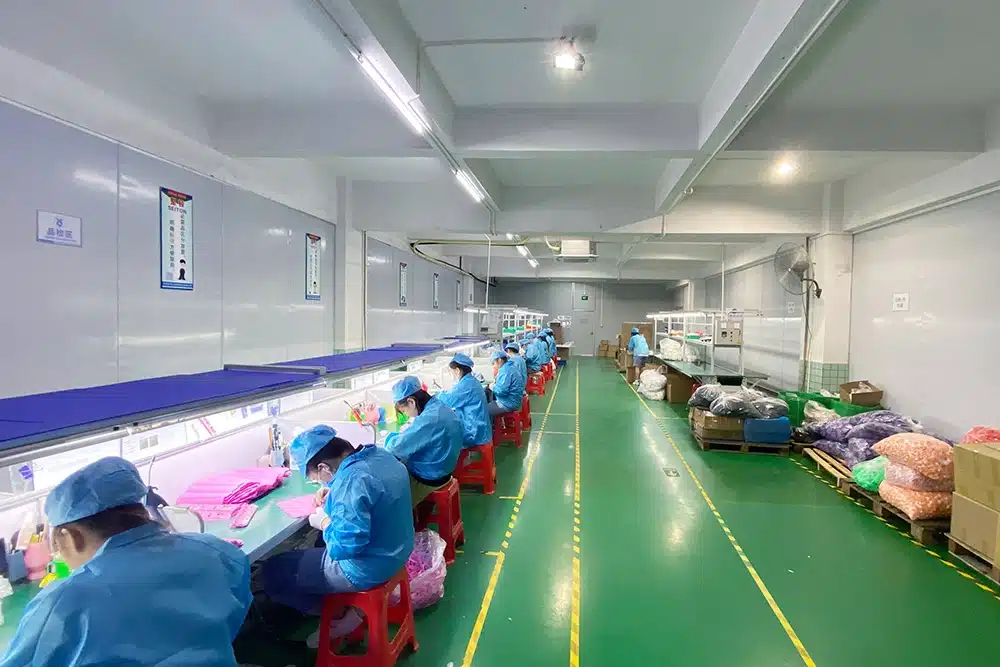
The suppliers that have well-defined process controls and internal tooling will always provide more consistent sealing outcomes as time goes.
Common Design Mistakes That Shorten Seal Life
The majority of premature seal issues can be attributed to foreseeable design flaws and not fabrication flaws.
Frequent mistakes include:
- Addressing the design on a case-by-case basis without a comprehensive review of operating condition.
- Selecting material based on softness or temperature rating only.
- Aggressive compression in the interest of safety.
- Not factoring in groove and gland fill calculations.
- Ignoring actual assembly facts (tolerance stack)
- The quality of the prototype assumed will ensure long term production performance.
- Inability to validate the effects of environmental aging.
- Considering the seal as a separate entity rather than a component of a larger sealing system.
| Common Mistake | Likely Consequence |
| Material-first thinking without system review | Mismatch between compound and application |
| Excessive compression | Faster compression set and shorter service life |
| Poor groove design | Distortion and unstable sealing |
| Ignoring manufacturing tolerance | Inconsistent field performance |
| No environment validation | Premature degradation in real use |

Being aware of these pitfalls at an early stage will ensure that the teams are not affected by the most prevalent reasons that can lead to the failure of the field.
A Practical Design Checklist Before Finalizing a Custom Silicone Seal
A brief, rigorous checklist radically cuts down on the expensive in-curred revisions and enhances the quality of design in the initial round.
Checklist before releasing drawings to tooling:
| Checklist Item | Why It Should Be Confirmed |
| Actual operating temperature range | Material and geometry depend on it |
| Exposure to water, UV, oil, or chemicals | Affects compound selection |
| Static or dynamic sealing condition | Changes design priorities |
| Target compression range | Determines long-term reliability |
| Groove dimensions and tolerance | Controls real-world fit and performance |
| Expected service life | Guides durability decisions |
| Assembly method | Influences geometry and manufacturability |
| Prototype and production alignment | Reduces scale-up risk |

Looking through every article with the manufacturer prior to cutting steel aids in aligning expectations and identifying possible problems when making the changes are cheap. Partnering with a full-service provider offering OEM & ODM silicone manufacturing support helps teams get these details right from the very beginning.
Conclusion — Long-Term Seal Performance Comes from Balanced Design Decisions
A successful design of custom silicone seals does not involve the optimization of a single variable. It deals with balancing the complete sealing system to ensure that the part functions under actual operating conditions in the long term.
The combination of material properties, compression behavior, gland geometry, environmental conditions, manufacturing consistency yields the reliability of sealing that can endure the desired service life. The most effective projects consider the silicone seal as a designed part of a bigger structure and not as a part of a commodity.
The systematic approach taken by product teams at the initial design phases minimizes the risk of leakage, decreases the overall cost of the project to a level that will be accepted by the customers, and can provide the equipment that will last several years. In-house mold manufacturing capabilities further ensure that geometry, tolerances, and production consistency align perfectly with your long-term performance requirements.