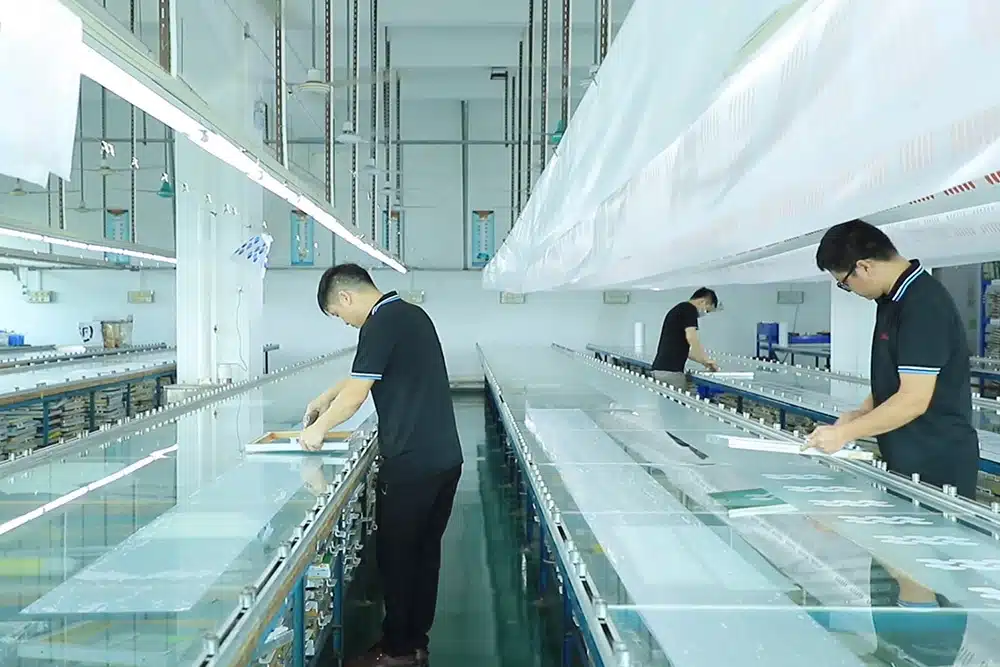

The oil finishing, matte or textured molding, polishing, and special surface treatments are all silicone surface finishing options. These processes influence not only looks but also the feel, the longevity of the logo, any stam resistance, cleanliness of the surface, consistency in color, and quality of the product as perceived. The preferred finishing process will be based on silicone material, application of product, surface geometry, color, hardness, compliance requirements and anticipated longevity.
Most consumers consider silicone surface finishing as a last ornamental stage. As a matter of fact, the success of finishing relies much on the material formulation, surface condition, mold texture, curing quality, and compatibility of process. The material, functionality, branding requirements of a product and actual environment of use must be matched with a well-selected silicone surface finish that will remain stable in repetitive production.
Silicone surface finishing is not merely a cosmetic choice – it directly influences the quality of the products, user experience, brand consistency, and manufacturing consistency. To learn more about the broader role of finishing, read our guide on why surface finishing matters in custom silicone parts.
Why Silicone Surface Finishing Matters for Product Quality
Surface finishing is important, as it is among the first things people see, touch and evaluate, but also impacts practical durability and manufacturing consistency.
The surface of a product creates an immediate impression of the product in the user. Premium touch feel has the potential to increase consumer product, wearable, kitchenware, pet supplies, and personal care items perceived value. The life cycle of logos has a direct correlation with the long term brand presentation. Poor finishing can result in peeling, fading, stickiness, uneven gloss, weak adhesion or customer complaints that can destroy trust and increase turnover.
The quality of surface finishing also brings some other factors of deeper manufacturing: the state of the mold, the compatibility of the materials used, and the control of the process. When these are in harmony, the finish will add beauty and utility to the item. When they fail to, issues emerge in production or worse, once products are supplied to customers.
| Surface Quality Factor | Impact on Product |
| Logo adhesion | Determines whether branding remains readable after use |
| Touch feel | Affects user comfort and perceived quality |
| Gloss level | Influences visual positioning and style |
| Color consistency | Supports brand consistency across batches |
| Surface cleanliness | Affects hygiene, dust attraction, and appearance |
| Wear resistance | Determines finish durability during real use |
Common Silicone Surface Finishing Options
Various silicone surface finishing options are used in different applications, so the appropriate method must be chosen based on product functionality, appearance, durability, and production.
Some of the most common finishing methods used by manufacturers to custom silicone products include: Each presents its own advantages and shortcomings that have to be considered at the initial stage of the development process. Our comprehensive silicone surface finishing services cover silk screen printing, spray coating, oil finishing, laser engraving, mold texture and more.
| Finishing Option | Main Purpose | Typical Use Case |
| Silk screen printing | Logos, icons, simple graphics | Buttons, sleeves, consumer silicone products |
| Spray coating | Color effect, surface protection, touch feel | Wearables, electronics accessories, branded products |
| Oil finishing / oil finish | Smooth feel, anti-dust effect | Soft-touch silicone products |
| Laser engraving | Permanent marks or precise graphics | Buttons, industrial parts, branded details |
| Mold texture | Matte, anti-slip, or decorative surface | Handles, mats, pet products, kitchenware |
| Polished mold finish | Smooth or glossy appearance | Premium consumer silicone products |
| Embossing / debossing | Structural logo without printing | Durable branding and tactile details |

Silk Screen Printing on Silicone
Silk screen printing can be applied to the clear logos and simple graphics, but its reliability is also dependent on the conditions of preparation of the surface, compatibility of the ink, curing and conditions of use of products.
The technique is effective with logos, icons, text and simple pattern on custom silicone products. It needs appropriate surface treatment and silicone compatible inks. Adhesion may be affected by dust or oil residue or surface texture or non-complete drying of the underlying silicone. Printing works best on comparatively flat or weakly curved surfaces and should always be tried in practical use on rubbing, stretching, washing or cleaning surfaces.
Prior to verifying a printed logo, coating, or textured surface, selection of appropriate silicone material to finish surfaces can be utilized by product teams in evaluating adhesion and hardness, surface energy, pigment compatibility, and long-term finish stability.
| Printing Factor | Why It Matters |
| Surface cleanliness | Prevents weak adhesion or defects |
| Ink compatibility | Supports logo durability |
| Surface geometry | Affects print clarity and alignment |
| Product flexibility | Stretching may crack or weaken the printed layer |
| Use environment | Cleaning, friction, and moisture affect print life |

Spray Coating and Oil Finishing
Silicone can be enhanced by spray coating or oil finishing, which are necessary because they can prevent an uneven gloss, tackiness, peeling, or dust attraction.
Spray coating provides color effects, protective finishes, matte finish, or soft-touch finishing that significantly improves hand feel. The act of oil finishing may provide a much smoother feel, and the natural sticky or dusty feel of some silicones may be averted. The success is based on the thickness of the coating, proper curing, extensive surface preparation and clean production environment. Ineffective control may lead to color variation, orange-peel texture, peeling or contamination.
Products that come in contact with the skin, food contact or baby products require additional scrutiny of the material and coating compatibility.
| Finish Type | Benefit | Risk If Poorly Controlled |
| Matte spray coating | Refined appearance, lower glare | Uneven gloss or visible defects |
| Soft-touch coating | Improved hand feel | Wear or peeling if adhesion is weak |
| Color spray coating | Enhanced visual effect | Color inconsistency across batches |
| Oil finish | Smoother feel, less tackiness | Dust attraction or unstable surface feel |
| Protective coating | Better surface durability | Added compliance or adhesion considerations |
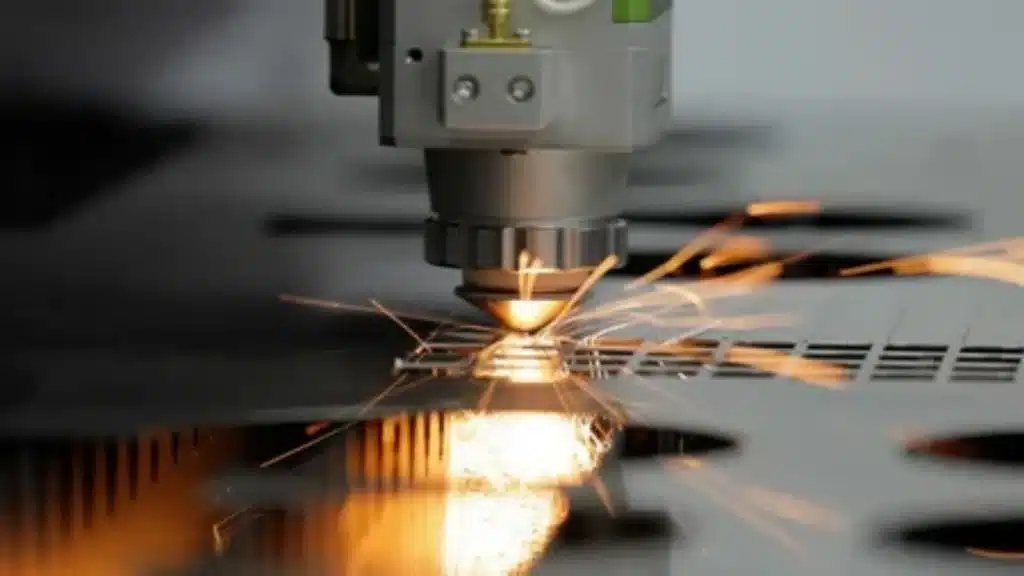
Laser Engraving and Molded Logos
Laser engraving and molded logos can be much more durable than surface printing, but also require careful design, planning of logos color, and control of tools.
Laser engraving is a technique of producing accurate, permanent marks by controlled change of the surface. It is also good in long lasting icons, serial numbers or logos in which printed graphics may be lost. Color contrast is paramount–some silicone colors give better engraving results than others.
Embossed or debossed logos are created in direct form in the tooling. They offer permanent tactile branding without ink and can look less colorful than other options. The two methods are also more effective in terms of long term durability when they are considered at the product design phase and not as an afterthought.
| Branding Method | Advantage | Limitation |
| Laser engraving | Durable, precise, no ink layer | Depends on color contrast and material response |
| Embossed logo | Long-lasting tactile branding | Requires tooling design |
| Debossed logo | Clean, subtle, durable | May collect dust if too deep |
| Printed logo | Flexible color and graphic options | May wear if adhesion or use conditions are poor |
Matte, Glossy, and Textured Silicone Surfaces
Surface texture must be regarded as a design and a working decision since it influences grip and ease of cleaning as well as dust attaching and perceived quality.
Matte surfaces can be felt as high-quality and can be used to conceal fingerprints or glare. Glossy surfaces appear clean and bright yet they bring out the scratches and dust. Textured surfaces enhance grip, anti-slip properties, which are particularly beneficial to handles, mats, pet products, kitchen tools and custom silicone sleeves. The depth of texture should be premeditated when mold is being designed since it affects the mold release, cleaning characteristics and the ultimate appearance.
| Surface Texture | Benefit | Typical Application |
| Matte surface | Premium feel, reduced glare | Wearables, electronics accessories |
| Glossy surface | Clean and bright appearance | Consumer products, decorative parts |
| Fine texture | Better grip and softer visual effect | Handles, sleeves, pet products |
| Anti-slip texture | Functional grip | Mats, grips, kitchen tools |
| Deep texture | Strong visual or tactile effect | Decorative or functional surfaces |
How Surface Finishing Affects Durability and Real Use
What appears to be a good finish in a sample may not be a trusted finish unless it is a good finish in the real-use condition. Our quality control for surface finishing includes rigorous adhesion, wear, and consistency testing to ensure long-term performance.
The finish is put to the test by repeated bending, washing, cleaning agents, heat, UV exposure, sweat, oils, and mechanical stress. Flexible products require coats or prints that are flexible. Kitchenware and baby products require high levels of cleanability and safety. Products that are used with pets must have the capacity to resist chewing and scratching. Electronics accessories should be resistant to hand oils and day to day usage.
| Real-Use Condition | Finishing Risk |
| Repeated bending | Printed or coated layer may crack |
| Cleaning agents | Coating or logo may fade or weaken |
| Heat exposure | Surface finish may discolor or age |
| Sweat and skin oils | Soft-touch coating may wear over time |
| Pet chewing or scratching | Printed graphics may not be suitable |
| Outdoor UV exposure | Color and coating stability may decline |
Surface Finishing and Compliance Considerations
Surface finishing should be reconsidered in case of silicone products that are used to come into contact with food, as well as with baby products, skin contact, or regulated applications.
Compliance can be affected by base silicone, pigments, coatings, inks, and additives. Food-contact products need to be verified to ensure that all layers are correct. The baby products require consideration in terms of durability, safety, and cleanability. Proven advantages of skin-contact items are low-odor, durable finishes. The final completed product, and not just the raw material must be reflected in documentation.
Common Silicone Surface Finishing Problems and Causes
The majority of silicone finishing issues are associated with incompatibility of the material, the surface condition, finishing process, and the practical use.
| Finishing Problem | Possible Cause |
| Poor print adhesion | Surface contamination, wrong ink, insufficient treatment |
| Coating peel | Weak bonding or improper curing |
| Sticky surface feel | Incomplete curing or coating instability |
| Dust attraction | Surface tackiness or unsuitable finish |
| Unclear laser mark | Low contrast or unsuitable material response |
| Batch color variation | Pigment, coating thickness, or process control issues |
| Uneven gloss | Spray control or surface preparation problem |
How to Choose the Right Silicone Surface Finish
The right silicone surface finish must be selected by balancing between product functionality, appearance, durability, compliance, and repeatability of production.
Checklist to use when the design and materials are being initially selected:
| Question to Ask | Why It Matters |
| Does the product need a logo or graphic? | Determines printing, laser, or molded branding choice |
| Will the surface be stretched or bent? | Affects coating and print durability |
| Will the product contact food, skin, or babies? | Requires compliance and safety review |
| Is the product exposed to heat, water, sweat, or cleaning agents? | Influences finish durability testing |
| Is a soft-touch or anti-dust feel required? | Guides coating or oil finishing decision |
| Does the surface need grip or anti-slip performance? | May require mold texture |
| Is the color brand-critical? | Requires pigment and batch control |
| Will the finish be repeatable in mass production? | Prevents batch inconsistency |
Conclusion — Surface Finishing Should Start With Material Compatibility
Silicone surface finishing influences appearance, touch feel, durability, brand consistency, cleanability and real-use performance. The success of it is determined by the compatibility of the materials, surface condition, the design of the mold, curing, and process control. Each of the printing, coating, laser engraving and texture has its appropriate usages and constraints. Explore our full range of surface finishing options and work with our team to select the best solution for your project.
When paired with the correct material, surface characteristics, molding procedure and actual application environment, silicone surface finishing can enhance the quality of custom silicone parts. Decoration alone does not produce a lasting and steady finish but early planning, practical testing, and controlled manufacturing execution are all part of it.